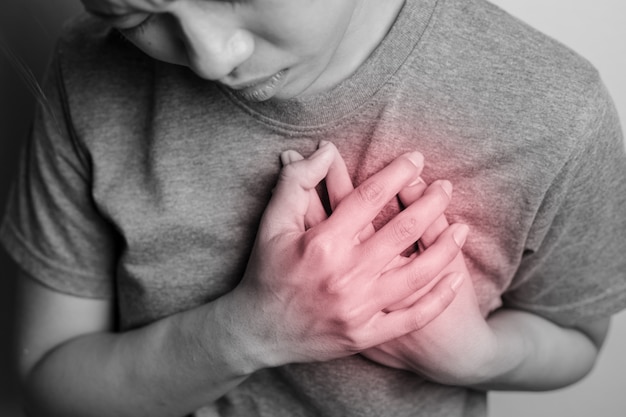
6 Foods That Stiffen Arteries (Avoid These to Protect Your Heart)
6 Foods That Stiffen Arteries (& Why You Should Avoid Them)
Table of Contents
Your arteries are designed to be flexible, elastic blood vessels.
They expand and contract every time your heart beats. This flexibility helps oxygen-rich blood travel smoothly from your heart to every part of your body.
But over time, certain lifestyle habits—especially an unhealthy diet—can damage the walls of your arteries.
When that happens, arteries slowly lose their flexibility.
When arteries become stiff and less able to expand, this condition is called arterial stiffness. Arterial stiffness is not just a small change inside your blood vessels.
It is an important warning sign for serious health problems like heart disease, stroke, and other forms of cardiovascular disease.
In fact, global health research shows that cardiovascular disease is the leading cause of death worldwide.
Poor diet is one of the biggest reasons for this.
What makes this more concerning is that many of the foods that stiffen arteries are foods people eat every day without realizing the damage they cause.
In this guide, you’ll learn:
- How arteries become stiff
- 6 foods that damage arteries
- The exact reasons these foods harm blood vessels
- Warning signs that your arteries may be unhealthy
- Medical tests that are used to detect arterial stiffness
- Healthier food choices that protect your arteries
Let’s start by understanding what arterial stiffness really means.
What Is Arterial Stiffness?
Arterial stiffness happens when blood vessels lose their natural flexibility and become harder.
Healthy arteries contain large amounts of a protein called elastin.
Elastin allows arteries to stretch easily when blood flows through them.
This stretching ability helps control blood pressure and keeps blood moving smoothly throughout the body.
When arteries become stiff, several things happen inside the body:
- the heart must pump harder to push blood through the arteries
- blood pressure (especially systolic pressure) rises
- blood circulation becomes less efficient
- organs may receive less oxygen than they need
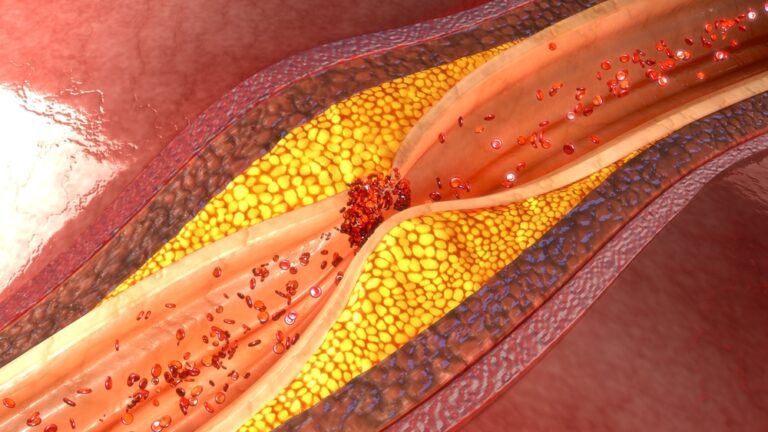
Over time, arterial stiffness can speed up the development of atherosclerosis, a condition where fatty plaques build up inside artery walls and narrow the blood vessels.
Healthy arteries also rely on a thin inner lining called the endothelium.
This lining releases a chemical called nitric oxide. Nitric oxide helps arteries relax and widen so blood can flow easily.
When the endothelium becomes damaged, arteries lose their ability to relax properly. This makes it easier for plaque to build up.
How Arteries Become Stiff (Step-by-Step)
Arterial stiffness usually doesn’t happen overnight. It develops slowly over many years. Here is how the process typically happens.
Step 1: Damage to the artery lining
Unhealthy foods, smoking, high blood sugar, and high cholesterol can damage the inner lining of arteries.
This damage reduces nitric oxide (NO) production and makes blood vessels less flexible.
Step 2: Inflammation begins
Once the artery lining is damaged, the body sends immune cells to the area. This creates chronic inflammation inside the artery wall.
Step 3: Cholesterol damage
LDL cholesterol can become oxidized. This damaged cholesterol begins sticking to the artery walls.
Step 4: Plaque buildup
Fat, cholesterol, calcium, and other substances begin forming plaque inside the arteries. This plaque slowly narrows the blood vessels.
Step 5: Calcium deposits form
As plaque ages, calcium deposits form inside it. These calcium deposits make the arteries harder and more rigid.
Step 6: Arteries lose elasticity
Over time, elastin fibers break down and are replaced with stiffer collagen fibers.
This is how arteries gradually lose their flexibility and become stiff.
And one of the biggest triggers for this process is poor diet.
Why Diet Plays a Major Role in Artery Health
The foods you eat every day have a powerful effect on your blood vessels.
Some foods protect arteries, while others slowly damage them. Unhealthy foods can trigger several harmful processes in the body.
Chronic inflammation
Inflammation damages the walls of blood vessels and makes plaque buildup more likely.
Oxidative stress
Certain foods increase the production of harmful molecules that damage artery cells.
Sugar damage (glycation)
High blood sugar can attach to proteins inside the artery wall. This process stiffens artery tissue.
High blood pressure
Too much sodium raises blood pressure and puts extra stress on artery walls.
Unhealthy diets also increase the risk of hypertension and type 2 diabetes, two major causes of artery damage.
Now let’s look at the foods that contribute the most to arterial stiffness.
6 Foods That Stiffen Arteries (& Why You Shouldn’t Eat Them)
1. Processed Meats
Examples include:
- Bacon
- Sausage
- Hot dogs
Processed meats are meats that have been salted, smoked, cured, or preserved with chemicals.
Why processed meats damage arteries
High sodium content: Many processed meats contain 700–1000 mg of sodium in a single serving. Too much sodium causes the body to hold onto extra water. This increases blood pressure and puts stress on artery walls.
Nitrates and nitrites: These preservatives can create harmful compounds that increase oxidative stress and damage blood vessels.
High saturated fat: Processed meats also contain high saturated fats. This can raise LDL cholesterol and increase plaque buildup in arteries.
2. Sugary Foods and Sweetened Drinks
Examples include:
- Soda
- Candy
- Doughnuts
Sugary foods are a major cause of metabolic problems and artery damage.
Why sugar stiffens arteries
Sugar damages artery proteins: When blood sugar stays high, sugar molecules attach to proteins like collagen in artery walls. This forms harmful compounds called advanced glycation end products (AGEs). These compounds make artery walls stiff.
Reduced nitric oxide: High blood sugar damages the endothelial lining and reduces nitric oxide production. Without nitric oxide, arteries cannot relax properly.
Increased inflammation: Sugar also increases inflammation inside blood vessels. Drinking sugary drinks regularly greatly increases the risk of type 2 diabetes, which accelerates artery damage.
3. Deep-Fried Foods
Examples include:
- French fries
- Fried chicken
Frying foods at high temperatures changes the structure of cooking oils.
Why fried foods damage arteries
Oxidized fats: High heat can damage fats in cooking oils, producing harmful compounds that damage blood vessels.
Trans fats: Repeatedly heating cooking oil can create trans fats, which are extremely harmful to arteries.
Damage to artery lining: These damaged fats reduce nitric oxide (NO) and harm the inner lining of arteries.
4. Refined Carbohydrates
Examples include:
- White bread
- White rice
- Pasta
Refined carbs are grains that have had their fiber and nutrients removed during processing.
Why refined carbs harm arteries
Rapid blood sugar spikes: Refined carbs digest quickly and cause sudden spikes in blood sugar. Frequent spikes can lead to insulin resistance.
Protein damage: High blood sugar promotes the formation of compounds that stiffen artery tissue.
Inflammation: Repeated sugar spikes increase inflammation and damage blood vessels.
5. High-Salt Processed Foods
Examples include:
- Instant noodles
- Canned soups
- Packaged chips
Why excess salt stiffens arteries
High levels of sodium increases fluid retention in the body. This increases blood volume and raises blood pressure.
After a long period of time, high blood pressure causes structural changes in artery walls. The muscle layer becomes thicker and less flexible.
This makes arteries stiff.
6. Foods Containing Trans Fats
Examples include:
- Packaged pastries
- Commercial baked goods
- Margarine
Why trans fats damage arteries
Trans fats cause several harmful changes in the body:
- Increase LDL (bad) cholesterol
- Decrease HDL (good) cholesterol
- Increase inflammation
- Reduce nitric oxide production
All of these effects make plaque buildup more likely and stiffen arteries.
Healthier Alternatives to These Foods
Making better food choices can help protect your arteries. Here are some simple swaps:
- Instead of
- Processed meats eat grilled fish or beans
- Soda drink sparkling water
- Fried foods choose baked or air-fried foods
- Refined grains eat whole grains
- Salty snacks eat walnuts
These foods help reduce inflammation and support healthy circulation.
A Simple 1-Day Artery-Friendly Meal Plan
- Breakfast: Oatmeal topped with berries and nuts
- Lunch: Grilled salmon salad with olive oil
- Snack: Apple with almonds
- Dinner: Roasted vegetables, quinoa, and grilled chicken.
This type of diet provides antioxidants, fiber, and healthy fats that help protect blood vessels.
Takeaway
Arteries keeps your body healthy by carrying oxygen-rich blood to your brain, heart, and organs.
But many everyday foods like processed meats, sugary drinks, fried foods, refined carbohydrates, salty snacks, and trans fats—can slowly damage your blood vessels.
These foods increase inflammation, raise blood pressure, damage artery walls, and encourage plaque buildup.
The good news is that small changes in your diet can make a big difference.
By replacing unhealthy foods with nutritious alternatives, you can protect your arteries and lower your risk of heart attack and stroke.
Start making better choices today.
Your arteries—and your heart—will thank you for it.