10 Natural Foods to Clean Arteries & Reduce Plaque
10 Best Natural Foods to Clean Arteries & Reduce Plaque (Research-Backed)
Table of Contents
Cleaning your arteries isn’t about magic foods — it’s about choosing nutrients that directly lower LDL cholesterol, reduce inflammation, improve blood vessel function, stabilize existing plaque, and prevent new plaque from forming.
My mom, Mary, is a powerful example of what can happen when you use food strategically.
How My Mom Used Food to Clean Her Arteries
For most of her life, my mom Mary felt unstoppable. She worked long hours, managed everything in the house, and kept pushing herself with almost no rest. But her eating habits didn’t support her health.
Her meals were quick fixes — white bread, pastries, noodles, anything buttery.
Her labs were climbing:
- Total cholesterol: 245 mg/dL (high)
- LDL (“bad” cholesterol): 175 mg/dL (dangerously high)
- Blood sugar: borderline prediabetic
She brushed it off. “I’ll fix it later.”
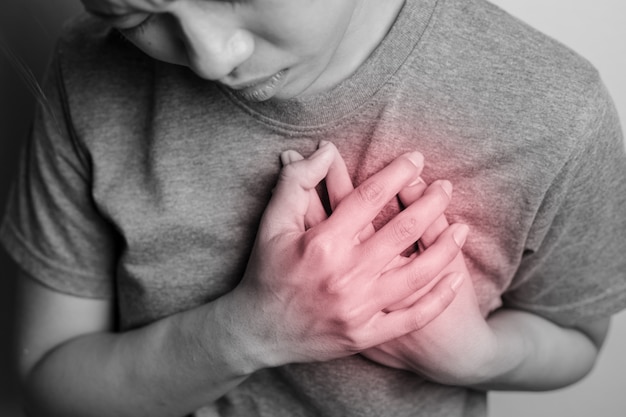
But one afternoon, she felt a squeezing, heavy tightness across her chest — not stabbing pain, but a concerning pressure, especially after rushing around.
That moment changed everything.
At the hospital, the tests showed:
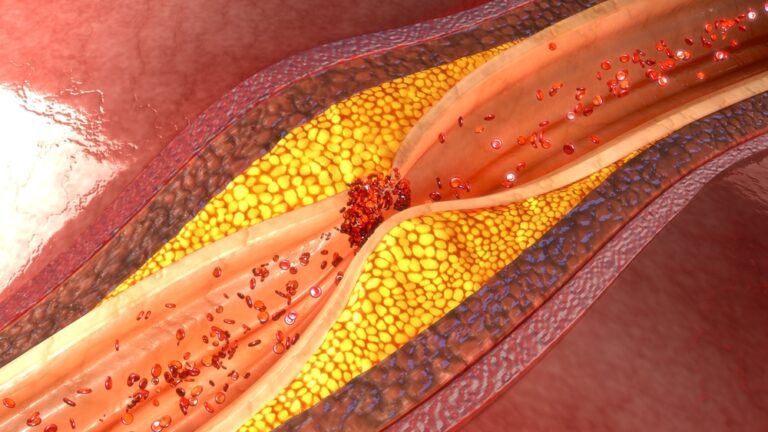
- Significant arterial plaque buildup
- High risk for a heart attack
- Inflammation levels elevated
Her doctor told her directly: “You must make serious changes.”
My mom turned to me and said,
“Can food really help clean the arteries?”
I told her yes — and I meant it.
So we turned her diet into a structured heart-repair plan:
What She Changed (Very Specifically):
- Breakfast: She replaced sugary cereals with ½–1 cup of oatmeal, topped with 1 cup blueberries and 1–2 tablespoons ground flaxseed. This combination aggressively lowers LDL and stabilizes blood sugar.
- Lunch: We built meals around 2 cups of kale or spinach plus ¼ avocado for healthy fats. Twice weekly, she replaced animal protein with 1 cup lentils or black beans.
- Dinner: Salmon twice weekly, sautéed tomatoes, and veggies drizzled with 1 tablespoon extra virgin olive oil.
Her favorite treat? Fresh peaches.
She didn’t give them up. She simply paired them with protein and fiber to keep her blood sugar steady.
The Result After Six Months:
- LDL dropped from 175 to 125 mg/dL
- Fasting glucose stayed below 100 mg/dL
- Her chest pressure disappeared
- She had more energy
- Her doctor literally paused and said: “Mary, you just gave yourself a second life.”
Every food we used had a purpose — and below is the exact science behind each.
Top 10 Natural Foods to Clean Arteries Naturally
1. Oats — Soluble Fiber That Physically Removes Cholesterol From the Bloodstream
Oats contains β-glucan, a soluble viscous fiber. Beta-glucan forms a gel in the gut that binds bile acids/cholesterol, reducing reabsorption of cholesterol, and thereby lowers LDL cholesterol.
A meta-analysis of 28 RCTs found that ≥3 g/day of oat β-glucan reduces LDL by ~0.25 mmol/L and total cholesterol by ~0.30 mmol/L.
Another systematic review and meta-analysis (58 trials) found that the median dose (~3.5 g/day) significantly lowers LDL, non–HDL cholesterol, and ApoB (a marker of atherogenic lipoproteins) compared to controls.
In a more focused trial, consuming 6 g/day of concentrated oat β-glucan for 6 weeks reduced LDL in adults with high cholesterol, and produced short-chain fatty acids like butyrate in the gut that may have additional vascular benefits.
How to incorporate:
- Try to consume at least 3 grams of β-glucan per day, which is roughly equivalent to:
- ½ to 1 cup of cooked rolled or steel-cut oats, depending on the brand.
- Oat bran designed to deliver β-glucan.
- Integrate oats at breakfast, or even in baked goods (muffins, pancakes).
Recipe ideas:
- Classic Overnight Oats: ½ cup rolled oats soaked overnight in milk (or yogurt), plus berries, a spoon of nut butter, and chopped walnuts.
- Savory Oats: Cook oats with low-sodium vegetable broth, stir in sautéed kale, tomatoes, and a drizzle of olive oil.
- Oat Pancakes: Blend oats + banana + egg + a pinch of salt and cook small pancakes; top with avocado.
2. Extra Virgin Olive Oil — Prevents LDL Oxidation
Extra-virgin olive oil (EVOO) is rich in healthy monounsaturated fats—especially oleic acid. When these fats replace saturated fats in your diet, they can help improve your cholesterol levels.
EVOO also contains polyphenols like hydroxytyrosol and oleuropein. These act as antioxidants and anti-inflammatories, helping protect your blood vessels from damage and lowering the adhesion molecules that attract inflammatory cells.
Read article: Olive oil’s polyphenolic metabolites – from their influence on human health to their chemical synthesis
In a long-term clinical trial, people who followed a Mediterranean diet high in EVOO saw a clear improvement in their artery health. Over 5–7 years, they had thinner artery walls (lower carotid IMT) and smaller plaque buildup compared to people who ate a low-fat diet.
Also, the Mediterranean diet shows immunomodulatory effects, reducing inflammatory cytokines linked to artery hardening and heart disease.
How to incorporate:
- Use as your main fat for cooking (especially for low-to-medium heat), for salad dressings, and for finishing cooked vegetables.
- Daily intake target: 1–3 tablespoons (15–45 ml), depending on total caloric needs.
Recipe ideas:
- Olive Oil Vinaigrette: 2 tbsp EVOO + 1 tbsp balsamic or apple cider vinegar + 1 tsp Dijon mustard + garlic + salt & pepper.
- Roasted Vegetables: Toss chopped broccoli, carrots, bell peppers with 1–2 tbsp EVOO, sea salt, and roast at ~200°C until caramelized.
- Oil-Drizzled Beans: After cooking white beans (or chickpeas), mix with chopped parsley, garlic, lemon juice, and a generous drizzle of EVOO.
3. Avocado — Raises HDL and Reduces Arterial Plaque Density
Avocados are packed with healthy fats—specifically monounsaturated fats (MUFA). These fats help lower “bad” LDL cholesterol when you use them in place of unhealthy saturated fats. Avocados also give you plant sterols, fiber, vitamins, and antioxidants, all of which support heart health.
A high-quality study found that eating one Hass avocado about 136 g every day as part of a moderate-fat, heart-friendly diet led to noticeable improvements: lower LDL cholesterol, lower non-HDL cholesterol, and fewer small, dense LDL particles.
The same study showed an 8.8% drop in oxidized LDL, meaning the LDL was less damaged by oxidation. This is important because oxidized LDL is more likely to stick to artery walls and cause plaque buildup.
A newer review of several clinical trials also confirms these benefits. It found that regular avocado intake leads to a small but meaningful reduction in LDL (bad) cholesterol (about −3.75 mg/dL in some studies) and a slight decrease in systolic blood pressure.
How to incorporate:
- Eat ½ to 1 avocado/day, depending on calorie budget.
- Use it to replace less healthy fats like butter, mayonnaise, or cream in meals to shift fat quality.
Recipe ideas:
- Avocado & Egg Breakfast Bowl: Scoop out avocado halves, top with a soft-boiled or poached egg, salt, pepper, and a few chili flakes.
- Chicken-Avocado Salad: Combine shredded cooked chicken, diced avocado, cherry tomatoes, red onion, cilantro, lime juice, and olive oil.
- Green Smoothie: Blend ½ avocado + spinach or kale + banana + oats + a splash of water or milk.
4. Walnuts — Improve Artery Flexibility + Reduce Inflammation
Walnuts are rich in alpha-linolenic acid (ALA), a plant-based omega-3 fatty acid, along with healthy polyunsaturated fats and antioxidant polyphenols.
Research in humans shows that walnuts can help your arteries work better. They improve something called flow-mediated dilation (FMD) — which simply measures how well your blood vessels can relax and widen. In one randomized controlled study, people who were overweight and had belly fat saw a noticeable boost in their FMD after eating walnuts every day.
Another study that “swapped in” walnuts for part of the participants’ regular diet found that people with high cholesterol saw a 6.4% drop in LDL (“bad”) cholesterol. They also had better levels of VCAM-1, a marker linked to blood vessel inflammation — meaning inflammation went down.
Finally, a review of five clinical trials confirmed the same thing: eating walnuts regularly can significantly improve how well your arteries function.
5. Blueberries — Reduce Arterial Stiffness in Hours
Eating blueberries has been shown in several studies to be great for blood vessels. Blueberries help your blood vessels relax and open up more easily.
This is called vasodilation, and it’s like making the arteries wider for better blood flow. They also help reduce oxidative stress in your body, which is linked to aging and disease.
In addition to those benefits, laboratory studies suggest that the natural pigments in blueberries, called anthocyanins, can also help keep “bad” cholesterol (LDL) from getting damaged. This is important because damaged LDL is more likely to cause problems in your arteries.
How to incorporate:
- Aim for 1 cup (≈ 150 g) of blueberries several times per week (fresh or frozen).
- Incorporate them in breakfasts, snacks, or desserts in a way that complements other heart-healthy foods.
Recipe ideas:
- Blueberry Smoothie: Blend 1 cup blueberries + ½ avocado + spinach + unsweetened plant milk + a little oats.
- Blueberry Compote: Cook blueberries gently with a splash of water and lemon peel until soft; use as topping for yogurt or oatmeal.
- Berry-Kale Salad: Toss raw kale, blueberries, walnut pieces, orange segments, and dress in olive oil + lemon.
6. Beans — Lower LDL Better Than Most Medications in Mild Cases
Beans are high in soluble fiber, resistant starch, protein, and polyphenols. Think of this fiber like a sponge in your gut. It soaks up cholesterol and substances called bile acids.
By doing this, it helps your body get rid of them, which naturally lowers your LDL cholesterol. This is important because having less bad cholesterol helps keep your arteries clear.
When scientists look at the results of many reliable studies like RCTs and meta-analyses, they consistently find that eating beans, lentils, etc. helps your body in a few key ways:
- It lowers total cholesterol and the bad cholesterol.
- It reduces inflammation markers like CRP in your blood. Inflammation is a major cause of damage to blood vessel walls.
- Put simply, these reductions together mean that regularly eating beans slows down the process that clogs and hardens your arteries, keeping your blood flowing smoothly.
Beans are also fantastic for managing blood sugar and are a great choice if you’re a prediabetic.
They help your body control blood sugar levels and make you more sensitive to insulin.
This is a big deal because high blood sugar and poor insulin use are another major way blood vessels get damaged over time.
By improving this, beans help protect your arteries from that damage.
How to incorporate:
- Use ½ to 1 cup of cooked beans (e.g., kidney beans, chickpeas, black beans) on 3–5 days of the week.
- Use them to replace refined carbohydrates or meat in meals, rather than just adding them on top.
Recipe ideas:
- Three-Bean Chili: Combine black beans, kidney beans, and chickpeas with diced tomatoes, onions, garlic, peppers, and spices.
- Bean Salad: Mix chickpeas with cucumber, red onion, tomatoes, parsley, olive oil, lemon juice, salt.
- White Bean Dip: Puree cannellini beans with garlic, lemon juice, olive oil, and herbs; use as a spread or dip.
7. Kale — Boosts Nitric Oxide and Reverses Free Radical Damage
Kale leaves are rich in dietary nitrates, vitamin K, vitamin C, fiber, flavonoids, and carotenoids.
Dietary nitrates are converted in the body to nitric oxide, which helps dilate blood vessels and improve endothelial function.
Kale also reduce oxidative stress and inflammation in the vascular wall, helping to limit the building up of atherosclerosis.
Observational and mechanistic studies underpin the protective effect of leafy-green–rich diets on arterial thickness and plaque formation.
How to incorporate:
- Aim for 1–2 cups of raw kale leaves several times per week, or more if possible.
- Use both raw salads and cooked (sauteed) forms to maximize intake.
Recipe ideas:
- Kale & Orange Salad: Slice kale thinly, massage with a little olive oil, then toss with orange segments, walnuts, and a light vinaigrette.
- Sautéed Garlic Kale: Heat olive oil, add minced garlic, then add chopped kale, sauté until wilted with a pinch of salt.
- Green Smoothie Booster: Add a handful of kale to your blueberry- or avocado-based smoothie.
8. Tomatoes — Block Oxidized LDL by Up to 90%
Tomatoes are high in a nutrient called lycopene, a carotenoid with potent antioxidant capacity; they also contain other carotenoids (β-carotene), vitamin C, and polyphenols.
Lycopene helps protect LDL cholesterol from damage, which is important because damaged LDL is one of the things that leads to plaque buildup in the arteries.
Some studies show that people who eat more tomatoes tend to have thinner carotid artery walls, which is a sign of healthier arteries.
A study published in Arteriosclerosis, Thrombosis, and Vascular Biology, in the year 2000, investigated the relationship between the concentration of lycopene in the blood plasma and the thickness of the carotid artery wall (CCA-IMT) in middle-aged Finnish men and women.
The study found that men with low plasma lycopene levels had a significantly increased CCA-IMT compared to men with high lycopene levels. This suggested that a higher level of lycopene in the blood—primarily obtained from tomatoes and tomato products—is linked to a thinner, healthier artery walls (lower CCA-IMT).
Carotid Intima-Media Thickness (IMT) is a well-established non-invasive marker for subclinical atherosclerosis (early-stage hardening and narrowing of the arteries), which predicts future cardiovascular events like stroke and heart attack.
And here’s a bonus: cooked tomato products like tomato sauce actually give you more usable lycopene.
Heating tomatoes breaks down their cell walls, making it easier for your body to absorb the nutrient.
How to incorporate:
- Use fresh tomatoes (raw) several times a week and cooked tomato products (tomato paste, sauce) intermittently.
- Utilize cooked tomato sauces in place of cream or butter-based sauces to add heart-healthy benefits.
Recipe ideas:
- Tomato & Bean Stew: Simmer cooked beans (e.g., white beans) with diced tomatoes, garlic, onion, kale, and olive oil.
- Bruschetta: Toast whole-grain bread, rub with garlic, top with chopped fresh tomato, basil, olive oil, and a little balsamic.
- Roasted Cherry Tomatoes: Toss cherry tomatoes with olive oil, roast until blistered, then mix into whole-grain pasta or couscous.
9. Oranges — Reduce Arterial Inflammation and Improve Circulation
Oranges are great for your blood vessels and heart because they pack a triple punch of helpful ingredients:
- Citrus Flavonoids (like hesperidin): These are special compounds that research shows can improve how well your blood vessel linings work, reduce stress on your body’s cells, and positively adjust how your body handles fats like cholesterol.
- Vitamin C: This acts as a powerful antioxidant, meaning it helps protect your LDL cholesterol from being damaged by oxidation.
- Soluble Fiber: The fiber in oranges helps reduce the amount of cholesterol that your gut absorbs.
In short, these components work together to keep your blood vessels strong and healthy, and lower the risk of fatty build-ups.
How to incorporate:
- Eat one medium orange daily (or a few times per week) — whole fruit is preferred over juice for the fiber.
- Use orange segments in salads or meals rather than always drinking juice (to maximize fiber benefit).
Recipe ideas:
- Kale-Orange Salad: Mix chopped kale, orange segments, avocado slices, toasted walnuts, and dress with olive oil + lemon.
- Orange-Tomato Salsa: Dice oranges and tomatoes, add red onion, cilantro, olive oil, and a pinch of sea salt — use as a topping for sardines or beans.
- Citrus Marinade: Combine orange juice, garlic, olive oil, and herbs; use to marinate fish (like sardines) or grilled vegetables.
10. Sardines — Stabilize Existing Plaque and Lower Triglycerides Fast
Sardines are one of the richest whole-food sources of long-chain omega-3 polyunsaturated fatty acids (primarily EPA and DHA).
In human studies of atherosclerotic plaques, higher incorporation of EPA and DHA into arterial plaques is associated with morphological changes that make the plaque more stable (thicker fibrous cap, less inflammation, fewer macrophages).
Omega-3 fatty acid also reduce systemic inflammation, lower triglycerides, and may reduce blood clotting tendency — all of which lower risk that plaques rupture.
How to incorporate:
- Aim to eat sardines 2–3 times per week, assuming conventional canned sardines or fresh; this provides a good dose of EPA/DHA without excessive calories.
- Use them in place of less-healthy animal proteins (e.g., fatty red meat) to improve fat quality in the diet.
Recipe ideas:
- Sardine-Avocado Toast: Mash half an avocado on whole-grain toast, top with drained sardines, a squeeze of lemon juice, and cracked black pepper.
- Mediterranean Sardine Salad: Mix flaked sardines with chopped tomatoes, red onion, parsley, olives, cucumber, and dress with extra virgin olive oil & lemon.
- Sardine Pasta: Whole-grain spaghetti, olive oil, garlic, red chili flakes, parsley, and sardines stirred in at the end.
Read also: 14 omega-3 foods that are low in cholesterol
Integration into a Cohesive Diet & Meal Plan
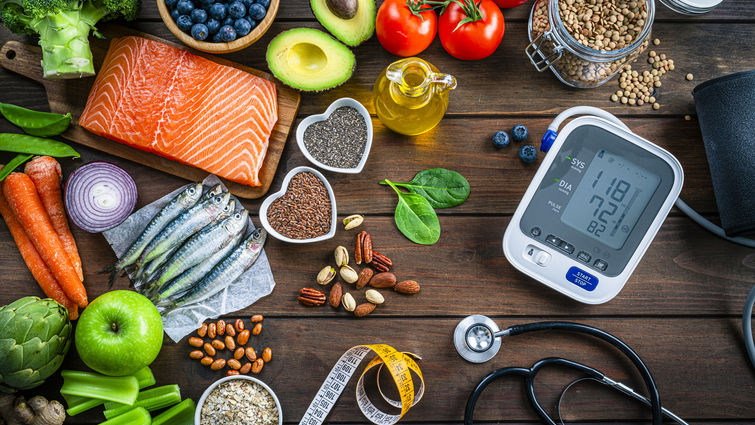
Here is a 7-day pattern that intentionally weaves in all ten foods, focusing on improving artery health:
| Meal | Example |
|---|---|
| Breakfast | Overnight oats (oats) with blueberries + chopped walnuts; drizzle olive oil if you like savory. |
| Lunch | Bean salad (beans) with tomato and avocado, dressed with EVOO; side of whole-grain bread. |
| Snack | A medium orange + a handful of walnuts. |
| Dinner | Pasta with sardines, garlic, olive oil, and roasted cherry tomatoes; side of sautéed kale. |
| Another Day Option | Sardine-avocado toast; kale-orange salad; bean chili; blueberry compote over yogurt. |
Conclusion: Your Arteries Are Built to Heal
My mom Mary went from dangerous LDL levels and chest tightness to stable labs and renewed energy — simply by figuring out how food works biochemically inside her arteries.
If she could do it at 60, after decades of habits…You can too.
Start with one food today. Your arteries respond faster than you think.