6 Early Signs of Arterial Stiffness You Should Never Ignore
Normal Pulse Pressure by Age:
Ages 20–40: 30–50 points | Ages 40–60: 40–60 points | Over 60: above 60 points is a warning sign, not normal ageing
Sign 2: You Get Exhausted Doing Things That Used to Feel Easy
Table of Contents
This is not the tiredness that comes from a bad night’s sleep. It is a slow, creeping decline in your physical stamina — the growing sense that walks, stairs, or light activity leave you more drained than they used to. And it has been getting gradually worse for months or years, not just on occasional bad days.
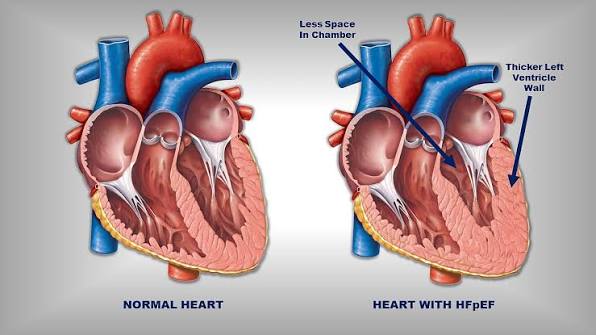
When arteries stiffen, the heart works harder against more resistance. Over time, the heart muscle thickens to cope — but a thicker heart wall becomes a stiffer one, and a stiffer heart cannot fill properly between beats. Less blood in means less blood out, and your muscles do not get the oxygen they need during activity.
Important note for women: This symptom in women is frequently dismissed because it does not show up on standard treadmill stress tests. Women with arterial stiffness have a heart relaxation problem that only appears on a specific type of heart ultrasound. If you are a woman whose stamina has been declining and your stress test came back normal, push for an echocardiogram that specifically checks how your heart relaxes — not just how hard it squeezes.
What to do: Ask your physician for an echocardiogram that evaluates diastolic function. Describe the gradual decline in your stamina specifically — how long it has been happening and what activities now feel harder than they used to.
Sign 3: You Feel Dizzy Every Time You Stand Up
You get up from the sofa bed, and for a few seconds the room spins, your vision dims, and you grab something to steady yourself. Then it passes. You have probably been blaming it on getting up too fast or not drinking enough water.
When you stand, gravity pulls blood into your legs. Your arteries need to tighten quickly to push blood back up to your brain. Stiff arteries cannot make this adjustment fast enough — so blood pressure drops sharply, and for a few seconds your brain gets less blood than it needs. That brief shortage causes the dizziness.
Dehydration causes similar symptoms — but they fully resolve when you drink enough water. If this happens to you regularly over a long period regardless of how much you drink, that is a vascular problem, not a hydration one. In older adults, it is a leading cause of dangerous falls and hip fractures.
What to do: Track when it happens — frequency, duration, what you were doing beforehand. Always rise slowly. Tell your physician to measure your blood pressure lying down, then sitting, then standing. A drop of 20 or more points in the top number when you stand up is a clinically significant finding.
Sign 4: You Wake Up With a Headache at the Back of Your Head That Fades as the Morning Goes On
A headache that is already there when you open your eyes — usually at the back of your head — and then gradually fades by mid-morning. Not a migraine. Not a tension headache. This one starts at waking and gets better as you get up and move around.
This specific pattern can point to blood pressure staying too high overnight. In healthy people, blood pressure naturally dips 10 to 20 percent during sleep, giving artery walls a rest. In people with arterial stiffness, this overnight dip often does not happen. Blood pressure stays high all night, pressing continuously on the fragile blood vessels inside the brain for eight hours while you sleep.
Here is the critical problem: this only shows up on a 24-hour blood pressure test, not a standard office reading. Research shows that overnight blood pressure is a stronger predictor of stroke and heart attack than daytime blood pressure — yet most patients only ever get tested during office hours.
What to do: Keep a headache diary for 3 to 4 weeks noting time of onset, location, and when it fades. If a consistent morning pattern emerges, ask your doctor specifically for a 24-hour ambulatory blood pressure monitor — a small device you wear for a full day and night that records what your blood pressure does while you sleep.
Sign 5: Hard Arteries in Your Neck — and What Your Eye Exam Can Tell You
Feel along the sides of your neck, then press gently against your temples. In healthy, flexible arteries, these vessels feel soft and easy to compress. When significant stiffness is present, they may feel cord-like and hard — or even appear visibly raised under the skin like ropes when you turn your head.
But the most valuable window into your arterial health is one most people never use: your eyes.
The back of your eye is the only place in the human body where blood vessels can be seen directly without any procedure. During a dilated eye exam, your eye doctor can spot two specific changes that signal arterial stiffness throughout your body. The first is arteriovenous nicking — where stiffened arteries press down on the veins that cross beneath them, creating a visible notching effect. The second is silver wiring — where thickened artery walls create an abnormally bright reflective streak. Both are directly linked to cardiovascular risk.
A neck artery ultrasound called a CIMT test measures how thick your artery walls have become. Under 0.9mm is normal. Over 1.0mm signals significantly increased risk. Over 1.5mm means plaque is present — high risk territory.
What to do: At your next eye exam, ask for a dilated fundus examination and specifically ask whether the doctor sees any arteriovenous changes. Ask your cardiologist about a carotid ultrasound as part of cardiovascular risk assessment. It is painless, takes 20 minutes, and gives genuinely useful objective information.
Sign 6: Your Memory Is Getting Foggy and Your Thinking Feels Slower Than It Used to
Struggling to find words mid-sentence. Walking into a room and forgetting why. Needing to read the same paragraph twice. Concentration that feels slightly harder to hold onto than it used to. You are telling yourself it is just age, or stress, or tiredness.
Sometimes it is. But when these changes are gradual and progressive — and occurring in someone with cardiovascular risk factors — they can be something else entirely.
Your brain uses 20 percent of your body’s total blood supply despite being only 2 percent of your body weight. It is extraordinarily sensitive to any reduction in blood flow quality. Stiff arteries deliver each heartbeat’s pressure wave at full force into the tiny, delicate blood vessels deep inside the brain. These vessels were designed for smooth, gentle flow. Over years, that repeated hammering causes microscopic damage — tiny silent strokes and small scars in the brain’s white matter that do not cause immediate symptoms but quietly build up. The result is a gradual dulling of mental sharpness that most people attribute entirely to age.
Women who had preeclampsia or high blood pressure during pregnancy develop these brain changes more frequently and at younger ages than average. If that is your history, do not dismiss cognitive changes.
What to do: Do not normalise progressive mental fogginess, especially alongside cardiovascular risk factors. Bring it up with your doctor, describe exactly what has changed and how long it has been happening, and ask whether brain imaging would be appropriate for your risk profile.
How Doctors Test for It — Ask for These by Name
Most of these tests are not part of a standard check-up. You need to ask specifically:
- Pulse Wave Velocity (PWV): The gold standard test. Measures how fast pressure waves travel through your arteries. Below 7 m/s is ideal. Above 10 m/s is abnormal. Above 12 m/s is high risk.
- Carotid Ultrasound (CIMT): Painless scan measuring artery wall thickness in your neck.
- 24-Hour Blood Pressure Monitor (ABPM): The only test that reveals what your blood pressure does overnight.
- Echocardiogram: Heart ultrasound — ask specifically for diastolic function assessment, not just ejection fraction.
- Blood tests: C-reactive protein, homocysteine, and fasting insulin all add useful information.
If your physician runs a standard office blood pressure check and tells you everything is fine — that is not the same as being tested for arterial stiffness.
These specific tests are the difference between catching this condition early and discovering it after a stroke.
Can It Be Reversed? Yes — Here Is What Actually Works
The honest answer is that early action can make a real difference. Here is what the evidence supports:
Exercise is the single most powerful tool available. Walking briskly for just 30 minutes, five days a week, produces measurable reductions in arterial stiffness within 8 to 12 weeks. Aim for 150 minutes of moderate aerobic activity per week.
Eat for your arteries. Beetroot, dark leafy greens, fatty fish, berries, olive oil, garlic, and dark chocolate (70 percent cocoa or higher) all have genuine scientific backing for improving arterial health. Cut back on salt, processed food, refined sugar, and energy drinks.
Read also: 6 foods that stiffen arteries (avoid these to protect your heart)
Drink enough water. Even mild, ongoing dehydration measurably increases arterial stiffness. Around 2 to 3 litres of water daily is a simple, free intervention that most people overlook completely.
Prioritise sleep. Seven to nine hours per night consistently reduces arterial stiffness markers. If you snore heavily regardless of how long you sleep, get tested for sleep apnea — it is an aggressive driver of vascular damage.
Stop smoking and vaping. Measurable arterial improvements begin within weeks of stopping. Vaping is not a safe alternative — nicotine from any source stiffens arteries acutely.
Manage your stress. Chronic stress hormones directly stiffen blood vessel walls. Daily mindfulness, exercise, and adequate sleep are not optional extras for cardiovascular health — they are part of the treatment.
Medications your doctor may consider: ACE inhibitors and ARBs reduce arterial stiffness beyond just lowering blood pressure. Statins reduce arterial wall inflammation independently of their cholesterol effects. Calcium channel blockers help manage the rising top number characteristic of arterial stiffness.
Realistic timeline: With consistent lifestyle changes, measurable improvement in arterial stiffness is detectable within 8 to 12 weeks. Significant reversal takes 6 to 18 months. Starting earlier means more recovery — but starting at any age still meaningfully reduces your risk.
Frequently Asked Questions
Is arterial stiffness the same as blocked arteries?
No. Blocked arteries are a narrowing problem — plaque builds up inside the channel. Arterial stiffness is a rigidity problem — the wall itself loses flexibility. Both are serious, both often occur together, but they are different conditions requiring different approaches.
Can young people get arterial stiffness?
Yes. Young adults with type 1 diabetes, untreated high blood pressure, autoimmune conditions, obesity, or heavy smoking history can develop it in their 20s and 30s. Being young does not mean your arteries are automatically healthy.
What foods are worst for arterial health?
High-salt processed foods, refined sugars, trans fats, processed meats, and energy drinks. Heavy alcohol consumption (more than 14 drinks per week) is also directly linked to increased arterial stiffness.
What supplements have evidence behind them?
Vitamin K2 (MK-7 form, 180 mcg daily) has the strongest evidence — it actively prevents calcium from depositing in artery walls. Magnesium (300–400 mg daily), Vitamin D (if you are deficient), and omega-3 fatty acids (2–3 g daily) also have supporting evidence. Always discuss with your doctor first.
How long does improvement take?
Measurable changes are detectable within 8 to 12 weeks of consistent exercise and dietary improvement. Significant reversal takes 6 to 18 months of sustained effort.
Your Arteries Have Been Talking. It Is Time to Listen.
My mother’s headaches, her fading stamina, her dizziness when standing — every one of those symptoms was her cardiovascular system sending messages that nobody decoded in time.
You now have the decoder.
The 6 early signs — rising blood pressure gap, declining stamina, dizziness when standing, morning headaches, visible artery changes, and creeping mental fog — are not random. They are detectable, meaningful, and largely addressable when caught early.
If several of these signs sound familiar to you — especially alongside risk factors like high blood pressure, diabetes, obesity, or pregnancy complications — call your doctor this week. Do not wait for your next routine appointment to mention it in passing. Ask specifically for pulse wave velocity testing (pwv), a carotid ultrasound, and 24-hour blood pressure monitoring.
Your arteries have been working without a break since the day you were born. Give them the attention they are asking for — before the damage becomes permanent.
Found this helpful? Share it with someone whose heart health matters to you.
Medical Disclaimer: This article is for educational purposes only and does not constitute medical advice. Always consult a qualified doctor for diagnosis and treatment. In an emergency, call 911 immediately.
References:
- Laurent S, et al. Expert consensus document on arterial stiffness. European Heart Journal. 2006;27(21):2588–2605.
- Townsend RR, et al. Recommendations for Improving and Standardizing Vascular Research on Arterial Stiffness. Hypertension. 2015;66(3):698–722.
- Vlachopoulos C, et al. Prediction of cardiovascular events and all-cause mortality with arterial stiffness. Journal of the American College of Cardiology. 2010;55(13):1318–1327.
- Boardman H, et al. Estrogen and arterial stiffness. Maturitas. 2019.
- American Heart Association — heart.org
- Mayo Clinic Cardiovascular Health — mayoclinic.org
- European Society of Hypertension Guidelines, 2023.
Key Fact: Research in the European Heart Journal confirmed that arterial stiffness increases your risk of dying from heart disease independently — even after accounting for cholesterol, blood pressure, smoking, and every other known risk factor.
Who Gets It? (The Answer May Surprise You)
Arterial stiffness is not just an elderly person’s problem. Here is who is most at risk:
- People with high blood pressure — constant pressure pounds artery walls and breaks down elastin faster
- People with diabetes or pre-diabetes — high blood sugar hardens artery wall proteins through glycation
- Overweight individuals — excess body fat drives chronic inflammation that damages artery linings
- Smokers and vapers — nicotine and chemicals directly damage blood vessel walls, even in people in their 20s
- People with kidney disease or autoimmune conditions like lupus or rheumatoid arthritis
- People who sit most of the day — physical inactivity removes the stimulus that keeps arteries flexible
- People under chronic stress — stress hormones keep blood pressure high and accelerate vascular ageing
Women after menopause face a particular risk. Before menopause, oestrogen protects artery walls. After menopause, oestrogen drops sharply and arteries can age a decade’s worth in just a few years. Women also tend to develop a heart-relaxation problem (diastolic dysfunction) as their main cardiac symptom — one that standard stress tests routinely miss.
Black adults develop arterial stiffness earlier and more severely than other groups, driven largely by higher rates of hypertension starting at younger ages. Earlier cardiovascular screening is genuinely important.
Women who had preeclampsia or high blood pressure during pregnancy carry a significantly high lifetime risk of arterial stiffness and heart disease — a risk that does not disappear after the baby is born.
The 6 Early Signs of Arterial Stiffness You Should Never Ignore
No single sign below confirms arterial stiffness on its own. But several of them together — especially alongside the risk factors above — is a pattern that deserves medical attention.
Sign 1: Your Systolic Blood Pressure Number Keeps Rising While the Diastolic Stays the Same
When you check your blood pressure, you get two numbers. The systolic shows pressure when your heart beats. The diastolic shows pressure between beats. Normally the gap between them is 40 to 60 points.
When arteries stiffen, the systolic climbs because rigid walls cannot absorb the pressure surge from each heartbeat. The diastolic falls or stays flat because stiff walls have no elastic rebound to maintain pressure between beats. A gap wider than 60 points — say, a reading of 155/72 — is a significant warning signal.
This pattern is called isolated systolic hypertension. It is not just normal ageing. It carries a two to three times higher risk of cardiovascular death compared to a normal gap.
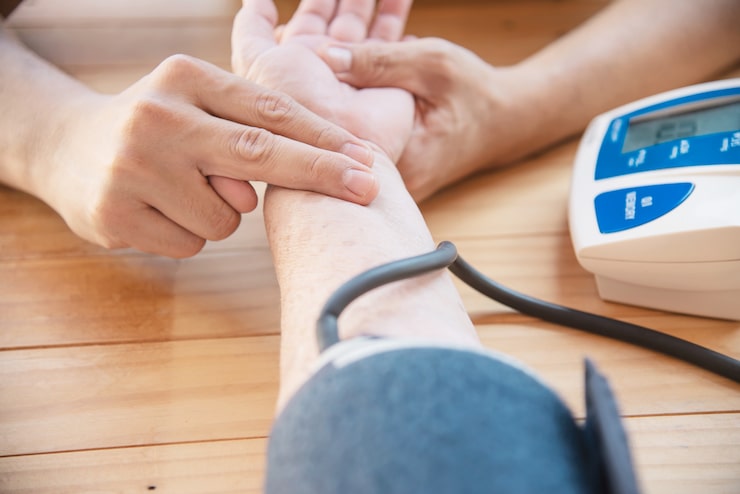
What to do: Get an upper-arm blood pressure cuff and track readings at different times of day for two weeks. Bring that written log to your doctor. One reading tells you little — a consistent pattern of a widening gap tells you a great deal.
Normal Pulse Pressure by Age:
Ages 20–40: 30–50 points | Ages 40–60: 40–60 points | Over 60: above 60 points is a warning sign, not normal ageing
Sign 2: You Get Exhausted Doing Things That Used to Feel Easy
This is not the tiredness that comes from a bad night’s sleep. It is a slow, creeping decline in your physical stamina — the growing sense that walks, stairs, or light activity leave you more drained than they used to. And it has been getting gradually worse for months or years, not just on occasional bad days.
When arteries stiffen, the heart works harder against more resistance. Over time, the heart muscle thickens to cope — but a thicker heart wall becomes a stiffer one, and a stiffer heart cannot fill properly between beats. Less blood in means less blood out, and your muscles do not get the oxygen they need during activity.
Important note for women: This symptom in women is frequently dismissed because it does not show up on standard treadmill stress tests. Women with arterial stiffness have a heart relaxation problem that only appears on a specific type of heart ultrasound. If you are a woman whose stamina has been declining and your stress test came back normal, push for an echocardiogram that specifically checks how your heart relaxes — not just how hard it squeezes.
What to do: Ask your physician for an echocardiogram that evaluates diastolic function. Describe the gradual decline in your stamina specifically — how long it has been happening and what activities now feel harder than they used to.
Sign 3: You Feel Dizzy Every Time You Stand Up
You get up from the sofa bed, and for a few seconds the room spins, your vision dims, and you grab something to steady yourself. Then it passes. You have probably been blaming it on getting up too fast or not drinking enough water.
When you stand, gravity pulls blood into your legs. Your arteries need to tighten quickly to push blood back up to your brain. Stiff arteries cannot make this adjustment fast enough — so blood pressure drops sharply, and for a few seconds your brain gets less blood than it needs. That brief shortage causes the dizziness.
Dehydration causes similar symptoms — but they fully resolve when you drink enough water. If this happens to you regularly over a long period regardless of how much you drink, that is a vascular problem, not a hydration one. In older adults, it is a leading cause of dangerous falls and hip fractures.
What to do: Track when it happens — frequency, duration, what you were doing beforehand. Always rise slowly. Tell your physician to measure your blood pressure lying down, then sitting, then standing. A drop of 20 or more points in the top number when you stand up is a clinically significant finding.
Sign 4: You Wake Up With a Headache at the Back of Your Head That Fades as the Morning Goes On
A headache that is already there when you open your eyes — usually at the back of your head — and then gradually fades by mid-morning. Not a migraine. Not a tension headache. This one starts at waking and gets better as you get up and move around.
This specific pattern can point to blood pressure staying too high overnight. In healthy people, blood pressure naturally dips 10 to 20 percent during sleep, giving artery walls a rest. In people with arterial stiffness, this overnight dip often does not happen. Blood pressure stays high all night, pressing continuously on the fragile blood vessels inside the brain for eight hours while you sleep.
Here is the critical problem: this only shows up on a 24-hour blood pressure test, not a standard office reading. Research shows that overnight blood pressure is a stronger predictor of stroke and heart attack than daytime blood pressure — yet most patients only ever get tested during office hours.
What to do: Keep a headache diary for 3 to 4 weeks noting time of onset, location, and when it fades. If a consistent morning pattern emerges, ask your doctor specifically for a 24-hour ambulatory blood pressure monitor — a small device you wear for a full day and night that records what your blood pressure does while you sleep.
Sign 5: Hard Arteries in Your Neck — and What Your Eye Exam Can Tell You
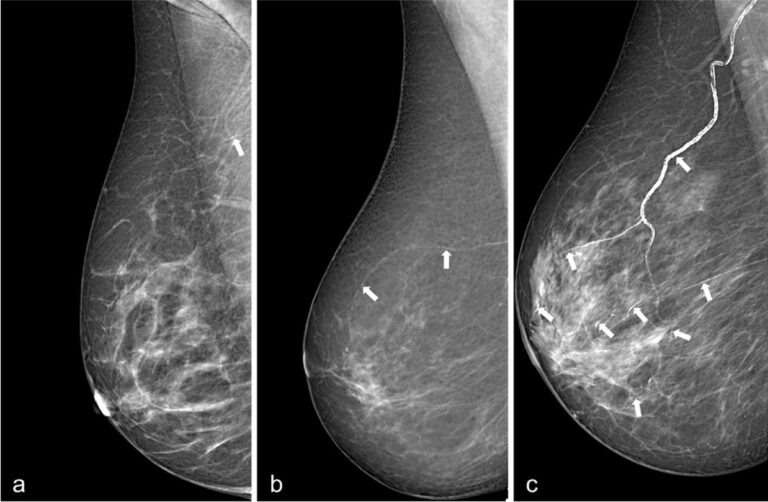
Feel along the sides of your neck, then press gently against your temples. In healthy, flexible arteries, these vessels feel soft and easy to compress. When significant stiffness is present, they may feel cord-like and hard — or even appear visibly raised under the skin like ropes when you turn your head.
But the most valuable window into your arterial health is one most people never use: your eyes.
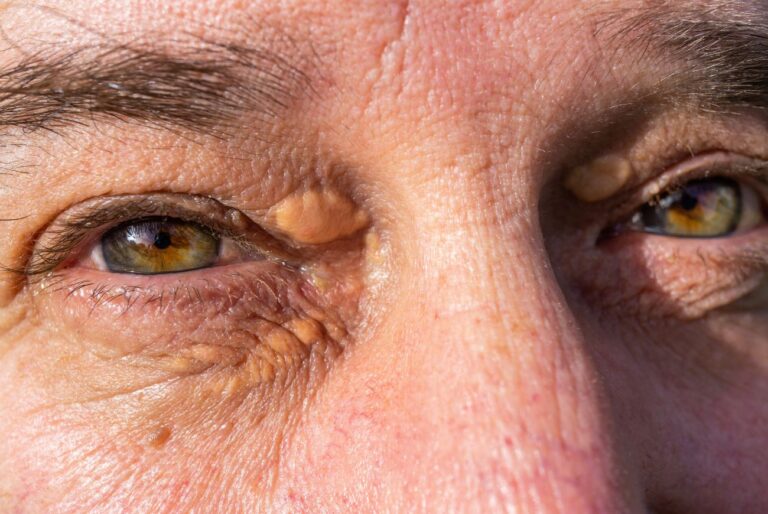
The back of your eye is the only place in the human body where blood vessels can be seen directly without any procedure. During a dilated eye exam, your eye doctor can spot two specific changes that signal arterial stiffness throughout your body. The first is arteriovenous nicking — where stiffened arteries press down on the veins that cross beneath them, creating a visible notching effect. The second is silver wiring — where thickened artery walls create an abnormally bright reflective streak. Both are directly linked to cardiovascular risk.
A neck artery ultrasound called a CIMT test measures how thick your artery walls have become. Under 0.9mm is normal. Over 1.0mm signals significantly increased risk. Over 1.5mm means plaque is present — high risk territory.
What to do: At your next eye exam, ask for a dilated fundus examination and specifically ask whether the doctor sees any arteriovenous changes. Ask your cardiologist about a carotid ultrasound as part of cardiovascular risk assessment. It is painless, takes 20 minutes, and gives genuinely useful objective information.
Sign 6: Your Memory Is Getting Foggy and Your Thinking Feels Slower Than It Used to
Struggling to find words mid-sentence. Walking into a room and forgetting why. Needing to read the same paragraph twice. Concentration that feels slightly harder to hold onto than it used to. You are telling yourself it is just age, or stress, or tiredness.
Sometimes it is. But when these changes are gradual and progressive — and occurring in someone with cardiovascular risk factors — they can be something else entirely.
Your brain uses 20 percent of your body’s total blood supply despite being only 2 percent of your body weight. It is extraordinarily sensitive to any reduction in blood flow quality. Stiff arteries deliver each heartbeat’s pressure wave at full force into the tiny, delicate blood vessels deep inside the brain. These vessels were designed for smooth, gentle flow. Over years, that repeated hammering causes microscopic damage — tiny silent strokes and small scars in the brain’s white matter that do not cause immediate symptoms but quietly build up. The result is a gradual dulling of mental sharpness that most people attribute entirely to age.
Women who had preeclampsia or high blood pressure during pregnancy develop these brain changes more frequently and at younger ages than average. If that is your history, do not dismiss cognitive changes.
What to do: Do not normalise progressive mental fogginess, especially alongside cardiovascular risk factors. Bring it up with your doctor, describe exactly what has changed and how long it has been happening, and ask whether brain imaging would be appropriate for your risk profile.
How Doctors Test for It — Ask for These by Name
Most of these tests are not part of a standard check-up. You need to ask specifically:
- Pulse Wave Velocity (PWV): The gold standard test. Measures how fast pressure waves travel through your arteries. Below 7 m/s is ideal. Above 10 m/s is abnormal. Above 12 m/s is high risk.
- Carotid Ultrasound (CIMT): Painless scan measuring artery wall thickness in your neck.
- 24-Hour Blood Pressure Monitor (ABPM): The only test that reveals what your blood pressure does overnight.
- Echocardiogram: Heart ultrasound — ask specifically for diastolic function assessment, not just ejection fraction.
- Blood tests: C-reactive protein, homocysteine, and fasting insulin all add useful information.
If your physician runs a standard office blood pressure check and tells you everything is fine — that is not the same as being tested for arterial stiffness.
These specific tests are the difference between catching this condition early and discovering it after a stroke.
Can It Be Reversed? Yes — Here Is What Actually Works
The honest answer is that early action can make a real difference. Here is what the evidence supports:
Exercise is the single most powerful tool available. Walking briskly for just 30 minutes, five days a week, produces measurable reductions in arterial stiffness within 8 to 12 weeks. Aim for 150 minutes of moderate aerobic activity per week.
Eat for your arteries. Beetroot, dark leafy greens, fatty fish, berries, olive oil, garlic, and dark chocolate (70 percent cocoa or higher) all have genuine scientific backing for improving arterial health. Cut back on salt, processed food, refined sugar, and energy drinks.
Read also: 6 foods that stiffen arteries (avoid these to protect your heart)
Drink enough water. Even mild, ongoing dehydration measurably increases arterial stiffness. Around 2 to 3 litres of water daily is a simple, free intervention that most people overlook completely.
Prioritise sleep. Seven to nine hours per night consistently reduces arterial stiffness markers. If you snore heavily regardless of how long you sleep, get tested for sleep apnea — it is an aggressive driver of vascular damage.
Stop smoking and vaping. Measurable arterial improvements begin within weeks of stopping. Vaping is not a safe alternative — nicotine from any source stiffens arteries acutely.
Manage your stress. Chronic stress hormones directly stiffen blood vessel walls. Daily mindfulness, exercise, and adequate sleep are not optional extras for cardiovascular health — they are part of the treatment.
Medications your doctor may consider: ACE inhibitors and ARBs reduce arterial stiffness beyond just lowering blood pressure. Statins reduce arterial wall inflammation independently of their cholesterol effects. Calcium channel blockers help manage the rising top number characteristic of arterial stiffness.
Realistic timeline: With consistent lifestyle changes, measurable improvement in arterial stiffness is detectable within 8 to 12 weeks. Significant reversal takes 6 to 18 months. Starting earlier means more recovery — but starting at any age still meaningfully reduces your risk.
Frequently Asked Questions
Is arterial stiffness the same as blocked arteries?
No. Blocked arteries are a narrowing problem — plaque builds up inside the channel. Arterial stiffness is a rigidity problem — the wall itself loses flexibility. Both are serious, both often occur together, but they are different conditions requiring different approaches.
Can young people get arterial stiffness?
Yes. Young adults with type 1 diabetes, untreated high blood pressure, autoimmune conditions, obesity, or heavy smoking history can develop it in their 20s and 30s. Being young does not mean your arteries are automatically healthy.
What foods are worst for arterial health?
High-salt processed foods, refined sugars, trans fats, processed meats, and energy drinks. Heavy alcohol consumption (more than 14 drinks per week) is also directly linked to increased arterial stiffness.
What supplements have evidence behind them?
Vitamin K2 (MK-7 form, 180 mcg daily) has the strongest evidence — it actively prevents calcium from depositing in artery walls. Magnesium (300–400 mg daily), Vitamin D (if you are deficient), and omega-3 fatty acids (2–3 g daily) also have supporting evidence. Always discuss with your doctor first.
How long does improvement take?
Measurable changes are detectable within 8 to 12 weeks of consistent exercise and dietary improvement. Significant reversal takes 6 to 18 months of sustained effort.
Your Arteries Have Been Talking. It Is Time to Listen.
My mother’s headaches, her fading stamina, her dizziness when standing — every one of those symptoms was her cardiovascular system sending messages that nobody decoded in time.
You now have the decoder.
The 6 early signs — rising blood pressure gap, declining stamina, dizziness when standing, morning headaches, visible artery changes, and creeping mental fog — are not random. They are detectable, meaningful, and largely addressable when caught early.
If several of these signs sound familiar to you — especially alongside risk factors like high blood pressure, diabetes, obesity, or pregnancy complications — call your doctor this week. Do not wait for your next routine appointment to mention it in passing. Ask specifically for pulse wave velocity testing (pwv), a carotid ultrasound, and 24-hour blood pressure monitoring.
Your arteries have been working without a break since the day you were born. Give them the attention they are asking for — before the damage becomes permanent.
Found this helpful? Share it with someone whose heart health matters to you.
Medical Disclaimer: This article is for educational purposes only and does not constitute medical advice. Always consult a qualified doctor for diagnosis and treatment. In an emergency, call 911 immediately.
References:
- Laurent S, et al. Expert consensus document on arterial stiffness. European Heart Journal. 2006;27(21):2588–2605.
- Townsend RR, et al. Recommendations for Improving and Standardizing Vascular Research on Arterial Stiffness. Hypertension. 2015;66(3):698–722.
- Vlachopoulos C, et al. Prediction of cardiovascular events and all-cause mortality with arterial stiffness. Journal of the American College of Cardiology. 2010;55(13):1318–1327.
- Boardman H, et al. Estrogen and arterial stiffness. Maturitas. 2019.
- American Heart Association — heart.org
- Mayo Clinic Cardiovascular Health — mayoclinic.org
- European Society of Hypertension Guidelines, 2023.
6 Early Signs of Arterial Stiffness That You Should Know
Important — Read This First
If you are experiencing any of the following RIGHT NOW, stop and call 911 immediately: sudden severe headache, chest pain or tightness, weakness or numbness on one side of your body, sudden blurry vision, or confusion and difficulty speaking. These are possible signs of a stroke or heart attack. Call 911 first. Read this article later.
The Heart Condition Nobody Warned You About
My mom mary was 54, healthy weight, no diabetes, no family heart history. For two years she woke up with a dull morning headache that faded by mid-morning. Her walks left her oddly breathless. Standing up too fast made her vision go dark for a few seconds.
Her doctor said it was probably stress.
Six years later, my mom had a mini-stroke at 60.
When doctors finally ran the right tests, they found her arteries had become dangerously stiff — far worse than they should have been for her age.
Every warning sign had been there for years. Nobody connected the dots.
My mother’s story is not rare. It happens every single day.
Every 33 seconds, someone in the United States dies from heart disease. One of the biggest hidden causes is arterial stiffness — the slow, silent hardening of your blood vessel walls. It affects roughly 4 in 10 adults over 50. It raises your risk of heart attack, stroke, heart failure, and kidney failure. And most people who have it have absolutely no idea.
This condition does not reveal itself dramatically. It builds quietly over years, always leaving clues — clues most people blame on stress, age, or being out of shape.
This article gives you those clues.
What Is Arterial Stiffness?
Picture a brand-new rubber garden hose. It is soft and flexible. When water rushes through at high pressure, the hose gives a little and absorbs the force. Now picture that same hose after years in the hot sun — hard, brittle, no give at all. That is what arterial stiffness does to your blood vessels. Your arteries are supposed to gently expand and spring back with every heartbeat, cushioning the pressure and keeping blood flowing smoothly to your brain, heart, and kidneys. Two proteins make this possible: elastin gives your arteries their stretch, and collagen gives them structure.
In healthy arteries, elastin does most of the work and keeps everything supple.
After some time — especially with high blood pressure, diabetes, and poor lifestyle habits — the elastin breaks down.
Rigid collagen replaces it. Sugar molecules in your blood literally glue the artery wall proteins together (a process called glycation), and calcium deposits can harden the walls even further.
What was once a flexible hose becomes a stiff pipe.
Two serious consequences follow. First, your heart has to work much harder to pump blood through rigid walls — eventually causing the heart muscle itself to thicken and weaken. Second, the full force of each heartbeat slams into the tiny, fragile blood vessels in your brain, kidneys, and eyes — vessels that were never designed to take that kind of punishment.
Is this the same as blocked arteries? No. Blocked arteries is about fatty deposits narrowing the channel blood flows through — a blockage problem. Arterial stiffness is about the wall losing its flexibility — a rigidity problem. They occur together, but they are different conditions.
Key Fact: Research in the European Heart Journal confirmed that arterial stiffness increases your risk of dying from heart disease independently — even after accounting for cholesterol, blood pressure, smoking, and every other known risk factor.
Who Gets It? (The Answer May Surprise You)
Arterial stiffness is not just an elderly person’s problem. Here is who is most at risk:
- People with high blood pressure — constant pressure pounds artery walls and breaks down elastin faster
- People with diabetes or pre-diabetes — high blood sugar hardens artery wall proteins through glycation
- Overweight individuals — excess body fat drives chronic inflammation that damages artery linings
- Smokers and vapers — nicotine and chemicals directly damage blood vessel walls, even in people in their 20s
- People with kidney disease or autoimmune conditions like lupus or rheumatoid arthritis
- People who sit most of the day — physical inactivity removes the stimulus that keeps arteries flexible
- People under chronic stress — stress hormones keep blood pressure high and accelerate vascular ageing
Women after menopause face a particular risk. Before menopause, oestrogen protects artery walls. After menopause, oestrogen drops sharply and arteries can age a decade’s worth in just a few years. Women also tend to develop a heart-relaxation problem (diastolic dysfunction) as their main cardiac symptom — one that standard stress tests routinely miss.
Black adults develop arterial stiffness earlier and more severely than other groups, driven largely by higher rates of hypertension starting at younger ages. Earlier cardiovascular screening is genuinely important.
Women who had preeclampsia or high blood pressure during pregnancy carry a significantly high lifetime risk of arterial stiffness and heart disease — a risk that does not disappear after the baby is born.
The 6 Early Signs of Arterial Stiffness You Should Never Ignore
No single sign below confirms arterial stiffness on its own. But several of them together — especially alongside the risk factors above — is a pattern that deserves medical attention.
Sign 1: Your Systolic Blood Pressure Number Keeps Rising While the Diastolic Stays the Same
When you check your blood pressure, you get two numbers. The systolic shows pressure when your heart beats. The diastolic shows pressure between beats. Normally the gap between them is 40 to 60 points.
When arteries stiffen, the systolic climbs because rigid walls cannot absorb the pressure surge from each heartbeat. The diastolic falls or stays flat because stiff walls have no elastic rebound to maintain pressure between beats. A gap wider than 60 points — say, a reading of 155/72 — is a significant warning signal.
This pattern is called isolated systolic hypertension. It is not just normal ageing. It carries a two to three times higher risk of cardiovascular death compared to a normal gap.
What to do: Get an upper-arm blood pressure cuff and track readings at different times of day for two weeks. Bring that written log to your doctor. One reading tells you little — a consistent pattern of a widening gap tells you a great deal.
Normal Pulse Pressure by Age:
Ages 20–40: 30–50 points | Ages 40–60: 40–60 points | Over 60: above 60 points is a warning sign, not normal ageing
Sign 2: You Get Exhausted Doing Things That Used to Feel Easy
This is not the tiredness that comes from a bad night’s sleep. It is a slow, creeping decline in your physical stamina — the growing sense that walks, stairs, or light activity leave you more drained than they used to. And it has been getting gradually worse for months or years, not just on occasional bad days.
When arteries stiffen, the heart works harder against more resistance. Over time, the heart muscle thickens to cope — but a thicker heart wall becomes a stiffer one, and a stiffer heart cannot fill properly between beats. Less blood in means less blood out, and your muscles do not get the oxygen they need during activity.
Important note for women: This symptom in women is frequently dismissed because it does not show up on standard treadmill stress tests. Women with arterial stiffness have a heart relaxation problem that only appears on a specific type of heart ultrasound. If you are a woman whose stamina has been declining and your stress test came back normal, push for an echocardiogram that specifically checks how your heart relaxes — not just how hard it squeezes.
What to do: Ask your physician for an echocardiogram that evaluates diastolic function. Describe the gradual decline in your stamina specifically — how long it has been happening and what activities now feel harder than they used to.
Sign 3: You Feel Dizzy Every Time You Stand Up
You get up from the sofa bed, and for a few seconds the room spins, your vision dims, and you grab something to steady yourself. Then it passes. You have probably been blaming it on getting up too fast or not drinking enough water.
When you stand, gravity pulls blood into your legs. Your arteries need to tighten quickly to push blood back up to your brain. Stiff arteries cannot make this adjustment fast enough — so blood pressure drops sharply, and for a few seconds your brain gets less blood than it needs. That brief shortage causes the dizziness.
Dehydration causes similar symptoms — but they fully resolve when you drink enough water. If this happens to you regularly over a long period regardless of how much you drink, that is a vascular problem, not a hydration one. In older adults, it is a leading cause of dangerous falls and hip fractures.
What to do: Track when it happens — frequency, duration, what you were doing beforehand. Always rise slowly. Tell your physician to measure your blood pressure lying down, then sitting, then standing. A drop of 20 or more points in the top number when you stand up is a clinically significant finding.
Sign 4: You Wake Up With a Headache at the Back of Your Head That Fades as the Morning Goes On
A headache that is already there when you open your eyes — usually at the back of your head — and then gradually fades by mid-morning. Not a migraine. Not a tension headache. This one starts at waking and gets better as you get up and move around.
This specific pattern can point to blood pressure staying too high overnight. In healthy people, blood pressure naturally dips 10 to 20 percent during sleep, giving artery walls a rest. In people with arterial stiffness, this overnight dip often does not happen. Blood pressure stays high all night, pressing continuously on the fragile blood vessels inside the brain for eight hours while you sleep.
Here is the critical problem: this only shows up on a 24-hour blood pressure test, not a standard office reading. Research shows that overnight blood pressure is a stronger predictor of stroke and heart attack than daytime blood pressure — yet most patients only ever get tested during office hours.
What to do: Keep a headache diary for 3 to 4 weeks noting time of onset, location, and when it fades. If a consistent morning pattern emerges, ask your doctor specifically for a 24-hour ambulatory blood pressure monitor — a small device you wear for a full day and night that records what your blood pressure does while you sleep.
Sign 5: Hard Arteries in Your Neck — and What Your Eye Exam Can Tell You
Feel along the sides of your neck, then press gently against your temples. In healthy, flexible arteries, these vessels feel soft and easy to compress. When significant stiffness is present, they may feel cord-like and hard — or even appear visibly raised under the skin like ropes when you turn your head.
But the most valuable window into your arterial health is one most people never use: your eyes.
The back of your eye is the only place in the human body where blood vessels can be seen directly without any procedure. During a dilated eye exam, your eye doctor can spot two specific changes that signal arterial stiffness throughout your body. The first is arteriovenous nicking — where stiffened arteries press down on the veins that cross beneath them, creating a visible notching effect. The second is silver wiring — where thickened artery walls create an abnormally bright reflective streak. Both are directly linked to cardiovascular risk.
A neck artery ultrasound called a CIMT test measures how thick your artery walls have become. Under 0.9mm is normal. Over 1.0mm signals significantly increased risk. Over 1.5mm means plaque is present — high risk territory.
What to do: At your next eye exam, ask for a dilated fundus examination and specifically ask whether the doctor sees any arteriovenous changes. Ask your cardiologist about a carotid ultrasound as part of cardiovascular risk assessment. It is painless, takes 20 minutes, and gives genuinely useful objective information.
Sign 6: Your Memory Is Getting Foggy and Your Thinking Feels Slower Than It Used to
Struggling to find words mid-sentence. Walking into a room and forgetting why. Needing to read the same paragraph twice. Concentration that feels slightly harder to hold onto than it used to. You are telling yourself it is just age, or stress, or tiredness.
Sometimes it is. But when these changes are gradual and progressive — and occurring in someone with cardiovascular risk factors — they can be something else entirely.
Your brain uses 20 percent of your body’s total blood supply despite being only 2 percent of your body weight. It is extraordinarily sensitive to any reduction in blood flow quality. Stiff arteries deliver each heartbeat’s pressure wave at full force into the tiny, delicate blood vessels deep inside the brain. These vessels were designed for smooth, gentle flow. Over years, that repeated hammering causes microscopic damage — tiny silent strokes and small scars in the brain’s white matter that do not cause immediate symptoms but quietly build up. The result is a gradual dulling of mental sharpness that most people attribute entirely to age.
Women who had preeclampsia or high blood pressure during pregnancy develop these brain changes more frequently and at younger ages than average. If that is your history, do not dismiss cognitive changes.
What to do: Do not normalise progressive mental fogginess, especially alongside cardiovascular risk factors. Bring it up with your doctor, describe exactly what has changed and how long it has been happening, and ask whether brain imaging would be appropriate for your risk profile.
How Doctors Test for It — Ask for These by Name
Most of these tests are not part of a standard check-up. You need to ask specifically:
- Pulse Wave Velocity (PWV): The gold standard test. Measures how fast pressure waves travel through your arteries. Below 7 m/s is ideal. Above 10 m/s is abnormal. Above 12 m/s is high risk.
- Carotid Ultrasound (CIMT): Painless scan measuring artery wall thickness in your neck.
- 24-Hour Blood Pressure Monitor (ABPM): The only test that reveals what your blood pressure does overnight.
- Echocardiogram: Heart ultrasound — ask specifically for diastolic function assessment, not just ejection fraction.
- Blood tests: C-reactive protein, homocysteine, and fasting insulin all add useful information.
If your physician runs a standard office blood pressure check and tells you everything is fine — that is not the same as being tested for arterial stiffness.
These specific tests are the difference between catching this condition early and discovering it after a stroke.
Can It Be Reversed? Yes — Here Is What Actually Works
The honest answer is that early action can make a real difference. Here is what the evidence supports:
Exercise is the single most powerful tool available. Walking briskly for just 30 minutes, five days a week, produces measurable reductions in arterial stiffness within 8 to 12 weeks. Aim for 150 minutes of moderate aerobic activity per week.
Eat for your arteries. Beetroot, dark leafy greens, fatty fish, berries, olive oil, garlic, and dark chocolate (70 percent cocoa or higher) all have genuine scientific backing for improving arterial health. Cut back on salt, processed food, refined sugar, and energy drinks.
Read also: 6 foods that stiffen arteries (avoid these to protect your heart)
Drink enough water. Even mild, ongoing dehydration measurably increases arterial stiffness. Around 2 to 3 litres of water daily is a simple, free intervention that most people overlook completely.
Prioritise sleep. Seven to nine hours per night consistently reduces arterial stiffness markers. If you snore heavily regardless of how long you sleep, get tested for sleep apnea — it is an aggressive driver of vascular damage.
Stop smoking and vaping. Measurable arterial improvements begin within weeks of stopping. Vaping is not a safe alternative — nicotine from any source stiffens arteries acutely.
Manage your stress. Chronic stress hormones directly stiffen blood vessel walls. Daily mindfulness, exercise, and adequate sleep are not optional extras for cardiovascular health — they are part of the treatment.
Medications your doctor may consider: ACE inhibitors and ARBs reduce arterial stiffness beyond just lowering blood pressure. Statins reduce arterial wall inflammation independently of their cholesterol effects. Calcium channel blockers help manage the rising top number characteristic of arterial stiffness.
Realistic timeline: With consistent lifestyle changes, measurable improvement in arterial stiffness is detectable within 8 to 12 weeks. Significant reversal takes 6 to 18 months. Starting earlier means more recovery — but starting at any age still meaningfully reduces your risk.
Frequently Asked Questions
Is arterial stiffness the same as blocked arteries?
No. Blocked arteries are a narrowing problem — plaque builds up inside the channel. Arterial stiffness is a rigidity problem — the wall itself loses flexibility. Both are serious, both often occur together, but they are different conditions requiring different approaches.
Can young people get arterial stiffness?
Yes. Young adults with type 1 diabetes, untreated high blood pressure, autoimmune conditions, obesity, or heavy smoking history can develop it in their 20s and 30s. Being young does not mean your arteries are automatically healthy.
What foods are worst for arterial health?
High-salt processed foods, refined sugars, trans fats, processed meats, and energy drinks. Heavy alcohol consumption (more than 14 drinks per week) is also directly linked to increased arterial stiffness.
What supplements have evidence behind them?
Vitamin K2 (MK-7 form, 180 mcg daily) has the strongest evidence — it actively prevents calcium from depositing in artery walls. Magnesium (300–400 mg daily), Vitamin D (if you are deficient), and omega-3 fatty acids (2–3 g daily) also have supporting evidence. Always discuss with your doctor first.
How long does improvement take?
Measurable changes are detectable within 8 to 12 weeks of consistent exercise and dietary improvement. Significant reversal takes 6 to 18 months of sustained effort.
Your Arteries Have Been Talking. It Is Time to Listen.
My mother’s headaches, her fading stamina, her dizziness when standing — every one of those symptoms was her cardiovascular system sending messages that nobody decoded in time.
You now have the decoder.
The 6 early signs — rising blood pressure gap, declining stamina, dizziness when standing, morning headaches, visible artery changes, and creeping mental fog — are not random. They are detectable, meaningful, and largely addressable when caught early.
If several of these signs sound familiar to you — especially alongside risk factors like high blood pressure, diabetes, obesity, or pregnancy complications — call your doctor this week. Do not wait for your next routine appointment to mention it in passing. Ask specifically for pulse wave velocity testing (pwv), a carotid ultrasound, and 24-hour blood pressure monitoring.
Your arteries have been working without a break since the day you were born. Give them the attention they are asking for — before the damage becomes permanent.
Found this helpful? Share it with someone whose heart health matters to you.
Medical Disclaimer: This article is for educational purposes only and does not constitute medical advice. Always consult a qualified doctor for diagnosis and treatment. In an emergency, call 911 immediately.
References:
- Laurent S, et al. Expert consensus document on arterial stiffness. European Heart Journal. 2006;27(21):2588–2605.
- Townsend RR, et al. Recommendations for Improving and Standardizing Vascular Research on Arterial Stiffness. Hypertension. 2015;66(3):698–722.
- Vlachopoulos C, et al. Prediction of cardiovascular events and all-cause mortality with arterial stiffness. Journal of the American College of Cardiology. 2010;55(13):1318–1327.
- Boardman H, et al. Estrogen and arterial stiffness. Maturitas. 2019.
- American Heart Association — heart.org
- Mayo Clinic Cardiovascular Health — mayoclinic.org
- European Society of Hypertension Guidelines, 2023.