Breast Arterial Calcification: What to Know & How to Prevent It
What to Know About Breast Arterial Calcification (& How to Prevent It Naturally)
Table of Contents
You open your mammogram report.
Everything looks fine… until you see a strange phrase:
“Vascular calcifications noted.“ Or maybe: “Breast arterial calcification present.”
You pause.
Is this cancer?
Is something wrong?
Why didn’t anyone explain this?
Take a breath.
Breast arterial calcification (BAC) is not breast cancer. It’s not a tumor. It’s not a lump. It’s not something you can feel.
But here’s the part most people are never told:
It can be a quiet early sign about your heart and blood vessel health.
Let’s break this down.
So… What Is Breast Arterial Calcification?
Inside your breasts are tiny arteries.
Just like the arteries in your heart, legs, and brain.
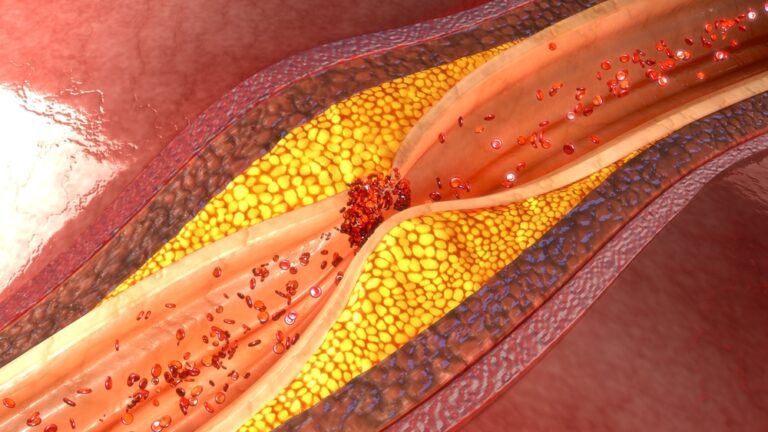
Breast arterial calcification means: Calcium has built up in the walls of those small arteries.
That’s it.
It does not mean:
- There’s a mass
- There’s a blockage
- There’s cancer
- Something is growing
It simply means the artery walls have hardened a bit.
Think of it like this:
Over time, soft rubber pipes can slowly become stiff.
BAC is that stiffness showing up on a mammogram.
The Important Part: This Is NOT a Blockage
There are two types of artery problems:
1. Blockages (the dangerous kind)
This happens when cholesterol builds up inside arteries and narrows them. That can cause heart attacks.
2. Stiffness (what BAC is)
With BAC, the artery walls become stiff — but not clogged.
Blood still flows.
That’s why:
- You don’t feel it
- It doesn’t cause breast pain
- It doesn’t need surgery
But stiffness still matters. Stiff arteries can raise blood pressure and strain the heart over time.
Why Does This Happen?
This isn’t random. It usually develops slowly over many years.
Your artery cells can start behaving a little like bone cells.
They begin laying down tiny calcium deposits.
This tends to happen more when the body is under long-term stress, such as:
- High blood sugar (diabetes)
- High blood pressure
- Kidney problems
- Hormonal changes after menopause
- Smoking
- Aging
It’s not caused by eating calcium.
Let’s say that clearly: Milk did not cause this.
How Does BAC Show Up on a Mammogram?
Radiologists recognize BAC right away.
It looks like:
- Thin, linear calcifications
- Parallel “tram-track” lines
- Tubular shapes following vascular anatomy
- Bilateral and symmetric
It follows the shape of blood vessels.
That pattern is very different from cancer-related calcifications, which usually look:
- Clustered
- Irregular
- Scattered
BAC has a predictable pattern.
That’s why doctors call it “benign.”
How Common Is It?
It’s actually pretty common.
- In women in their 40s → about 1 in 10
- In women in their 60s → up to 1 in 3 or even 1 in 2
- In women with diabetes → much more common
The older we get, the more likely it is to show up.
Should You Be Worried?
Short answer: No don’t panic. But don’t ignore it either.
Let’s separate facts from fear.
What BAC does NOT mean:
- Not breast cancer
- Not clogged arteries
- Not an emergency
- Not something that needs removal
What it CAN mean:
It may signal that your arteries are aging faster than expected.
Studies show women with BAC have about: 1.3 to 2 times higher risk of heart disease compared to women without it.
The Iribarren Study (Circulation, 2017):
This is one of the most frequently cited studies regarding BAC. It followed 12,761 women and found that those with BAC had a 1.32-fold (32% higher) increased risk of coronary heart disease. It also highlighted specific risks for other conditions: 1.44-fold risk for coronary heart disease mortality, and 1.52-fold risk for heart failure (Bui & Daniels, 2019; Polonsky & Greenland, 2017).
The Kataoka Study (AJR, 2006):
This study looked at 1,590 women and found even higher odds. Women with BAC had an age-adjusted odds ratio of 2.54 for having coronary heart disease compared to those without it (Kataoka et al., 2006).
That’s not extreme risk like uncontrolled diabetes — but it’s meaningful.
Think of BAC as a yellow light, not a red one.
Why This Matters More for Women
Heart disease is the number one cause of death in women.
The problem? Women are under-screened and underdiagnosed.
BAC can sometimes be the first visible clue that blood vessels are becoming stiff — years before symptoms appear.
Why Doctors Don’t Mention It
This part surprises many readers.
Radiologists are focused on finding cancer. If something is not cancer, it’s labeled “benign” and moves on.
There are currently no strict guidelines telling doctors to act on BAC.
So it gets:
- Noted
- Filed
- Forgotten
That doesn’t mean it’s dangerous.
It just means it isn’t part of routine heart screening yet.
What Mammogram Reports Usually Say
If you’re scanning your report, you might see phrases like:
- “Vascular calcifications noted”
- “Benign arterial calcifications”
- “No suspicious findings; vascular calcifications present”
That’s BAC.
It’s usually mentioned quietly, almost as a side note.
How Fast Does It Progress?
Very slowly.
This is a decades-long process.
If your:
- Blood pressure is controlled
- Blood sugar is stable
- Kidneys are healthy
- You don’t smoke
It may barely change for years.
If those factors are uncontrolled, it can progress faster.
Can It Be Reversed?
This is where honesty matters.
No — once calcium is in the artery wall, it doesn’t dissolve.
There’s:
- No pill to remove it
- No surgery to scrape it out
- No supplement that melts it away
It behaves more like bone than plaque.
But here’s the empowering part:
- You can slow it down.
- You can reduce heart risk.
- You can improve artery function.
Read also: 9 arterial calcification causes you shouldn’t ignore
What Should You Do If BAC Shows Up?
If you have no major risk factors: Focus on healthy lifestyle habits.
If you have:
- High blood pressure
- Diabetes
- Kidney disease
- Family history of heart disease
It’s worth discussing your heart risk with your physician.
You might review:
- Blood pressure
- Cholesterol
- Blood sugar
- Cardiovascular risk
Some people may benefit from a coronary calcium scan, but that’s individualized.
How to Reduce Risk
You can’t stop aging — but you can slow vascular aging.
Here’s what actually helps:
1. Control blood sugar. Even mild blood sugar spikes stress arteries.
2. Keep blood pressure in check. Consistently controlled pressure protects artery walls.
3. Exercise regularly. Aim for:
- 30 minutes most days
- Strength training twice weekly
Exercise keeps arteries flexible.
4. Eat for steady metabolism. Focus on:
- Vegetables
- Fiber
- Healthy fats
- Fewer ultra-processed foods
You do not need to cut out calcium.
5. Don’t smoke. Smoking dramatically speeds up artery damage.
6. Protect your kidneys. Drink more water and manage medical conditions.
What About Supplements?
Let’s clear this up:
- Calcium supplements: Not proven to cause BAC
- Vitamin D: Important for bones, not proven for BAC prevention
- Vitamin K: Promising but not proven
- Magnesium: Helpful for your health, not a cure
Supplements support your health — not solutions.
BAC vs Coronary Artery Calcium (CAC)
You might hear about a CAC scan. Here’s the difference:
| BAC | CAC |
|---|---|
| Seen on mammogram | Seen on CT scan |
| In breast arteries | In heart arteries |
| Found accidentally | Done intentionally |
| Suggests risk | Measures heart plaque directly |
BAC can sometimes prompt a CAC scan — but they are not the same thing.
The Big Picture
Breast arterial calcification is:
- Common
- Not cancer
- Not a blockage
- A possible early heart health signal
It’s not something to fear. It’s something to use.
Used wisely, BAC gives you something powerful:
- Time.
- Awareness.
- A chance to protect your heart before symptoms appear.
Final Takeaway
Breast arterial calcification (BAC) is not a diagnosis. It’s a message.
And when you understand the message, you can act early — long before problems start.