Arterial Stiffness vs Clogging: Which One Is Silently Killing You?
Arterial Stiffness vs Clogging: What’s The Difference?
Table of Contents
You could have damage in your arteries right now… and not even know it.
No pain.
No warning.
No clear symptoms.
That’s what makes this dangerous.
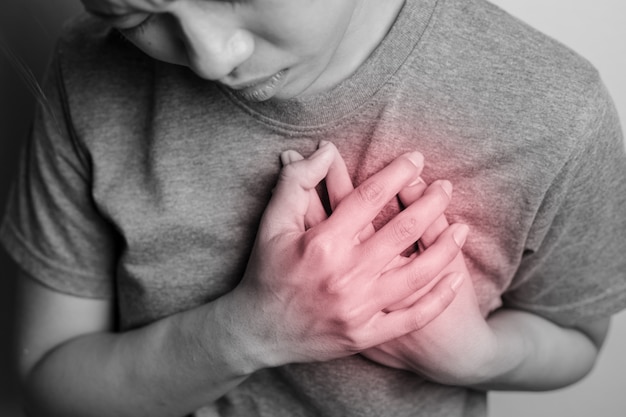
Most people only hear about artery problems when it’s too late—when someone has a Heart Attack.
But long before that happens, two silent problems are already developing:
- Arterial stiffness
- Arterial clogging
Here’s the problem:
- Most people think they are the same thing.
- They are not.
And if you don’t understand the difference, you might:
- Focus on the wrong solution
- Ignore early warning signs
- Miss the chance to prevent serious damage
This guide will make everything clear.
By the end, you’ll understand:
- What each condition really means
- What’s happening inside your body
- The early signs people ignore
- How to detect them
- And how to protect your arteries before it’s too late
The Simple Difference (Don’t Skip This)
Let’s make it very easy:
- Arterial stiffness means your arteries become hard and less flexible
- Arterial clogging is when your arteries become narrow or blocked inside
Think of it like this:
- If the water hose becomes hard and stiff, it can’t expand → that’s stiffness
- If dirt blocks the inside → that’s clogging
Both are bad—but in different ways.
What Is Arterial Stiffness?
Your arteries are supposed to be soft and stretchy.
Every time your heart beats:
- They expand
- Then relax
This helps blood flow smoothly.
What happens when arteries become stiff
When stiffness develops:
- Arteries stop stretching properly
- Blood pressure goes up
- Your heart has to work harder
That’s why arterial stiffness is linked to Hypertension.
What’s really happening inside
Inside your artery wall:
- A stretchy material called elastin breaks down
- A tougher material called collagen increases
- Your body produces less nitric oxide (this helps arteries relax)
- Inflammation damages the artery
After some time, your artery becomes:
- Less like a rubber band
- More like a hard pipe
What Is Arterial Clogging?
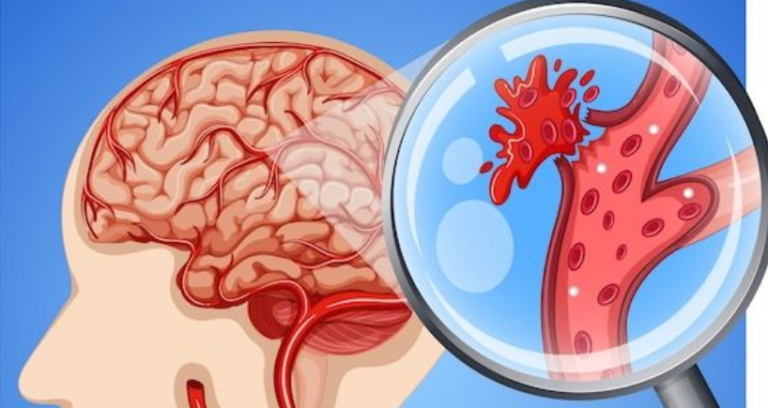
Arterial clogging happens when plaque builds up inside your arteries. This is called Atherosclerosis.
What plaque is made of
Plaque isn’t just fat—it’s a complex mix of:
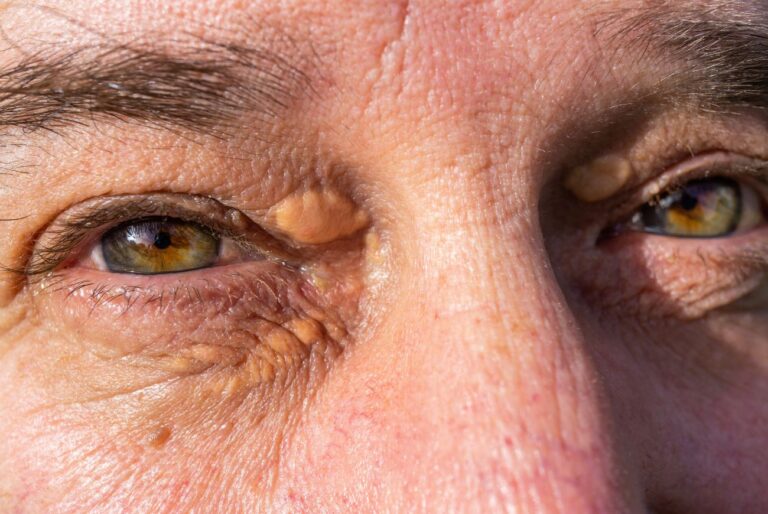
- LDL cholesterol
- Oxidized fats
- Calcium deposits
- Inflammatory cells
- Cellular waste
How clogging builds up
Let’s break it down simply:
- The inside of your artery gets damaged
- Cholesterol enters the wall
- It becomes oxidized
- Your body tries to fix it → causes inflammation
- This creates plaque
- The artery gets narrower
Why this is dangerous
- Less blood flows through
- Organs get less oxygen
- A blockage can suddenly happen
This can lead to Heart Attack and
Stroke.
Arterial Stiffness vs Clogging (Side-by-Side Comparison)
| Feature | Arterial Stiffness | Arterial Clogging |
|---|---|---|
| Main problem | Arteries become hard | Arteries get blocked |
| Where it happens | In the artery wall | Inside the artery |
| Blood flow | High pressure | Reduced flow |
| Symptoms | Hard to notice | More noticeable |
| Risk | Long-term damage | Sudden blockage |
Can You Have One Without the Other?
Yes—and this is important.
Stiff but not clogged
- Arteries are hard
- No major blockage yet
- Common with high blood pressure
Clogged but not very stiff (early stage)
- Plaque is forming
- Arteries may still be flexible
What usually happens
Over time: Stiffness and clogging start working together
- Stiff arteries get damaged easily
- Damage allows plaque to build
- Plaque makes arteries even stiffer
Early Warning Signs Most People Ignore
Signs of arterial stiffness
These are easy to miss:
- Rising blood pressure
- Headaches
- Feeling tired often
- Getting tired quickly when exercising
- Feeling your heartbeat strongly
Signs of arterial clogging
Depends on where the blockage is:
Heart:
- Chest discomfort
- Shortness of breath
Brain:
- Dizziness
- Confusion
- Vision problems
These can warn of a Stroke
Legs:
- Pain when walking
- Cold feet
- Slow healing wounds
How to Detect Arterial Damage Early
Most people wait for symptoms—but you don’t have to.
Tests for arterial stiffness
- Pulse Wave Velocity (PWV)
- Augmentation Index (AIx)
These measure how flexible your arteries are.
Tests for clogging
- Coronary Artery Calcium (CAC) Score
- Carotid ultrasound
- CT angiography
- Stress tests
These tests can detect problems years before symptoms appear.
How This Develops After Some time
This doesn’t happen overnight.
Typical pattern:
- 20s–30s → early damage starts
- 30s–40s → arteries begin to stiffen
- 40s–50s → plaque builds faster
- 50+ → symptoms appear
Bad habits can speed this up.
Who Is Most at Risk?
You are at higher risk if you have:
- Diabetes
- Hypertension
- High cholesterol
- Family history
- Poor diet
- Little exercise
Hidden Causes Most People Don’t Know
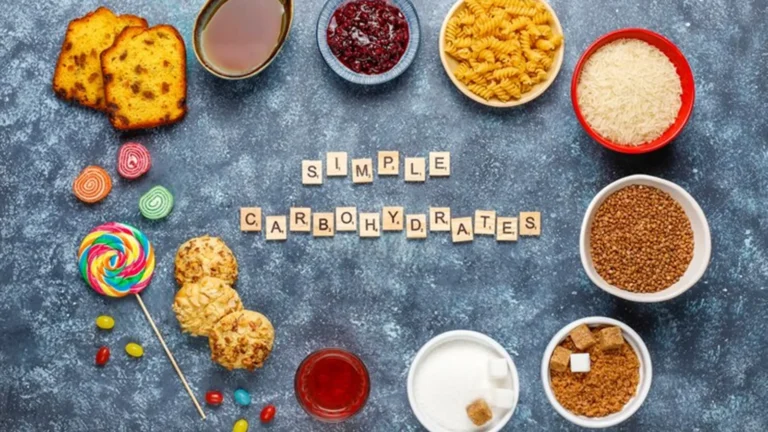
1. Too much sugar damages arteries and increases inflammation.
2. Chronic inflammation slowly damages blood vessels.
3. Poor sleep raises blood pressure.
4. Stress keeps your body in high pressure mode.
What You Can Do (Simple but Powerful)
1. Move your body. Walk daily and Exercise regularly.
2. Eat better. Choose whole foods and reduce processed food.
3. Sleep well (7–9 hours).
4. Manage stress. Relax and Take breaks.
5. Check your blood pressure, sugar and cholesterol level.
Quick Self-Check: Are Your Arteries at Risk?
Answer honestly:
- Do you have high blood pressure?
- Do you feel tired easily?
- Do you eat processed foods often?
- Do you exercise less than 3 times a week?
- Do you sleep poorly?
If you answered “yes” to 2 or more, your risk is higher than you think.
Can Arterial Damage Be Reversed?
Stiffness can often improve.
Clogging can be slowed.
The earlier you act, the better.
Read also: How to Reverse Arterial Stiffness (The Right Way)
Final Message (Don’t Ignore This)
You don’t suddenly get heart disease.
It builds slowly:
- First stiffness
- Then clogging
- Then a serious problem
The Bottom Line
- Stiff arteries = less flexible
- Clogged arteries = blocked
- Both together = high risk
The good news?
You can take control.
Start small. Stay consistent. Protect your heart.