Top 10 Foods That Lower Blood Pressure, According to Research
Top 10 Foods That Lower Blood Pressure, Backed by Clinical Trials
Table of Contents
High blood pressure is a problem for nearly half of all adults. Left unchecked, it increases your risk of heart attack and stroke. Medication helps. But the food you eat every day can also make a real difference.
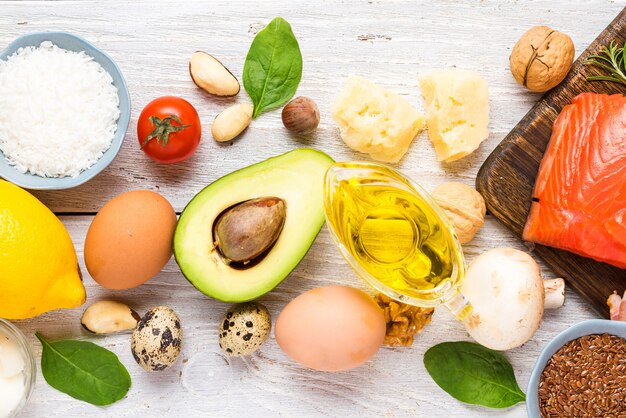
Research has found 10 foods that help bring blood pressure down: spinach, beet juice, blueberries, bananas, oats, garlic, mackerel, pomegranate, pistachios, and Greek yogurt. Every food on this list has been tested in proper clinical studies with actual numbers to back it up.
What do the numbers mean? Blood pressure is measured with two numbers. The systolic shows the pressure when your heart beats. The diastolic shows the pressure when your heart rests. A healthy reading is below 120/80 mmHg. High blood pressure starts at 130/80 mmHg and above. The foods in this post work best for people in the early stages of high blood pressure where eating well can sometimes keep medication off the table.
Quick Summary: How Much Each Food Helps
| Food | Top Number Drop | Bottom Number Drop | What Makes It Work |
|---|---|---|---|
| Spinach | ~3–4 mmHg | Small | Nitrates |
| Beet juice | −3.55 mmHg | −1.32 mmHg | Nitrates |
| Blueberries | Varies | Varies | Anthocyanins |
| Bananas | Depends on dose | Depends on dose | Potassium |
| Oats | −2.82 mmHg | Small | Beta-glucan fibre |
| Mackerel | ~1.5–4.5 mmHg | ~1–3 mmHg | Omega-3 fats |
| Garlic | −3.75 to −5.1 mmHg | −2.6 to −3.4 mmHg | Allicin |
| Pomegranate | −3.52 to −5.02 mmHg | −1.50 to −2.01 mmHg | Punicalagin |
| Pistachios | −2.12 to −2.89 mmHg | −0.80 mmHg | Potassium, healthy fats |
| Greek yogurt | −2.7 to −4.6 mmHg | −1.9 to −3.0 mmHg | Calcium, proteins |
Why Do These Foods Lower Blood Pressure?
They each work in one of three ways.
They relax your blood vessels. Spinach and beet juice are high in nitrate. Your body turns nitrate into a gas called nitric oxide. Nitric oxide tells your blood vessels to relax and open wider. When your vessels are wider, your heart does not have to push as hard, and pressure drops.
They help your kidneys flush out salt. Potassium found in bananas, pistachios, and yogurt helps your kidneys get rid of excess salt. Too much salt makes your body hold onto water, which pushes blood pressure up. More potassium helps reverse that.
They reduce damage to blood vessel walls. The natural compounds in blueberries, pomegranate, and garlic fight inflammation inside your blood vessels. This keeps vessel walls softer and more flexible, which makes it easier for blood to flow without high pressure.
Salt matters too. These foods work better when you also cut back on salt. Eating less than 1,500 mg of sodium per day can drop your systolic pressure by 5–6 mmHg on its own — as much as any single food on this list. Most hidden salt comes from packaged and processed foods, not the shaker on your table. Check labels and cook at home when you can. The foods below help most when your salt intake is already lower.
Top 10 Foods That Lower Blood Pressure
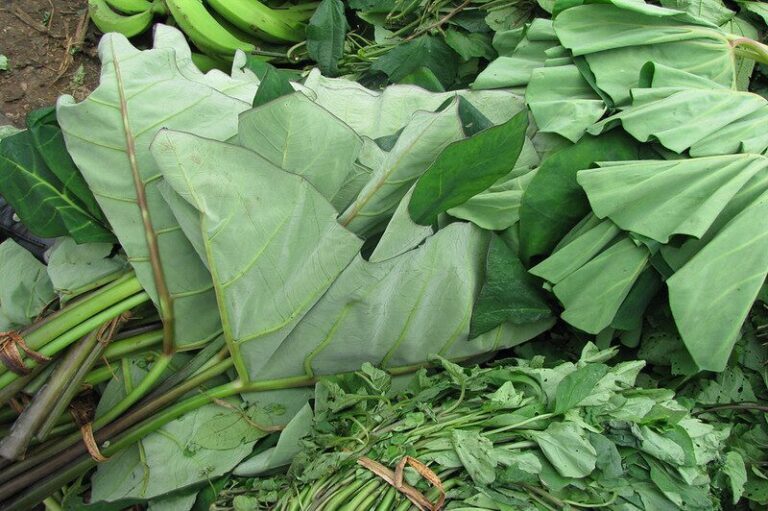
1. Spinach
What the Research Shows
Spinach is one of the best food sources of natural nitrate. In a study published in Clinical Nutrition Research, 27 adults ate either a spinach soup with 845 mg of nitrate per day for 7 days. The spinach group had better blood vessel readings and lower blood pressure than the control group. (Jovanovski et al., 2015)
A second study (Bondonno et al., 2012) found that eating spinach raised nitric oxide in the blood and improved blood flow through the arm artery — both signs of healthier blood vessels. (PubMed)
How Much to Eat
About 200–300 g of raw spinach per day gives you a useful nitrate dose. That is 3–4 large handfuls. Use it as a salad base, blend it into a smoothie, or cook it as a side dish. Cooked spinach loses a small amount of nitrate, but it still contains more than most other vegetables. Baby spinach and regular spinach work equally well. If you want variety, celery, rocket, and kale are also high in nitrate.
2. Beet Juice
What the Research Shows
Beet juice has more blood pressure research behind it than almost any other food. The results are consistent across dozens of studies.
A 2017 review of 22 clinical studies (1,248 people total) found beet juice lowered the systolic pressure by 3.55 mmHg and the diastolic pressure by 1.32 mmHg on average. (Bahadoran et al., 2017 — PubMed)
A separate review focused only on people who already had high blood pressure. It found the top number dropped by 5.31 mmHg — and the effect stayed strong for up to 90 days of regular use. (NMCD Journal, 2024)
Like spinach, it works through nitrate. Your body converts the nitrate in beet juice into nitric oxide, which relaxes your blood vessels and brings pressure down.
How Much to Eat
Most studies used 70–250 ml of concentrated beet juice per day — that is about 300–500 mg of nitrate. A 70 ml shot of concentrated beet juice usually covers this. If you prefer whole beets, you would need 2–3 medium beets per day, though the nitrate level in whole beets can vary. One tip: avoid antibacterial mouthwash right before drinking beet juice. Mouthwash kills the bacteria in your mouth that help convert nitrate into nitric oxide which reduces how well beet juice works.
3. Blueberries
What the Research Shows
Blueberries get their blue-purple colour from anthocyanins. These compounds help keep blood vessel walls healthy, reduce stiffness, and support better blood flow.
An 8-week study (Johnson et al., 2015) found that eating blueberries every day caused clear drops in both blood pressure numbers. Researchers linked this to softer, more flexible blood vessels. (Arshad et al., 2025 review)
The Honest Picture
Not every study agrees. A well-designed 6-month trial (Curtis et al., 2019) gave 1 cup of blueberries per day to people with metabolic syndrome. Their blood pressure did not change even though their cholesterol and blood vessel health improved. (PMC)
Blueberries seem to work best for people who already have high blood pressure, and the effects are stronger in shorter studies. If your blood pressure is only slightly high, blueberries may still be improving your heart health in ways the blood pressure reading does not capture.
How Much to Eat
Most studies used 1 cup (150 g) of whole blueberries per day. Fresh or frozen both work, the anthocyanin content is similar.
4. Bananas
What the Research Shows
Bananas are an easy way to get potassium, one of the most important minerals for blood pressure control. Here is how it works: potassium helps your kidneys get rid of sodium through urine. The more sodium your body holds onto, the higher your blood pressure climbs. More potassium helps push that sodium out.
A review of 32 studies published in the Journal of the American Heart Association (JAHA) found a clear link between more potassium in the diet and lower blood pressure with the biggest drops in people who already had high blood pressure. The review looked at potassium doses from 30 to 140 mmol per day across all the trials. (Poorolajal et al., 2020 — JAHA)
The Honest Picture
The benefit from potassium grows as intake goes up but only to a point. Very high potassium from supplements can become dangerous. Getting potassium from food, like bananas, is the safer and more practical approach.
How Much to Eat
One medium banana gives you about 422 mg of potassium. Most guidelines say adults need about 3,500–4,700 mg of potassium per day. Bananas alone will not get you there, pair them with other potassium-rich foods like beans, and sweet potatoes throughout the day.
5. Oats
What the Research Shows
The main reason oats help blood pressure is a type of soluble fibre called beta-glucan. When you eat oats, beta-glucan forms a thick gel in your gut that helps lower cholesterol and improve blood vessel health. Oats also contain other natural compounds that may contribute, though beta-glucan is the main driver.
A 2022 review of multiple studies found oats lowered the top number by 2.82 mmHg on average. The effect was strongest in people with high blood pressure and in those eating at least 5 g of beta-glucan per day. People with only mildly raised blood pressure saw smaller reductions. (JAND, 2022)
How Much to Eat
A 70 g serving of dry rolled oats gives you about 4–5 g of beta-glucan close to the amount that produced results in studies. One bowl of oatmeal in the morning is enough. Avoid instant oats with added sugar, which can work against the benefit. Rolled oats and steel-cut oats are both good choices.
6. Mackerel
What the Research Shows
Mackerel is an oily fish rich in omega-3 fats. These fats reduce inflammation in your blood vessels, help them stay flexible, and gently lower blood pressure over time.
A review of 71 studies (4,973 people) published in the Journal of the American Heart Association found the best results came from eating 2–3 g of omega-3 fats per day. People who already had high blood pressure got the biggest benefit. (Jing et al., 2022 — JAHA)
A separate review of 70 studies found omega-3 fats lowered the top number by 1.52 mmHg and the bottom number by 0.99 mmHg in people with normal blood pressure. In people with high blood pressure, the drops were much larger — 4.51 mmHg and 3.05 mmHg. (Frontiers in Pharmacology, 2022)
How Much to Eat
One 150 g mackerel fillet gives you 3–4 g of omega-3 fats, right in the range that studies found most effective. Two to three servings of oily fish per week is enough for most people. Salmon, herring, sardines, and anchovies are also good choices. Fish oil capsules are a reasonable alternative if eating fish several times a week is not practical. Note: plant sources of omega-3 like flaxseed and walnuts are a different type of fat that the body does not convert well, they are not as effective for blood pressure as oily fish.
7. Garlic
What the Research Shows
Garlic has been studied for blood pressure more than almost any other food on this list, and the results are strong.
A review of 17 studies found garlic lowered the systolic pressure by 3.75 mmHg and the bottom number by 3.39 mmHg compared to a dummy pill with very high statistical confidence. (Xiong et al., 2015 — PMC)
An older review (Ried et al., 2008) looked only at people with high blood pressure and found even bigger effects: 8.4 mmHg off the top number and 7.3 mmHg off the bottom number. (Ried et al., 2008 — PMC)
A 2025 review confirmed that aged garlic extract lowers blood pressure in people with hypertension, especially at doses above 1,200 mg per day. (PMC, 2025)
Garlic works because of a compound called allicin, which forms when garlic is crushed. Allicin helps blood vessels relax and blocks a chemical in the body that normally tightens them. This is the same mechanism used by a common class of blood pressure medicines.
How Much to Eat
Most studies used the equivalent of 1–2 raw garlic cloves per day. Cooking destroys much of the allicin, so raw garlic gives you more of the active compound. If you chop and wait 10 minutes before cooking, you preserve more allicin than if you cook it straight away. Aged garlic extract capsules are the most studied supplement form and are gentler on the stomach than raw garlic.
8. Pomegranate
What the Research Shows
Pomegranate is rich in punicalagin that help keep blood vessel walls healthy. They work in a similar way to some blood pressure medicines by relaxing the chemical signals that cause vessels to tighten.
A review of 14 studies (573 people) found that pomegranate juice lowered the top number by 5.02 mmHg. The effect was strongest in studies that ran for 2 months or less. (Sahebkar et al., 2023 — PubMed)
A larger 2026 review of 33 studies (1,490 people) found a drop of 3.52 mmHg in the top number and 1.50 mmHg in the bottom number, plus lower levels of two key markers of inflammation in the blood. (Scientific News, 2026)
How Much to Eat
Most studies used 240 ml (1 cup) of pure pomegranate juice per day. Be careful with commercial pomegranate juices, many are diluted, which can reduce the benefit. Look for 100% pomegranate juice with no added ingredients. Whole pomegranate seeds are a good lower-sugar option.
9. Pistachios
What the Research Shows
Among all the nuts that have been tested in blood pressure studies, pistachios come out on top of the list. They contain potassium, magnesium, healthy fats, and plant sterols — a useful combination that works through several routes at once.
A review of 13 studies (563 people) found pistachios reduced the systolic pressure by 2.12 mmHg. (Fogacci et al., 2020 — British Journal of Nutrition)
A review that compared different types of nuts across 21 studies found pistachios had the biggest effect, dropping the top number by 1.82 mmHg and the diastolic by 0.80 mmHg. No other nut came close. (Mohammadifard et al., 2015 — ScienceDirect)
A third review focused on people with metabolic syndrome found pistachios reduced the systolic pressure by 2.89 mmHg across 17 studies and 940 people. (PubMed, 2022)
How Much to Eat
Most studies used 28–85 g of pistachios per day, one to three small handfuls as a snack, replacing less healthy options like biscuits. Unsalted pistachios are the obvious choice here. Salted versions add sodium, which works against the goal.
10. Greek Yogurt
What the Research Shows
Greek yogurt helps blood pressure in two ways. First, it contains proteins made during the fermentation process that mildly block the same chemical that raises blood pressure, the one that blood pressure medicines also target. Second, yogurt is rich in calcium, magnesium, and potassium, which all help keep your blood vessels relaxed.
The DASH trial — the most-cited study on diet and blood pressure ever done found that including 3 servings of low-fat dairy per day lowered the systolic pressure by 2.7 mmHg and the diastolic by 1.9 mmHg over 8 weeks in 459 adults with increased blood pressure. (INTERMAP study — PMC)
A separate study in overweight adults found that eating more dairy up to 6 servings per day lowered the systolic pressure by 4.6 mmHg and the bottom by 3.0 mmHg compared to a low-dairy diet. The researchers linked most of this benefit to higher calcium intake. (Rietsema et al., 2019 — PMC)
How Much to Eat
The DASH trial used 2–3 low-fat dairy servings per day. One serving of Greek yogurt, about 170–200 g gives you 200–250 mg of calcium plus potassium and magnesium. Choose plain greek yogurt over flavoured varieties, flavoured versions have a lot of added sugar, which can push blood pressure in the wrong direction. Full-fat Greek yogurt still has the same minerals but contains more saturated fat, so low-fat is the better choice here.
How Long Before You See Results?
It depends on which food you eat.
Within hours: Beet juice and spinach can lower blood pressure within 2–3 hours of eating them. This happens because nitrate turns into nitric oxide quickly. But the effect is short-lived, you need to keep eating them daily to maintain the benefit.
4–8 weeks: Blueberries and oats work more slowly. The changes build up gradually as your blood vessels become healthier over time.
8–12 weeks: Garlic takes the longest. Most garlic studies run for 8–12 weeks before significant drops appear. Pomegranate and pistachios work on a similar timeline.
As little as 2 weeks: The full DASH eating plan which includes many of the foods on this list showed clear results in just two weeks in the original trial. That is the fastest result of any whole diet approach ever recorded. It is the best argument for eating several of these foods together rather than relying on just one.
Foods With Uneven Evidence
Two foods on this list are worth an honest note:
Blueberries work better in people who already have high blood pressure. A well-run 6-month study (Curtis et al., 2019) found no blood pressure change after 1 cup of blueberries per day, even though the participants’ cholesterol and blood vessel health improved. The blood vessel benefit seems real. The blood pressure drop is less reliable.
Oats show a clear effect when you eat at least 5 g of beta-glucan fibre per day and your blood pressure is already high. A 2025 study in people with only mildly raised blood pressure found no effect at smaller doses. How much you eat and your starting blood pressure both matter.
Neither food is off the list but their results depend more on your personal situation than foods like beet juice.
How Food Compares to Medication
To put things in perspective: a standard blood pressure pill lowers the top number by 10–15 mmHg. The full DASH eating plan reduces it by 8–14 mmHg in people with high blood pressure.
Individual foods on this list typically drop the top number by 2–5 mmHg. That sounds small but it is not trivial. Research shows that a 3 mmHg drop in the top number across a large population would reduce stroke deaths by about 8% and heart disease deaths by about 5%.
Food works best as a foundation alongside less salt, regular movement, and a healthy weight. It is not a replacement for medication your doctor has prescribed.
A Sample Day Using These Foods
You do not need all 10 foods every day. But combining several of them in one day is easier than most people think. Here is what that could look like:
Breakfast: A bowl of oat porridge with 1 cup of blueberries and a sliced banana, you get 4–5 g of beta-glucan fibre, blood pressure–friendly pigments, and about 700 mg of potassium in one meal.
Mid-morning snack: A small handful of unsalted pistachios (30 g) — potassium, magnesium, and healthy fats.
Lunch: A large spinach salad (200 g) with lemon dressing — a good natural nitrate dose without any supplement.
Afternoon snack: 170 g of plain Greek yogurt — calcium, potassium, and fermented proteins.
Dinner: A grilled mackerel fillet (150 g) with roasted vegetables — 3–4 g of omega-3 fats in one sitting.
With dinner: A 70–100 ml shot of concentrated beet juice, a fast nitric oxide boost.
Optional: Crush 1–2 garlic cloves into your salad dressing. It needs 8 weeks of daily use to affect blood pressure, but it is easy to add if you are already cooking.
This day covers all the main ways these foods work, and it uses no special supplements or hard-to-find ingredients.
Foods That Push Blood Pressure Up
Adding good foods only helps so much if you are also eating things that raise your blood pressure. Here are the four biggest dietary culprits:
Salty and processed foods. Salt raises blood pressure faster than almost anything else. The main source is not your salt shaker, it is the hidden sodium in processed meats, canned soups, fast food, bread, and sauces. A can of tomato soup contain 700–1,000 mg of sodium. Keeping your daily total under 1,500–2,300 mg is the most well-supported dietary change for high blood pressure.
Alcohol. Drinking more than the recommended limit raises blood pressure consistently. The AHA recommends no more than one drink per day for women and two for men. Above that, alcohol also makes blood pressure medication less effective. A review in the Lancet Public Health found that cutting back on alcohol can lower the systolic pressure by up to 5 mmHg, similar to many of the foods on this list.
Sugary drinks. Sodas, energy drinks, sweet teas, and even fruit juices contribute to weight gain, which raises blood pressure. Sugar also appears to have a direct effect: a 2019 study found that women who cut just 2.3 teaspoons of sugar per day saw a measurable drop in blood pressure.
Red and processed meat. The saturated fat in red meat affects chemical signals in the body that raise blood pressure. Processed meats like sausages, ham, and bacon add the extra problem of high sodium. Replacing some red meat with fish, chicken, or plant-based protein fits every major evidence-based eating plan for high blood pressure.
If You Take Blood Pressure Medication
A few everyday foods can interfere with BP medicines. These are worth knowing even if you are only making small diet changes:
Grapefruit slows down how fast the body clears some blood pressure medications, particularly calcium channel blockers like amlodipine. This can push drug levels higher than expected. Even a small glass of grapefruit juice can change how the medicine works.
Liquorice root — found in some herbal teas and natural sweets contains glycyrrhizin that causes your body to hold onto sodium and lose potassium. This directly works against the effect of several BP medicines, including ACE inhibitors and water tablets.
High-potassium foods like bananas, spinach, and yogurt are good for blood pressure in most people. But if you take a water tablet that keeps potassium in the body like spironolactone, your doctor may want to monitor your potassium levels because these drugs already increase potassium, and combining them with very high potassium intake needs watching.
Always talk to your doctor before making significant changes to your diet if you are on prescribed medication.
Other Foods With Early Evidence
These foods are not on the main list yet — but early research suggests they may help:
| Food | What the Research Suggests | Active Compound |
|---|---|---|
| Citrus fruits | A large study (187,000+ people) linked eating ~4 oranges per day to lower blood pressure | Flavonoids, potassium, vitamin C |
| Broccoli | A 2024 study of 8,010 people found higher intake of broccoli flavonoids was linked to lower risk of high blood pressure | Flavan-3-ols |
| Dark chocolate (70%+ cocoa) | Several small studies show a modest drop in the top number; the size of the effect is still debated | Cocoa flavanols |
| Olive oil | Mediterranean diet studies show blood pressure benefits; the active compounds appear to be oleic acid and plant polyphenols | Oleic acid, oleuropein |
None of these have as much evidence behind them as garlic yet. But all four fit naturally into a blood pressure–friendly eating pattern.
Frequently Asked Questions
Which food lowers blood pressure the fastest?
Beet juice works fastest. The nitrate in beet juice turns into nitric oxide within 2–3 hours, which relaxes your blood vessels and lowers the top number measurably. Studies have shown this after a single dose. Garlic is at the other end, it takes 8–12 weeks of daily use before you see a real effect.
Can eating well alone control high blood pressure?
If your blood pressure is in the Stage 1 range (130–139 over 80–89), diet and lifestyle changes especially the full DASH eating plan combined with less salt, more movement, and a healthy weight can sometimes bring it down to a healthy level without medicine. If your blood pressure is Stage 2, diet alone is usually not enough and medication is needed alongside it.
How long does it take for diet to lower blood pressure?
It depends on the food. Beet juice and spinach can show effects the same day. Garlic needs 8–12 weeks. The full DASH diet showed results in as little as 2 weeks in the original trial. For most dietary changes, 8–12 weeks of consistent effort is when meaningful results become measurable.
Is beet juice or garlic better?
They work in different ways. Beet juice works fast, it relaxes blood vessels quickly through nitric oxide but the effect wears off if you stop drinking it. Garlic works slowly, it gradually reduces the tightening signals in your blood vessels over weeks. The biggest drops in blood pressure seen in studies come from garlic. Beet juice shows more consistent results across a wider range of people.
Are supplements as good as eating these foods?
For most of these, food is better. Potassium from food is safer than potassium pills, too much from supplements can be harmful if you have kidney problems. Garlic extract is the exception: aged garlic capsules are well-studied, easy to take, and give a consistent daily dose that is hard to match through food alone. For omega-3 fats, fish oil capsules are a practical substitute if eating oily fish several times a week is not realistic, the evidence for blood pressure is similar either way.
Does exercise make these foods work better?
Yes. Regular aerobic exercise on its own lowers the systolic pressure by 4–9 mmHg. Combined with a blood pressure–friendly diet, the effect is greater than either alone. A 30-minute brisk walk most days of the week is enough to get most of the exercise benefit for blood pressure. Strength training also helps, though its effect is slightly smaller than aerobic exercise.
The Bottom Line
The 10 foods with the best research behind them for lowering blood pressure are spinach, beet juice, blueberries, oats, bananas, oats, mackerel, pomegranate, garlic, pistachios, and Greek yogurt. The drops they produce 2 to 8 mmHg on the systolic pressure are real. They are not as powerful as medication, but they are not trivial either. The best approach is to eat several of these foods regularly as part of a balanced diet, cut back on salt, and stay active. No single food will do it alone.