My Friend Jake Asked: Do Eggs Raise Cholesterol Level? Here’s What Really Happened
Do Eggs Raise Cholesterol Level? Jake Had High Blood Pressure and Still Ate Them—Here’s What Happened
Table of Contents
It’s strange how something as small as an egg can cause such a big debate.
Some people say eggs are bad for your heart, while others say they’re one of the healthiest foods you can eat.
So what’s the real story—especially if you have high blood pressure and cholesterol problems?
For years, people thought that eggs were bad for the heart because they believed eggs raised cholesterol and caused heart problems.
But recent science says otherwise, and if you’re managing high blood pressure, the real question isn’t “Are eggs bad for me?” — it’s “How do I make them work for my health?”
Let me tell you about my friend jake, a patient who found that adding eggs to his diet actually helped him feel better and improve his numbers.
Jake’s Story: How Eggs Helped Him Get Healthier
It’s funny how sometimes the simplest changes can make the biggest difference, and for Jake, getting his blood pressure under control started with something as simple as an egg.
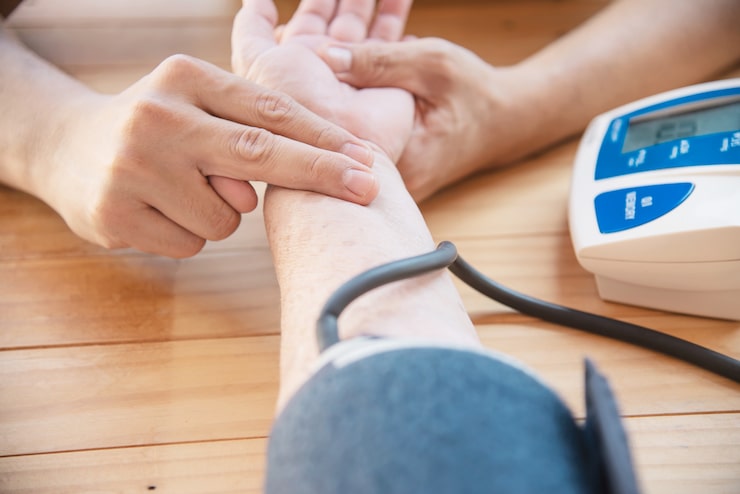
When he first came to the lab that Tuesday morning, his blood pressure was consistently high—I remember it was something like 145/95. He was already taking medication, but he wanted to do more, to really take charge of his health.
That’s when we started talking about food, and I remember suggesting eggs.
He looked a bit surprised, probably thinking about all those old stories about eggs and cholesterol, but I explained how recent research shows they can be good for his heart and help with his high blood pressure, especially when eaten as part of a balanced diet.
Jake’s Journey with Eggs
Jake is a practical guy, and after our chat, he decided to give it a shot. He didn’t go crazy, but he made smart changes.
Instead of his usual sugary breakfast cereal, which he admitted was often a bowl of cornflakes, he started making two scrambled eggs with a handful of fresh spinach and a tiny sprinkle of black pepper. He told me he’d sometimes add a few slices of avocado for healthy fats.
On busy mornings, he’d boil three eggs on Sunday night to have ready for quick grab-and-go breakfasts or snacks throughout the week.
He even got creative, telling me how he’d chop up a hard-boiled egg and toss it into his lunchtime salad instead of the usual processed deli meat. What I really liked about Jake’s approach was that it wasn’t about giving up everything he enjoyed.
He wasn’t saying goodbye to his favorite waakye entirely, but he was making smarter choices around it, like opting for less oil and more salad.
He told me he felt more energetic and that the protein in the eggs kept him feeling fuller for longer, so he wasn’t reaching for snacks like fried pastries by mid-morning. He noticed this when he was under pressure at work.
More Than Just Eggs: A Holistic Approach
Of course, it wasn’t just the eggs. I also suggested some bigger changes to his diet. We talked about cutting back on processed foods—things like instant noodles and heavily salted snacks—and focusing on whole, natural ingredients.
He started following ideas from the DASH diet, which isn’t really a strict diet but more of an eating plan that focuses on fruits, veggies, whole grains, and lean proteins, while cutting down on salt, added sugars, and unhealthy fats.
For example, he started snacking on an apple instead of chips, and he swapped sugary soft drinks for water infused with slices of cucumber and lemon.
He even started using more herbs and spices to flavor his food instead of relying solely on salt.
When he came back for his follow-up appointment three months later, I could really see the change.
His blood pressure numbers had come down significantly, consistently hovering around 125/80. He looked healthier, more relaxed, and he had a genuine smile.
He told me, with a big grin, that the eggs were a simple but effective start.
It showed him that managing his blood pressure wasn’t about huge, impossible changes, but about making consistent, smart choices, one healthy meal at a time.
He wasn’t giving up everything—he still enjoyed his favorite waakye on weekends—but made thoughtful changes, using less oil and loading up on veggies.
The results? He felt fuller, snacked less, and even had more energy at work.
Are Eggs Bad for Cholesterol and Blood Pressure?
Let’s get the facts straight.
Dietary Cholesterol vs. Saturated Fat. Eggs do contain cholesterol—about 186 mg in a large egg, mostly in the yolk.
But research now shows that for most people, dietary cholesterol has less effect on blood cholesterol than saturated fat.
It’s the saturated fat in your diet that is more likely to raise LDL (bad) cholesterol.
Here’s a comparison chart showing how different foods affect LDL cholesterol:
| Food Type | Saturated Fat Content | Effect on LDL Cholesterol | Notes |
|---|---|---|---|
| Butter (1 tbsp) | High | 🔺 Significant Increase | Rich in saturated fat |
| Fatty Red Meat (e.g. ribeye steak) | High | 🔺 Significant Increase | Linked to higher heart disease risk |
| Processed Meats (e.g. sausage) | High | 🔺 Moderate to High Increase | Often high in sodium too |
| Whole Eggs (1 large) | Low | ➖ Mild/No Significant Effect | Affects LDL minimally for most people |
| Boiled/Pouched Eggs | Low | ➖ Often neutral | Healthier prep than fried or cheesy eggs |
| Omega-3 Eggs | Low + healthy fats | 🔽 May slightly improve LDL:HDL ratio | Rich in anti-inflammatory fats |
| Avocado (1/2 fruit) | Healthy fats only | 🔽 Can lower LDL | Great paired with eggs for heart health |
What the Research Says
- A big review of several studies, published in 2020 in The American Journal of Clinical Nutrition, looked at how eating eggs affects your heart. What they found was that, if you eat a moderate amount of eggs—that’s about one egg a day or less—it doesn’t seem to increase your risk of heart disease [1].
- A 2021 study in hypertension looked into whether eating eggs really affect blood pressure. What they found was that eating eggs doesn’t raise blood pressure. In fact, if you’re eating a healthy diet, eggs might even offer some protection for your heart [2].
- The experts at Harvard’s T.H. Chan School of Public Health say that eggs are good for your heart, as long as you don’t eat too many.
Further Reading: NIH on Dietary Cholesterol
Harvard Health: Are Eggs Good or Bad for My Cholesterol?
Eggs and Blood Pressure: What’s the Link?
If you have high blood pressure, you may also worry that eggs could worsen your condition. Numerous studies have looked into the link between egg consumption, cholesterol, and blood pressure. Here’s what I’ve learned:
1. A 2022 review in the Journal of the American College of Nutrition found that moderate egg consumption does not increase blood pressure.
This study included 748 participants across 15 randomized controlled trials. Participants in these trials consumed 1 to 3 whole eggs per day for durations ranging from 3 to 12 weeks. The main finding was that egg consumption had no significant effect on either systolic or diastolic blood pressure in adults [3].
2. Egg whites contain ovokinin that may have mild blood pressure-lowering effects [4]. Here’s one study that discuss ovokinin and its antihypertensive properties:
Designing Potent Derivatives of Ovokinin (2-7), an Anti-hypertensive Peptide Derived from Ovalbumin” by Matoba et al. (2001) in Bioscience, Biotechnology, and Biochemistry.
This study discusses the isolation of ovokinin and ovokinin(2-7) from ovalbumin and their hypotensive activity in spontaneously hypertensive rats. The study didn't involve subjects eating whole eggs. Instead, they investigate purified ovokinin, synthetic ovokinin analogues like novokinin. The primary subjects used are spontaneously hypertensive rats (SHRs), a common animal model for high blood pressure. These subjects were given measured doses of 0.3 mg/kg to 10 mg/kg of the purified ovokinin (Matoba et al.2001), this is a highly concentrated form. When administered to these animal models, ovokinin and its potent derivatives consistently lowered systolic blood pressure.
3. A 2021 Korean cohort study found that eating 4–6 eggs per week doesn’t seem to raise blood pressure and may even be protective in some people [5].
This study looked at how Koreans eat eggs and what effects that has on their health. One relevant study on the Dietary modulation for the hypertension risk group in Koreans [6], used 5,342 Korean participants (roughly half male, half female) from a local community. On average, subjects consumed about 21-23 grams of eggs per day, which is less than half an egg. The main goal of the study wasn't about eggs, though. It was actually looking at how different eating styles (like Korean, Western, or New diet) related to high blood pressure. Even though the study collected information on how many eggs people ate, it found that egg consumption wasn't a major reason why some people had different blood pressure levels.
In short, for most healthy people—and even many with high blood pressure—eating eggs in moderation is not bad and might actually be good when part of a balanced diet.
How Many Eggs Are Safe If You Have High Blood Pressure?
The American Heart Association (AHA) suggests:
- 1 egg per day is safe for most people, including those with high blood pressure and cardiovascular risk.
- If you eat other sources of cholesterol (like red meat, full-fat dairy), you may want to limit eggs to 3–4 per week.
- Egg whites can be consumed freely—they have no cholesterol and are packed with protein.
Healthier Egg Choices: Not All Eggs Are Equal
Which types of eggs are good for the heart? If you have the choice, go for these types:
| Type of Egg | Health Advantage |
|---|---|
| Regular | Standard nutrition |
| Free-Range | Better fat profile due to natural diet |
| Organic | No antibiotics or GMOs |
| Omega-3 Enriched | Fortified with heart-protective omega-3 fats |
| Pasture-Raised | Highest in vitamin D and omega-3s |
When possible, go for omega-3 enriched or pasture-raised eggs—they tend to support cardiovascular health better.
Cooking Matters: Oil Choices Make a Difference
The way you cook your eggs matters just as much as the eggs themselves.
Avoid:
- Butter
- Margarine
- Palm oil
Better Options:
- Olive oil – rich in monounsaturated fats
- Avocado oil – stable at high heat
- Boiling – oil-free method
Tip: Skip frying your eggs in margarine or bacon grease. That defeats the purpose.
What to Eat With Eggs to Keep Your Heart Healthy
Eggs work best when part of a balanced plate. Add foods that keeps your blood pressure and cholesterol level in check.
Synergistic Food Pairings:
- Avocado – potassium + healthy fats
- Spinach – rich in magnesium
- Oats – fiber helps lower LDL
- Tomatoes, onions, bell peppers – antioxidant-rich
Example: Boiled eggs + sautéed spinach + avocado + whole grain toast = heart-smart breakfast
Can Eggs Fit Into Special Diets?
Yes! Eggs can be part of different healthy eating styles. Here’s how:
| Diet | How Eggs Fit In |
|---|---|
| DASH Diet | A great source of protein, low in salt |
| Mediterranean | Often eaten with olive oil, veggies, and herbs |
| Low-Carb Diet | Great low-carb, high-protein option |
| Plant-Based | Use egg alternatives like tofu or flax eggs |
What About Fried Eggs with Bacon or Cheese?
Let’s be honest—it’s not the egg that’s the issue, it’s the company it keeps.
- Scrambled with cheese = extra saturated fat
- Fried with bacon = high sodium and saturated fat
- Boiled = best options for heart health
Try This Instead:
- Scramble with spinach, onions, tomatoes
- Add herbs like parsley, turmeric, or black pepper
- Use a dash of olive oil spray if frying
Takeaway: It’s Not About Perfection. It’s About Progress.
Jake didn’t try to change everything all at once. He just started with eggs—and kept building from there. By staying consistent, being patient, and making better choices, he improved his health and turned his life around. If you have high blood pressure and concerns about cholesterol, don’t be afraid of the egg. Focus instead on how you prepare it, what you eat with it, and how it fits into your whole lifestyle.
Takeaway Tips:
- Up to 1 whole egg per day is safe for most people with high blood pressure
- Choose boiled, poached, or olive-oil-cooked options
- Pair with fiber, potassium-rich foods, and heart-healthy fats
- Avoid adding processed meats
- Choose pasture-raised eggs when you can
References:
- Effects of Egg Consumption on Blood Pressure
- The truth about eggs and cholesterol
- Understanding dietary cholesterol
- Egg consumption and risk of cardiovascular disease: three large prospective US cohort studies, systematic review, and updated meta-analysis
- Egg and Dietary Cholesterol Consumption and Mortality Among Hypertensive Patients: Results From a Population-Based Nationwide Study
- Effect of Egg Consumption on Blood Pressure: A Systematic Review and Meta-analysis of Randomized Clinical Trials
- Designing Potent Derivatives of Ovokinin(2-7), an Anti-hypertensive Peptide Derived from Ovalbumin” by Matoba et al. (2001) in Bioscience, Biotechnology, and Biochemistry.
- Relationship between Egg Consumption and Body Composition as Well as Serum Cholesterol Level: Korea National Health and Nutrition Examination Survey 2008–2011
- Dietary modulation for the hypertension risk group in Koreans: a cross-sectional study