How to Reverse Arterial Stiffness (The Right Way)
How to Reverse Arterial Stiffness (Step-by-Step)
Table of Contents
If your systolic blood pressure keeps slowly going up…
If your doctor has mentioned “vascular aging”…
If someone told you your arteries are stiff…
You don’t need vague advice like “eat better” and “exercise more.”
You need to understand what’s actually happening inside your body — and what you can realistically do about it.
Arterial stiffness is not just “getting older.”
It is a real, measurable change happening inside your blood vessels.
And in many cases, it can improve — sometimes more than people think.
The real question is not:
Can arterial stiffness be reversed?
The better question is:
What kind of stiffness do I have — and what should I do specifically?
Let’s break this down clearly.
What Is Arterial Stiffness — Really?
Your arteries are like flexible rubber tubes designed to expand with each heartbeat.
Every time your heart beats, healthy arteries:
- Stretch to absorb pressure
- Hold some of that energy
- Bounce back to help push blood forward
This protects your heart.
This protects your brain.
This keeps blood flowing smoothly.
Why are arteries flexible?
Because they contain two key building blocks:
- Elastin → lets them stretch and snap back
- Collagen → gives strength and structure
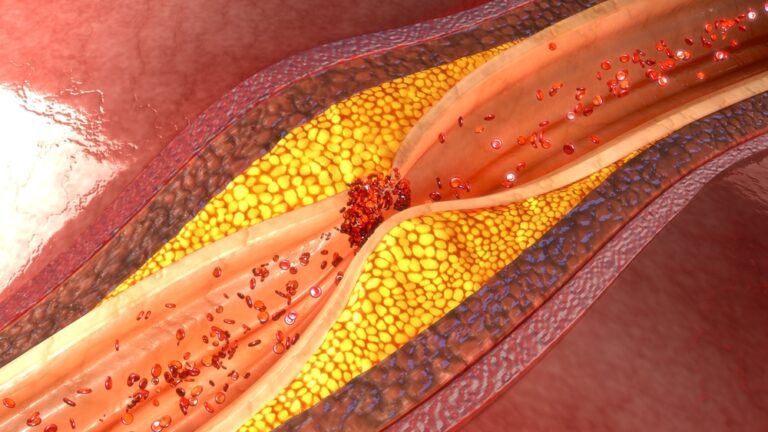
When arteries become stiff, several things happen:
- Elastin starts to break down
- Collagen increases
- Sugar sticks to collagen and makes it hard
- Calcium builds up in the artery wall
- Nitric oxide drops
And the result?
- Higher top blood pressure number
- Bigger gap between top and bottom numbers (pulse pressure)
- Your heart has to work harder
- Your stroke risk increases
How Is Arterial Stiffness Measured?
The gold standard is: Pulse Wave Velocity (PWV)
The faster the pulse wave travels, the stiffer the artery.
Other tools include:
- Central blood pressure
- Carotid intima-media ultrasound
- Coronary calcium score
- Pulse pressure (systolic – diastolic)
If your systolic pressure is rising while diastolic pressure stays normal, stiffness may already be developing.
Arterial Stiffness vs Plaque vs Calcification
Many people confuse these.
Here’s the difference:
| Condition | What It Means | Can It Improve? |
|---|---|---|
| Arterial Stiffness | Arteries lose flexibility | Partially reversible |
| Atherosclerosis | Fatty plaque builds inside arteries | Can slow down |
| Arterial Calcification | Calcium hardens artery walls | Can slow, rarely fully reverse |
They can happen together — but they are not the same thing.
What Actually Causes Arteries to Become Stiff?
Let’s make the science easy.
1. High Blood Pressure
Every time your blood pressure spikes, it stretches the artery wall.
Over time, elastin fibers get damaged and don’t repair well.
Long-term high blood pressure speeds up stiffening.
2. Sugar Damage (AGE Formation)
When blood sugar is high, sugar sticks to collagen.
This forms harmful compounds called AGEs (advanced glycation end products).
AGEs make collagen stiff and hard.
This is why diabetes greatly increases arterial stiffness.
3. Chronic Inflammation
Inflammatory cytokines release enzymes that degrade elastin.
Higher CRP levels mean stiffer arteries.
High CRP = faster arterial aging.
4. Nitric Oxide Deficiency
Nitric oxide keeps arteries relaxed.
When nitric oxide drops, arteries stay tighter than they should.
5. Hormonal Changes
After menopause, estrogen drops — and estrogen protects blood vessels.
In men, low testosterone is also linked to stiffer arteries.
Hormones matter more than people realize.
6. Calcification
After long periods, calcium deposits form in artery walls.
This makes them physically harder.
This type improves more slowly — but progression can still be reduced.
Read also: 9 Arterial Calcification Causes You Shouldn’t Ignore
7. Poor Sleep & Chronic Stress
Not sleeping enough increases stress hormones like cortisol.
High cortisol keeps blood vessels tighter.
Sleeping less than 6 hours regularly is linked to stiffer arteries.
Can Arterial Stiffness Be Reversed?
It depends on stage. There are two types:
Functional Stiffness (Highly Reversible)
This happens when:
- Blood vessels aren’t relaxing properly
- Inflammation is high
- Nitric oxide is low
This type can improve in 4–8 weeks with the right changes.
Structural Stiffness (Partially Reversible)
This happens when:
- Collagen has changed long-term
- Blood pressure has been high for years
- Calcification is present
Improvement takes longer — but even small changes lower heart and stroke risk.
Even partial improvement matters.
The Right Way to Reverse Arterial Stiffness
Now let’s get practical.
STEP 1: Restore Nitric Oxide (Fastest Improvement)
What to do:
Walk 30–45 Minutes Daily
- Moderate intensity
- 5–6 days per week
- Slightly out of breath but able to talk
Within 4–8 weeks, endothelial function improves measurably.
Eat Nitrate-Rich Vegetables Daily
Include at least one:
- Spinach
- Beetroot
- Arugula
- Lettuce
These convert to nitric oxide in your body.
Avoid Overusing Antibacterial Mouthwash
It easily kills bacteria needed for nitrate conversion.
STEP 2: Lower Blood Pressure Safely
Target (if appropriate): ~120/80 mmHg.
Follow the DASH diet.
Specific actions:
- Sodium <2,300 mg/day
- 5–10% weight loss
- 7–8 hours sleep
- Stress reduction
Even a 10 mmHg drop significantly reduces arterial strain.
STEP 3: Stop Sugar-Driven Collagen Stiffening
Keep fasting blood glucose under 100 mg/dL (5.6 mmol/L), and HbA1c <5.7% (if possible).
Do This:
- Walk 10–15 minutes after meals
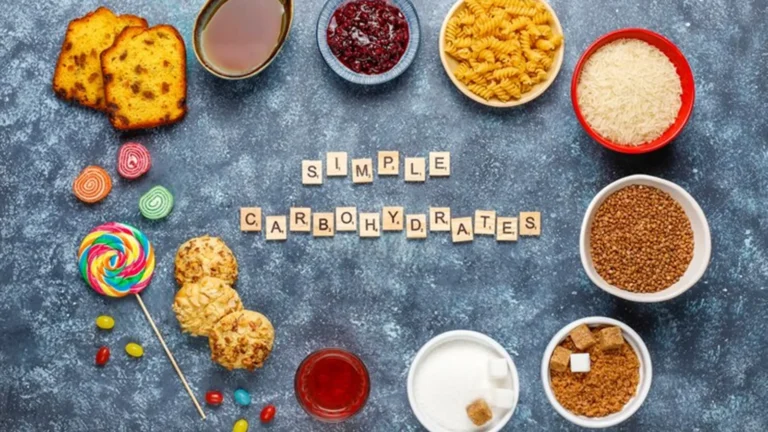
- Reduce refined carbohydrates
- Avoid sugary beverages
- Use steaming/boiling instead of frying
This reduces formation of AGEs.
STEP 4: Reduce Inflammation at the Root
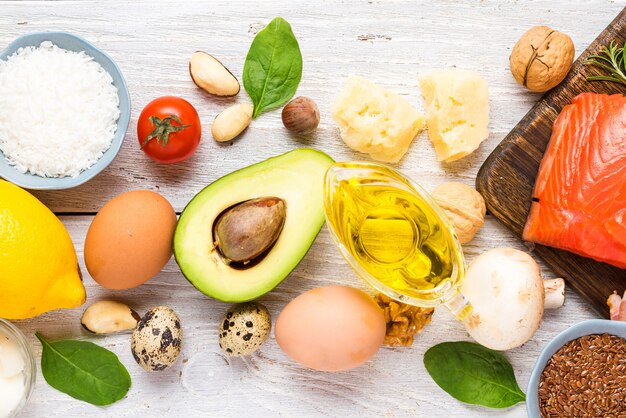
The Mediterranean diet is one of the best eating patterns for artery health.
Daily targets:
- 2 tbsp olive oil
- Fatty fish twice weekly
- Nuts daily
- 5+ servings vegetables
- Legumes 3 times weekly
This lowers inflammation and improves blood vessel function.
STEP 5: Slow Calcification
You may not fully remove calcium — but you can slow progression.
Focus on:
- Magnesium from leafy greens and nuts
- Vitamin K2 especially if you’re on blood thinners
- Avoid phosphate additives like processed meats and colas.
This helps reduce inappropriate calcium deposition.
How to Know If You’re Improving
Don’t guess — measure.
Track:
- Systolic blood pressure (weekly trend)
- Pulse pressure (systolic – diastolic)
- Waist circumference
- Fasting glucose
- CRP (if accessible)
- Resting heart rate
Improvement in these reflects better vascular function.
When these improve, artery health usually gets better too.
The Best Exercise Plan for Reversing Stiff Arteries
Weekly plan:
- 5 Days: 30–45 min brisk walking
- 2–3 days: resistance training
This combination improves:
- Nitric oxide
- Insulin sensitivity
- Blood pressure
- Inflammation
High-intensity workouts can help, but they are not required.
How Long Does It Take?
| Change | When You See Improvement |
|---|---|
| Nitric oxide boost | 2–4 weeks |
| Blood pressure drop | 2–6 weeks |
| Weight loss effect | 8–12 weeks |
| Measurable arterial flexibility | 8–12 weeks |
| Calcification slowing | Long term |
What matters most?
Consistency.
Not perfection.
12-Week Arterial Flexibility Plan
Weeks 1–4
- Daily walking
- Remove sugary drinks
- Add leafy greens
- Track BP twice weekly
Weeks 5–8
- Add resistance training
- Reduce sodium
- Eat more omega-3 foods
- Aim 3–5% weight loss
Weeks 9–12
- Refine diet toward Mediterranean pattern
- Improve sleep quality
- Reassess biomarkers
Many people see measurable change by week 12.
How Long Does It Take?
| Change | Timeframe |
|---|---|
| Nitric oxide improvement | 2–4 weeks |
| Blood pressure drop | 2–6 weeks |
| Measurable stiffness improvement | 8–12 weeks |
| Calcification slowing | Long-term |
Consistency beats intensity.
Is Arterial Stiffness Permanent?
Not always.
Functional stiffness is highly reversible.
Structural stiffness improves slowly.
But even a small reduction in stiffness:
- Lowers stroke risk
- Reduces heart strain
- Improves longevity
You don’t need perfect arteries.
You need better arteries.
Final Takeaway: The Non-Negotiables
If you remember only five things:
- Walk every day
- Eat leafy greens daily
- Control blood pressure
- Cut back on sugar
- Lose excess weight
These target the real causes:
- Low nitric oxide
- Inflammation
- Sugar damage
- High blood pressure
- Insulin resistance
And those are what truly drive arterial stiffness.
Your arteries are not fixed in stone.
They respond to what you do.
Start giving them the right signals.
And they will respond back.