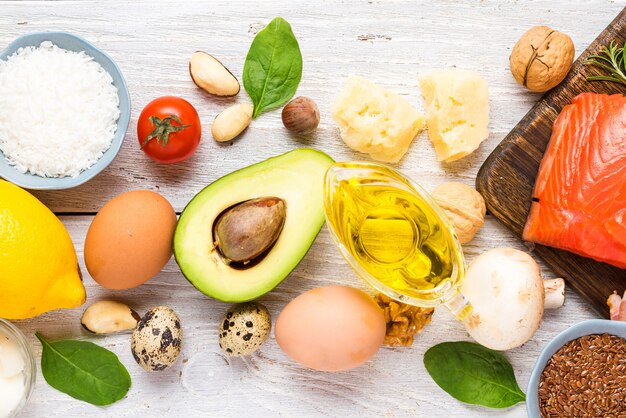
10 Best Foods to Strengthen Arteries (and How to Eat Them)
The Best Foods to Strengthen Arteries
Table of Contents
You know, we don’t often think about our arteries until they cause a problem – like a scare with high blood pressure, and chest pain, that sends us straight to the doctor. But these incredible arteries are constantly working to make sure every part of your body gets what it needs to live.
Here’s a simple truth: What you eat today directly affects the health of your arteries tomorrow.
Your arteries aren’t just lifeless tubes; they’re actually living, breathing tissues that carry oxygen-rich blood from your heart to every part of your body. And just like anything alive, they respond to how you treat them – especially when it comes to what you eat.
So, if you’ve ever wondered if there are foods that can actually protect, clean, and even make your arteries stronger, the answer is a “yes!”
In this post, we’re going to dive into 10 amazing foods that can help strengthen your arteries. We’ll look at why they work, the specific nutrients in them, and even give you some easy recipe ideas to try today.
Let’s get into it!.
What Does It Mean to ‘Strengthen’ Arteries?
Arteries are flexible blood vessels that transport oxygen-rich blood from your heart to your organs and tissues. When arteries are healthy, they’re:
- Stretchy: They can easily expand and contract with every heartbeat.
- Smooth inside: This lets your blood flow freely without any blockages.
- Inflammation-proof: They’re less likely to get irritated, which means less chance of plaque building up.
So, when we talk about strengthening them, we mean making them work better by:
- Boosting their inner lining.
- Helping them relax for better blood flow.
- Lowering stress and inflammation.
- Stopping sticky plaque from forming.
Healthy arteries mean your blood flows better, your blood pressure stays in a good range, and you lower your risk of serious issues like heart attacks and strokes. And guess what? It all really does start with the food on your plate.
How Foods Affect Arterial Health
Diet is one of the most powerful things you have to protect your arteries. The right nutrients can reduce inflammation, improve your cholesterol numbers, and even help your blood vessels relax. Key players in this include:
- Healthy fats like Omega-3s
- Antioxidants (which fight damage)
- Soluble fiber (which helps with cholesterol)
- Nitrates (for relaxation)
And certain foods specifically help your arteries by:
- Lowering inflammation
- Reducing bad cholesterol
- Boosting good cholesterol
- Helping blood vessels relax
- Delivering protective antioxidants to your blood vessel walls
Now, let’s explore the top foods that do all this, and how you can easily add them to your everyday meals.
The 10 Best Foods to Strengthen Arteries (and How to Eat Them)
1. Spinach
Spinach is rich in nitrates, which convert to nitric oxide in the body—a gas that helps your blood vessels widen and improves circulation. It has magnesium, vitamin K, and folate, which all chip in to lower blood pressure and keep your arteries flexible.
A 2015 study in the journal Clinical Nutrition Research found that nitrate-rich vegetables like spinach lowered both systolic and diastolic blood pressure in healthy adults [1].
This study involved 27 healthy adults who consumed either a high-nitrate spinach soup (845 mg nitrate daily) or a low-nitrate asparagus soup (0.6 mg of nitrate per day) for 7 days.
Results of the study showed that the high-nitrate spinach soup significantly reduced central systolic and diastolic blood pressure at 180 minutes on Day 1 and Day 7.
- It also significantly reduced brachial systolic blood pressure at 180 minutes following 7-day supplementation.
- The study also found that after eating, people in the high-nitrate group had less stiffness in their arteries compared to those in the low-nitrate group. This suggests that nitrate may help make arteries more flexible and healthy.
How to Eat Spinach:
- Add raw baby spinach to a morning smoothie
- Toss into soups, omelets, or stir-fries
- Make a warm spinach salad with garlic and olive oil
2. Blueberries
Blueberries are loaded with anthocyanins, they’re powerful antioxidants that protect the inner lining of your blood vessels, and fight off inflammation and stress – two main causes of artery damage.
A 2019 randomized controlled trial (RCT) in The Journals of Gerontology study “Circulating Anthocyanin Metabolites Mediate Vascular Benefits of Blueberries“, showed that daily blueberry consumption improved vascular endothelial function in people with metabolic syndrome [2].
In this study, researchers studied how eating wild blueberries daily for 1 month affects blood vessel health in healthy adults. They also used mice to better understand how the blueberries work in the body.
This study is different from another 6-month study that focused on overweight and obese adults with metabolic syndrome.
Participants drank a beverage made with about 200 grams of wild blueberries every day for 30 days.
Here’s what the researchers found:
- Better Blood Flow: Blood vessels widened more easily, a sign of improved endothelial function. This was measured using flow-mediated dilation.
- Lower Blood Pressure: Their 24-hour systolic blood pressure (the top number in a blood pressure reading) went down.
- Anthocyanins Did the Work: The benefits were linked to anthocyanins—natural pigments in blueberries. These break down into metabolites in the blood, which were connected to the improved blood flow.
- Gene Activity Changed: Eating blueberries changed the activity of genes and microRNAs involved in:
- How cells stick together
- Immune system responses
- How cells move and grow
Bottom Line. Eating one cup of wild blueberries a day for a month can:
- Improve how well your blood vessels function
- Slightly lower your blood pressure
- Trigger helpful changes inside your body at the molecular level
How to Eat Blueberries:
- Add blueberries to oatmeal
- Mix into greek yogurt with flaxseed
- Blend into a heart-healthy smoothie with spinach and banana
- Make a homemade chia-blueberry jam
3. Olive Oil (Extra Virgin)
Extra virgin olive oil is a cornerstone of the Mediterranean diet—and for good reason. Its monounsaturated fats and polyphenols (oleuropein, hydroxytyrosol), help boost HDL cholesterol, fight inflammation, and keeps your blood vessel linings healthy.
The PREDIMED study (2013) found that a mediterranean diet rich in olive oil lowered the risk of major cardiovascular events by 30% [3].
The PREDIMED study included 7,447 participants from Spain—men aged 55 to 80 and women aged 60 to 80—who were at high cardiovascular risk but had no prior cardiovascular disease.
This included people with type 2 diabetes or at least three major risk factors such as smoking, overweight/obesity, high blood pressure, or abnormal cholesterol levels.
Participants were randomly assigned to one of three diet groups:
- Mediterranean diet + extra-virgin olive oil (EVOO): Received the Mediterranean diet along with 1 liter of EVOO per week.
- Mediterranean diet + mixed nuts: Followed the Mediterranean diet and received 30g of mixed nuts daily (15g walnuts, 7.5g almonds, 7.5g hazelnuts).
- Control group: Advised to follow a low-fat diet based on standard dietary guidelines.
The results of the study found that both Mediterranean diet groups with EVOO showed about a 30% relative reduction in the risk of major cardiovascular events—compared to the low-fat control group.
How to Eat Olive Oil:
- Drizzle olive oil over grilled vegetables
- Make homemade vinaigrettes with lemon and garlic
- Use olive oil in place of butter when sautéing vegetables
- Dip whole grain bread with herbs and sea salt
4. Avocado
Creamy, satisfying, and heart-friendly, avocados are loaded with healthy fats, potassium, magnesium, and fiber.
All these nutrients work together to help lower blood pressure and improve your cholesterol numbers by raising HDL cholesterol and reducing LDL oxidation.
A study in Journal of the American Heart Association (AHA) 2015, showed that eating one avocado per day helped lower LDL cholesterol in overweight adults and improved vascular function [4]. This study looked at how eating avocados affects LDL (bad) cholesterol. The study involved 45 adults between the ages of 21 and 70 who were obese, and all of them started out with high LDL cholesterol.
What They Did. Each person followed one of these three diets for five weeks:
- Low-fat diet – About 24% of their calories came from fat, with 11% of those calories specifically from monounsaturated fatty acids. They didn’t eat any avocado.
- Moderate-fat diet without avocado – About 34% of their calories came from fat, with 17% from MUFAs but still no avocado.
- Moderate-fat diet with avocado – Also 34% of their calories came from fat and 17% from MUFAs, but this group ate one whole hass avocado every day.
What They Found. The group that ate one avocado a day had the biggest drop in LDL cholesterol:
- 13.5 mg/dL drop in the avocado group
- 8.3 mg/dL drop in the moderate-fat group without avocado
- 7.4 mg/dL drop in the low-fat group
What this means: Adding just 1 avocado per day to a healthy, moderate-fat diet helped lower bad cholesterol more than diets without avocado.
How to eat Avocado:
- Mash on whole grain toast with a sprinkle of chili flakes
- Dice into spinach salads with olive oil and lemon
- Blend into smoothies for extra creaminess and healthy fat
5. Salmon
Salmon is rich in omega-3 fatty acids (EPA and DHA), which help reduce triglycerides and vascular inflammation, and protect arterial walls.
Higher doses of omega-3s, especially around 4 grams per day, are proven to lower triglyceride levels. Studies like the REDUCE-IT trial show that purified EPA can also reduce serious heart problems in people already on statins [5][6].
Other research like the National Lipid Association mentions that a total daily dose of 1 gram of EPA and DHA can be expected to result in a 5 to 10 percent lowering of TG [7].
Omega-3 fatty acids (EPA and DHA), found in fish oil like salmon, are good for your heart. Here’s how they help:
- They lower triglycerides. If you have high triglycerides, omega-3s—especially at higher doses—can bring those levels down. This lowers your risk of heart problems. One big study called REDUCE-IT found that taking 4 grams of EPA daily helped people who already take statins and have high triglycerides.
- They reduce inflammation. Omega-3s help reduce inflammation in your body, which is important because long-term inflammation can damage your blood vessels and lead to heart disease.
- They protect your arteries. These fats can help keep your artery walls healthy. They reduce fatty build-up and stiffness in the arteries, and improve blood flow.
Bottom Line: Omega-3s in salmon can help keep your heart healthy by lowering bad fats, reducing inflammation, and keeping your arteries in good shape.
How to Eat Salmon:
- Grill with lemon, garlic, and rosemary
- Flake into salads, tacos, or rice bowls
- Pan-sear with garlic and olive oil
6. Oranges
Oranges are more than just juicy; they’re rich in vitamin C, hesperidin, and soluble fiber. These all work together to reduce inflammation, boost blood flow, and protect arteries from oxidative damage.
One notable study investigated the effects of citrus flavonoids like hesperidin on endothelial function.
Rizza, S., et al. "Citrus polyphenol hesperidin stimulates production of nitric oxide in endothelial cells while improving endothelial function and reducing inflammatory markers in patients with metabolic syndrome." The Journal of Clinical Endocrinology & Metabolism, vol. 96, no. 5, 2011, pp. E782–E792.
This 2011 study specifically looked at hesperidin, a flavonoid in citrus fruits, and how it affects endothelial function in people with metabolic syndrome.
The results showed that hesperidin helped improve endothelial function, which is important for good blood flow and heart health. It boosted nitric oxide production and lowered signs of inflammation, both of which are key to keeping blood vessels healthy [8] [9] [10].
How to eat Oranges:
- Peel and eat fresh
- Add segments to spinach salad
- Use in homemade citrus dressings
- Squeeze fresh orange juice
- Grate a little orange peel into your marinades to add a fresh, zesty flavor.
7. Flaxseeds
These tiny seeds are rich in alpha-linolenic acid, a plant-based omega-3, and lignans, which lowers inflammation and blood pressure, while fiber reduces LDL cholesterol and arterial plaque buildup.
In a study in Hypertension (2013), people who ate 30 grams of flaxseed daily for about 6 months experienced significant reductions in systolic blood pressure.
This 2013 study involved 110 patients diagnosed with peripheral arterial disease (PAD).
Notably, 75% of these patients also had hypertension, defined as a blood pressure reading ≥140/90 mmHg. Many were already on medications to manage their high blood pressure [11] [12] [13].
Participants were divided into two major groups:
- Flaxseed group: Consumed 30 g of milled flaxseed daily for 6 months. The flaxseed was mixed into various commonly eaten foods—such as bagels, muffins, pasta, buns, bars, and tea biscuits—to help participants stick with the diet.
- Placebo group: Received similar foods, but without any flaxseed.
After 6 months, the entire flaxseed group, had their systolic blood pressure dropped by approximately 10 mmHg, and diastolic blood pressure (DBP) dropped by about 7 mmHg, compared to the placebo group.
Among these participants who had hypertension at the start (baseline SBP ≥140 mmHg), the results were even more striking:
- SBP decreased by 15 mmHg
- DBP decreased by 7 mmHg
These blood pressure reductions occurred on top of any effects from their prescribed antihypertensive drugs.
The researchers also found that:
- Higher circulating α-linolenic acid levels correlated with greater reductions in both SBP and DBP
- Higher lignan levels were linked specifically to reductions in DBP
This study concluded that eating flaxseeds daily produced one of the most powerful antihypertensive effects ever recorded through diet alone, in people with high blood pressure. The benefits appear to be linked to flaxseed’s rich content of omega-3s (ALA) and lignans, which may work together to lower blood pressure beyond what medications alone can achieve [14].
How to eat Flaxseeds:
- Add ground flax to oatmeal
- Mix into pancake
- Add to muffin batter
- Sprinkle on top of salads
- Stir into yogurt
- Mix into homemade granola
8. Tomatoes
Tomatoes get their vibrant red color from lycopene, an antioxidant that protects against LDL oxidation and arterial damage, and it even helps your arteries relax.
A 2014 randomized controlled trial published in PLoS One investigated the effects of oral lycopene supplementation (7 mg/day for 2 months) on endothelial function in humans [15] [16].
The study included two main groups of human subjects:
- 36 patients with Cardiovascular Disease. These patients had pre-existing atherosclerotic events such as previous myocardial infarction, coronary stent, angina, transient ischemic stroke, and were already on optimal secondary prevention therapy, including statins.
- 36 healthy volunteers. This group served as a comparison to see the effect of lycopene in individuals without diagnosed CVD.
The subjects were randomized in a 2:1 treatment allocation ratio, meaning more subjects received lycopene than placebo within each of the CVD and HV groups.
Both CVD patients and healthy volunteers were randomized to receive either:
- 7 mg of lycopene daily (in the form of a standardized preparation called Ateronon)
- Placebo daily (a matching inert capsule)
The supplementation was given daily for 2 months.
The primary outcome of the study was endothelial-dependent vasodilation (EDV), a measure of how well blood vessels relax, which is an indicator of vascular health. Here’s what the Study Found:
- Before the study. People with heart disease had weaker blood vessel function than healthy people — about 30% worse. This showed their blood vessels didn’t relax as well as they should [17].
- After taking lycopene (for heart patients). Lycopene helped their blood vessels relax much better — by 53% compared to those who took a fake pill (placebo). After the treatment, their blood vessel function became almost as good as the healthy group’s starting level [18] [19] [20].
- No big change for healthy people. Lycopene didn’t make much difference in the healthy group. This means it may mainly help people who already have blood vessel problems [21].
- What didn’t change. Lycopene didn’t affect blood pressure, cholesterol, inflammation levels, or how the muscles in the blood vessels work. So, its main benefit seems to be in improving how the lining of the blood vessels (the endothelium) works — not in changing other heart health markers.
The randomized controlled trial (RCT) concluded that oral lycopene, 7 mg/day, significantly improves endothelial function in patients with established cardiovascular disease, even when they’re already receiving optimal treatment.
However, it does not improve vascular function in healthy individuals, nor does it affect other cardiovascular markers like blood pressure.
This suggests that lycopene may offer targeted vascular benefits specifically for individuals with endothelial dysfunction, rather than healthy populations [22] [23].
How to Eat Tomatoes:
- Roast with garlic and basil as a side dish
- Use in pasta sauces
- Add to soups, sauces, and sandwiches
- Add fresh slices to sandwiches
- Enjoy fresh in salads with olive oil
9. Garlic
Garlic isn’t just for flavor; it contains a sulfur compound called allicin, which is known to lower blood pressure and reduce plaque buildup in arteries.
A meta-analysis by Karin Ried (2016) in The Journal of Nutrition confirmed that garlic supplementation reduced arterial stiffness and systolic blood pressure.
Here’s one specific study that was a significant contributor to the findings in the Karin Ried (2016) meta-analysis, concerning the effects of garlic in hypertensive individuals:
Ried, K., Frank, O. R., & Stocks, N. P. (2010). Aged garlic extract lowers blood pressure in patients with treated but uncontrolled hypertension: a randomised controlled trial [24] [25]. Maturitas, 67(2), 144-150.
This study was a double-blind, randomized, placebo-controlled trial.
In this specific study, 88 general practice patients and community members had uncontrolled hypertension, meaning their blood pressure was still high despite being on medication.
Participants took 1.2 gram of aged garlic extract daily, containing about 1.2 mg of S-allylcysteine. The study lasted for 12 weeks.
- The study found that the mean blood pressure in the garlic group was significantly reduced by 5.0 ± 2.1 mmHg (systolic) compared to the placebo group (P=0.016).
- In the “responders“, the reduction was even more pronounced: 11.5 ± 1.9 mmHg systolic and 6.3 ± 1.1 mmHg diastolic compared to placebo (P<0.001) [27].
- The study also found trends towards improvement in central blood pressure and arterial stiffness.
How to eat Garlic:
- Mince and mix into salad dressings
- Roast whole bulbs to spread on toast
- Add to soups, stir-fries, and pasta sauces
10. Oats
Oats are a great source of beta-glucan, this soluble fiber acts like a sponge in your gut, binding to cholesterol and helping to remove it, which keeps “bad” cholesterol levels low and your arteries clearer.
The FDA recognizes oats as healthy for the heart because clinical research over many years shows they can help lower cholesterol.
Some studies have investigated the cholesterol-lowering effects of oat β-glucan. Here are just a few:
- Whitehead, A., Beck, E. J., Tosh, S., & Wolever, T. M. S. (2014). Cholesterol-lowering effects of oat β-glucan: a meta-analysis of randomized controlled trials. The American Journal of Clinical Nutrition, 100(6), 1413-1421.“
- This is a frequently cited meta-analysis that quantified the effect of 3 g/day oat β-glucan on serum cholesterol concentrations. It concluded that this dosage significantly reduced LDL and total cholesterol without affecting HDL cholesterol.
- Ho, H. V. T., Sievenpiper, J. L., Zurbau, A., Blanco Mejia, E., Jovanovski, M., Au-Yeung, F., … & Vuksan, V. (2016). The effect of oat β-glucan on LDL-cholesterol, non-HDL-cholesterol and apoB for CVD risk reduction: A systematic review and meta-analysis of randomised-controlled trials. British Journal of Nutrition, 116(8), 1369-1382.“
- This comprehensive meta-analysis included 58 trials and found that a median dose of 3.5 g/day of oat β-glucan significantly lowered LDL-cholesterol, non-HDL-cholesterol, and apoB.
- Othman, R. A., Moghadasian, M. H., & Jones, P. J. H. (2011). Cholesterol-lowering effects of oat β-glucan. Nutrition Reviews, 69(6), 299-309.
- This review investigated if results from more recent studies were consistent with original conclusions. It found that studies conducted during the preceding 13 years supported the suggestion that intake of oat β-glucan at daily doses of at least 3 grams may reduce plasma total and LDL cholesterol levels by 5-10%.
How to Eat Oats:
- Make warm oatmeal topped with blueberries and flax
- Prepare overnight oats with almond milk and cinnamon
- Use oat flour in healthy pancakes and muffins
Meal ideas for your artery health:
- Breakfast: Oatmeal with blueberries, ground flaxseeds, and almond butter
- Lunch: Spinach and avocado salad with orange vinaigrette
- Dinner: Grilled salmon with garlic-roasted tomatoes and a side of quinoa
- Snacks: Orange slices plus one tablespoon of pumpkin seeds
Final Thoughts
You don’t need a fancy detox to protect your arteries. Small, daily choices—like adding blueberries to your oats—can lead to big, lasting improvements in your cardiovascular health. Start with one of these foods today. Your heart—and your arteries—will thank you.
Did you find this post helpful? Save it for later and share it with someone who wants to eat their way to better heart health.
References:
- Jovanovski, E., Bosco, N., Khayyat, I. M., Au-Yeung, F., Komishon, A., Luk, T. H., … & Sievenpiper, J. L. (2015). Effect of spinach, a high dietary nitrate source, on arterial stiffness and related hemodynamic measures: a randomized, controlled trial in healthy adults. Clinical Nutrition Research, 4(3), 160-167.
- Circulating Anthocyanin Metabolites Mediate Vascular Benefits of Blueberries: Insights From Randomized Controlled Trials, Metabolomics, and Nutrigenomics
Journal: The Journals of Gerontology, Series A: Biological Sciences and Medical Sciences. Authors: Ana Rodriguez-Mateos, et al. Year: 2019. Volume/Issue: 74(7), 967-976. - Primary Prevention of Cardiovascular Disease with a Mediterranean Diet Supplemented with Extra-Virgin Olive Oil or Nuts
- Effect of an Avocado-Enriched Diet on Plasma Lipids and Lipoproteins in Overweight and Obese Adults: A Randomized Controlled Trial
- Cardiovascular Outcomes With Icosapent Ethyl by Baseline Low‐Density Lipoprotein Cholesterol: A Secondary Analysis of the REDUCE‐IT Randomized Trial
- Reduction of Cardiovascular Events With Icosapent Ethyl–Intervention Trial – REDUCE-IT
- Practical Pearls: Lowering Triglycerides with Omega-3 Fatty Acids
- Citrus Polyphenol Hesperidin Stimulates Production of Nitric Oxide in Endothelial Cells while Improving Endothelial Function and Reducing Inflammatory Markers in Patients with Metabolic Syndrome
- Rodriguez-Leyva, D., Weighell, W., Edel, A. L., LaVallee, C., Dibrov, E., Pederson, E. N., … & Pierce, G. N. (2013). Potent antihypertensive action of dietary flaxseed in hypertensive patients. Hypertension, 62(6), 1081-1089.
- Flaxseed Consumption Reduces Blood Pressure in Patients With Hypertension by Altering Circulating Oxylipins via an α-Linolenic Acid–Induced Inhibition of Soluble Epoxide Hydrolase
- The HYPERFlax trial for determining the anti-HYPERtensive effects of dietary flaxseed in newly diagnosed stage 1 hypertensive patients: study protocol for a randomized, double-blinded, controlled clinical trial
- Effects of Oral Lycopene Supplementation on Vascular Function in Patients with Cardiovascular Disease and Healthy Volunteers: A Randomised Controlled Trial
- Effects of oral lycopene supplementation on vascular function in patients with cardiovascular disease and healthy volunteers: a randomised controlled trial
- Tomato paste supplementation improves endotelial dynamics and reduces plasma total oxidative status in healthy subjects
- Lycopene in the Prevention of Cardiovascular Diseases
- Effects of Oral Lycopene Supplementation on Vascular Function in Patients with Cardiovascular Disease and Healthy Volunteers: A Randomised Controlled Trial
- Lycopene: A Natural Arsenal in the War against Oxidative Stress and Cardiovascular Diseases
- Ried, K. (2016). Garlic lowers blood pressure in hypertensive individuals, regulates serum cholesterol, and stimulates immunity: An updated meta-analysis and review. The Journal of Nutrition, 146(2), 389S-396S.
- Aged garlic extract lowers blood pressure in patients with treated but uncontrolled hypertension: a randomised controlled trial
- Kyolic aged garlic extract improves aerobic fitness in middle‑aged recreational endurance athletes: A randomized double‑blind placebo‑controlled 3 month trial
- Cholesterol-lowering effects of oat β-glucan” (A PubMed article from 2011, noting the FDA’s 1997 approval).
- Food Labeling: Health Claims; Soluble Dietary Fiber From Certain Foods and Coronary Heart Disease