7 Early Warning Signs of High Cholesterol Women Should Watch For
The Early Warning Signs of High Cholesterol Women Should Know
Table of Contents
High cholesterol is often called a “silent threat” — and for a good reason. Many women don’t feel anything unusual until cholesterol has already started affecting their arteries and blood flow.
But research now shows that
women especially between ages 40–65, during menopause, or with conditions like hypothyroidism, PCOS, or metabolic syndrome—may show specific early warning signs that many people overlook.
This guide breaks down the 7 clearest early signs, what causes them, and what every woman should watch for.
Quick Cholesterol Facts Every Woman Should Know
Here are science-backed stats from the WHO, CDC, and American Heart Association:
- 45% of women above age 45 have elevated LDL cholesterol
- After menopause, LDL cholesterol increases by 10–20% on average
- 1 in 3 women with high cholesterol shows symptoms related to circulation
- Women are more likely than men to experience “silent” heart symptoms
- Hypothyroidism — which affects women 8x more than men — is linked to higher LDL levels
Why High Cholesterol Looks Different in Women
Women naturally produce more estrogen, which protects the arteries. But as estrogen drops during menopause, LDL cholesterol often rises sharply while HDL cholesterol drops.
Because of this hormone shift, some symptoms may show up earlier in women than in men—especially those linked to circulation, energy levels, and metabolic changes.
Women experience cholesterol changes due to:
- **Menopause: estrogen drops → LDL rises
- Thyroid conditions: common in women → slows cholesterol metabolism
- PCOS: increases triglycerides + LDL
- Pregnancy: temporarily raises cholesterol
- Stress and sleep problems: directly raise LDL and inflammation
The 7 Early Warning Signs of High Cholesterol Every Woman Should Watch For
1. Persistent Fatigue
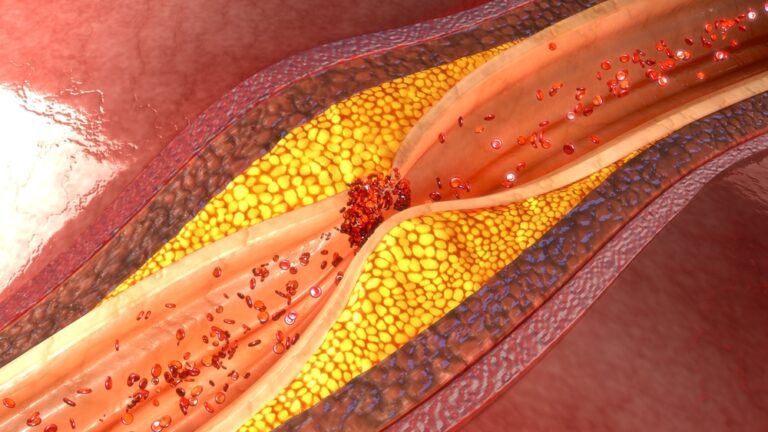
When cholesterol forms plaque inside arteries, blood flow becomes restricted. This reduces the amount of oxygen reaching muscles and organs—especially during mild physical activity.
Specific signs in women:
- Unusual tiredness even with full sleep
- Fatigue after mild activity
- Mid-day energy crashes
Medical explanation: Poor blood flow forces the heart to work harder, leading to low cellular oxygen delivery (called reduced perfusion).
2. Shortness of Breath During Light Activities
High cholesterol contributes to coronary artery narrowing, making it harder for the heart to push blood through smaller arteries.
Women often notice:
- Breathing feels harder during basic tasks
- Occasional chest tightness with breathlessness
- Difficulty taking a deep breath after meals
3. Tingling, Numbness, or Coldness in Hands & Feet
Cholesterol plaques reduce circulation to the extremities. When arteries supplying the arms and legs narrow, nerve function becomes affected.
Specific signs:
- Cold fingers or toes even in warm weather
- Pins-and-needles sensation when resting
- Numbness after sitting too long
Reduced blood flow slows oxygen (O2) delivery to the nerves. This may show an early sign of peripheral artery disease (PAD).
4. Yellowish Skin Patches (Xanthomas)
What they really look like: These are cholesterol-filled skin deposits that are soft, yellow-colored bumps appearing on:
- Eyelids (xanthelasma)
- Knees or elbows
- Neck
- Upper eyelids
- Back of hands
Why they happen: These are deposits of cholesterol under the skin—appearing when LDL levels stay high for a long time.
Xanthelasma appears in women over 45, especially those with family history of high cholesterol and thyroid problems.
5. Chest Pressure, Tightness, or Discomfort
This is NOT always sharp pain. Women experience atypical chest symptoms like:
- Pressure in the center or left side of the chest
- Burning sensation
- Discomfort that spreads to the jaw, neck, or upper back
Why this matters: Narrowed coronary arteries struggle to deliver blood to the heart muscle—early sign of developing heart disease.
6. Slow Wound Healing — Especially on the Legs
Cholesterol buildup limits blood flow to the skin, reducing oxygen (O2) needed for healing.
Specific signs:
- Small cuts taking longer than usual to close
- Bruises that fade slowly
- Dry, flaky skin on feet
Link with cholesterol: Poor circulation reduces nutrient delivery and weakens the immune response around wounds.
7. High Blood Pressure That Becomes Hard to Control
High cholesterol and high blood pressure often appear together.
Why high cholesterol raises blood pressure:
- Plaque stiffens artery walls
- Arteries lose their ability to expand
- The heart pumps harder to move blood through
Signs:
- New high blood pressure after age 40
- Blood pressure that stays high despite lifestyle changes
- Headaches, dizziness, or a pounding feeling in the chest
Table Summary of The Symptoms and What They May Mean
| Symptom | Possible Cholesterol Cause | Why It Happens |
|---|---|---|
| Fatigue | Reduced oxygen flow | Narrow arteries limit blood supply |
| Shortness of breath | Coronary artery narrowing | Heart works harder |
| Numbness/cold extremities | Peripheral artery changes | Poor circulation |
| Xanthomas | Long-term high LDL | Cholesterol deposits under skin |
| Chest pressure | Restricted coronary arteries | Heart muscle strain |
| Slow wound healing | Poor microcirculation | Low oxygen for healing |
| High blood pressure | Arterial stiffness | Heart pumps harder |
Differential Diagnosis: Symptoms That May Look Similar
Many symptoms overlap with other conditions.
| Symptom | Also Seen In | How to Tell the Difference |
|---|---|---|
| Fatigue | Iron deficiency | Pale skin, hair loss |
| Tingling | B12 deficiency | Affects both sides equally |
| Chest tightness | Anxiety | Triggered by stress, fast onset |
| Shortness of breath | Asthma | Wheezing, triggered by cold/flu |
Progression Timeline: How Cholesterol Builds Up
- 0–5 years: Silent buildup, no symptoms
- 5–10 years: Early signs — fatigue, numbness
- 10–20 years: High BP, chest pressure
- 20+ years: Higher risk of heart disease or stroke
When Women Should Get Tested
Cholesterol screening should be done:
- Every 5 years for women 20–44
- Every 1–2 years for women 45–65
- Yearly for women with diabetes, obesity, thyroid issues, or a family history of heart disease
If you have any of the symptoms above, it’s smart to request:
- Full lipid panel
- Thyroid test (TSH)
- Blood pressure evaluation
How Women Can Lower Cholesterol Naturally
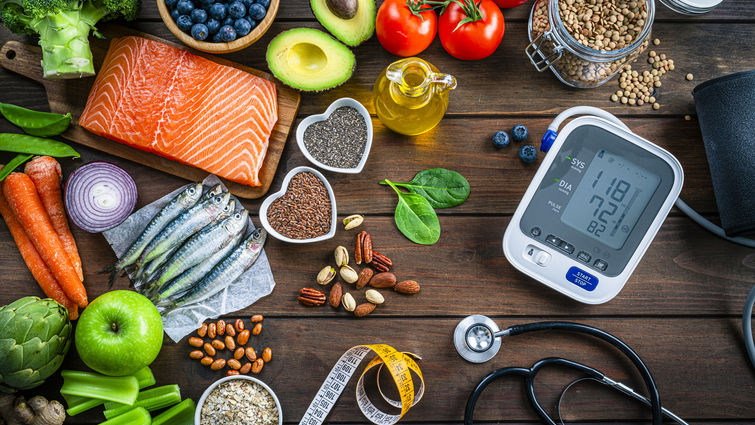
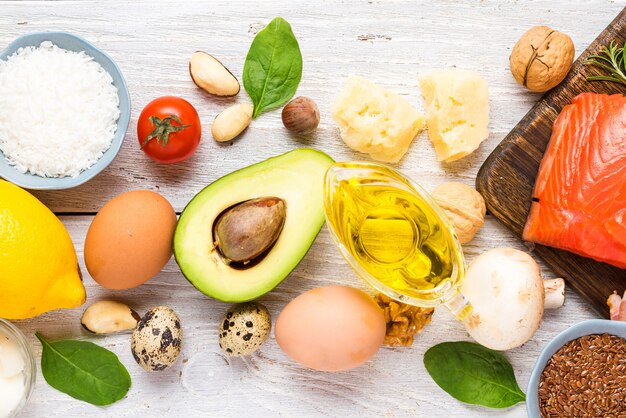
- Eat more high-fiber foods like oats, beans, avocado, chia seeds, and vegetables.
- Reduce trans fats, deep-fried foods, pastries.
- Choose healthy fats like olive oil, nuts, and salmon.
- Walk 30 minutes daily.
- Manage stress and get enough sleep.
- Limit sugary foods and drinks.
Practical food swaps
| Instead of… | Choose… |
|---|---|
| Deep-fried chicken | Grilled or baked chicken |
| Butter | Olive oil |
| White bread | Whole grains |
| Sugary breakfast | Oatmeal with fruit |
FAQs
1. Can women have high cholesterol without symptoms?
Yes—most women do not feel symptoms until cholesterol has already started restricting blood flow.
2. Does menopause increase cholesterol?
Yes. Estrogen levels drop, causing LDL to rise and HDL to fall.
3. What is a good cholesterol level for women?
- Total cholesterol: below 200 mg/dL
- LDL: below 100 mg/dL
- HDL: above 50 mg/dL
4. Can high cholesterol cause headaches in women?
Indirectly—cholesterol-related high blood pressure can trigger headaches.
5. Are women more likely to develop cholesterol-related heart disease?
After menopause, yes. Risk rises significantly.
6. Can high cholesterol cause dizziness in women?
Indirectly — when high cholesterol increases blood pressure.
7. Can I have high cholesterol even if I’m thin?
Yes. Genetics and hormones matter more than body size.
8. Do symptoms go away when cholesterol drops?
Many early symptoms improve with treatment and lifestyle changes.
Conclusion: Women Must Know These Early Warning Signs
High cholesterol may be silent, but the body still sends clues.
Women who learn these early signs — fatigue, breathlessness, chest tightness, cold extremities, sluggish healing, xanthomas, and rising blood pressure — can take control early.
Early detection saves the heart, protects long-term health, and prevents serious complications.