Low Ferritin Levels in Adults: Causes, Symptoms, and How to Treat it
Causes, Symptoms, and Treatment of Low Ferritin Levels in Adults
Table of Contents
Do you feel tired all the time? Notice your hair falling out more than usual? These could be clear signs of low ferritin levels—a common issue that many people don’t even realize they have.
Ferritin is a protein in your body that stores iron, which is essential for keeping you energized and healthy. When these levels drop, the effects can creep into your daily life, leaving you drained and out of balance.
In this post, we’ll break down the causes, symptoms, and solutions for low ferritin levels, to help you regain control over your well-being.
What Are Ferritin Levels and Why Do They Matter?
Ferritin is like your body’s iron reserve—a place where iron is stored. It is released when your body needs it.
Iron is critical for energy, helping your blood carry oxygen, and supporting your immune system. When your ferritin levels are low, your body can’t get enough iron, which can leave you feeling exhausted, weak, and even sick over time.
Normal Ferritin Levels for Adults:
- Men: 20–500 ng/mL
- Women: 20–200 ng/mL
- Postmenopausal Women: Up to 300 ng/mL
Low ferritin doesn’t always mean that you have anemia. You might still have normal hemoglobin levels, but your iron stores could be running low—a warning sign to take action.
What Causes Low Ferritin Levels in Adults?
Several things can cause low ferritin levels, but these are the most common:
- Not getting enough iron. If you don’t eat enough iron-rich foods, your ferritin levels may drop. Foods like red meat, chicken, fish, beans, and spinach are great sources of iron. Vegetarians and vegans are more at risk because plant-based iron is harder for the body to absorb.
- Losing a lot of blood. Heavy periods are a common cause of low ferritin in women. And people with condition like stomach ulcer or crohn’s disease can cause slow hidden blood loss.
- Trouble absorbing iron. Sometimes, your body struggles to absorb iron properly. This happens if:
- You have digestive problems like celiac disease.
- You’ve had surgery on your stomach or intestines.
- You take drugs like antacids or calcium supplements that block iron absorption.
- High iron demand. Your body needs more iron during pregnancy to support the baby’s growth. People doing heavy workouts may lose iron through red blood cell breakdown or sweat.
Symptoms of Low Ferritin Levels in Adults
Low ferritin can cause a wide range of symptoms, even if you’re not anemic yet.
Early Symptoms. Feeling tired all the time, even after sleeping. Shortness of breath when walking. And losing more hair than usual.
Worsening Symptoms. Feeling restless at night, especially in your legs. Nails that break easily. Pale or dull-looking skin.
Severe Symptoms. Feeling dizzy, a racing heartbeat or irregular heartbeats, you’re constantly feeling cold, especially in your hands and feet.
If these symptoms sound familiar to you, it’s time to check your ferritin levels.
How to test for low ferritin. A ferritin test is the gold standard for diagnosing low ferritin. Here’s how to interpret low ferritin results:
- Ferritin below 20 ng/mL typically indicates iron deficiency.
- Levels between 20–50 ng/mL may suggest early-stage deficiency.
Other markers, like hemoglobin, serum iron, and transferrin saturation, can be used to rule out related conditions.
Fast Solutions for Low Ferritin Levels in Adults (How to Treat it)
To increase ferritin levels, you may need to eat foods, take supplements, and get medical help. Here’s how you can boost your ferritin levels:
1. Eat more iron-rich foods. Focus on adding these to your meals:
- Animal Sources (Easier to Absorb): Red meat, chicken, fish, and eggs.
- Plant Sources: Lentils, beans, spinach, tofu, and fortified cereals.
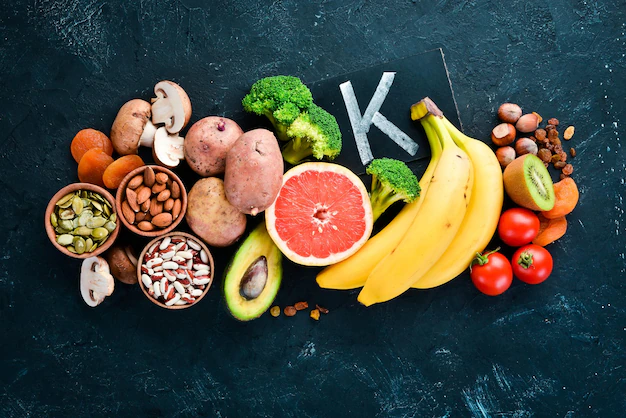
Tip: Eat iron-rich foods with vitamin C (like oranges, tomatoes, or bell peppers) to help your body absorb more iron.
2. Take iron supplements. Start with 60–100 mg of iron daily. Take it on an empty stomach or with a glass of orange juice for better absorption. Avoid taking iron supplements with coffee, tea, or dairy products, which block iron absorption.
Note: Some people feel nauseous or constipated from iron pills. If that happens, switch to a gentler supplement.
3. Try medical treatments. If your ferritin level is very low and supplements aren’t working, these strategies may help:
- Iron injections: Quickly restores your iron levels.
- Treating conditions: For example, addressing menstrual periods or digestive problems.
How to Prevent Low Ferritin
Here’s how you can keep your ferritin levels healthy:
- Eat a balanced diet: Include a mix of iron-rich foods in your daily meals.
- Limit iron blockers: Reduce coffee, tea, and calcium intake near meals.
- Check regularly: If you’re at risk (e.g., heavy periods or intense exercise), get your levels checked regularly.
Takeaway
Low ferritin levels can sneak up on you, causing tiredness, hair loss, and other frustrating symptoms.
With the right foods, supplements, and medical care, you can restore your ferritin levels.
Take charge of your health today—start by adding iron-rich foods to your meals or checking your ferritin levels if you suspect an issue.