10 Reasons to Avoid Coffee When You Have Iron Deficiency Anemia
Coffee and Iron Deficiency Anemia: 10 Reasons to Limit Your Intake
Table of Contents
Picture your daily cup of coffee, the warm and comforting start to your morning.
But what if I told you that if you have iron deficiency anemia, that coffee might not be the best idea?
Iron deficiency anemia (IDA) is when your red blood cells are deficient of iron, which you need to keep your energy up and stay healthy.
In this article, we’ll talk about the reasons why it’s a good idea to cut back on coffee when you have iron deficiency anemia, explain how coffee affects the iron your body needs and what you can do about it.
Here’s what we’re going to cover in this post:
- What happens when you drink coffee?
- 10 reasons to avoid coffee with iron deficiency anemia
- Coffee alternatives for iron-anemia sufferers
Alright, let’s jump right in.
What Happens When You Drink Coffee?
If you’re dealing with IDA (iron deficiency anemia), drinking coffee might not be the best idea.
It affects iron absorption and worsen your condition. When your body is deficient of iron, it struggles to make hemoglobin, making the symptoms of anemia become more serious.
The delicious aroma and bold flavor of coffee are undeniably tempting, but it’s important to understand that coffee contains compounds that can hinder the absorption of iron in your body.
Coffee is rich in polyphenols found in plant-based foods and beverages.
These polyphenols have antioxidant properties, which can be beneficial for your health in many ways.
But, when it comes to iron absorption, these compounds can be problematic.
Polyphenols can form complexes with iron, binding to the mineral and making it less available for absorption.
Because of this, the iron you get from your diet or supplements may not be used effectively by your body when you drink coffee alongside.
In the next section, we’ll talk about how polyphenols in coffee interferes with iron absorption, and strategies to mitigate this effect, allowing coffee lovers with anemia to enjoy their brew without compromising their iron intake.
Reasons to Avoid Coffee with Iron Deficiency Anemia
Have you ever wondered why cutting down on coffee is important, though you have been diagnosed with iron deficiency anemia? I’m going to give you 10 reasons behind this.
1. Coffee can inhibit iron absorption
Coffee inhibits iron absorption by binding to iron to form complex, and prevents it from been absorbed into the blood, due to the tannins and chlorogenic acid in coffee.
When tannins and chlorogenic acid bind to iron in the digestive tract, they form compounds that are insoluble, which means iron can’t be absorbed into the blood. This reduces iron absorption by up to 90%.
The amount of iron that is inhibited by coffee depends on a number of factors, including the type of coffee, the strength of the coffee, and the presence of other foods in the meal.
Example, drinking a cup of black coffee with a meal can reduce iron absorption more than drinking a cup of coffee with milk and sugar.
This is because milk and sugar contains calcium and vitamin C, which improves iron absorption.
It is important to note that coffee doesn’t completely block iron absorption.
Most people can still get enough iron from their diet, even if they drink coffee.
People who are at risk of iron deficiency anemia, such as pregnant women, young children, and people with other medical conditions, need to be mindful of their coffee intake.
2. Increase in inflammation
Inflammation is caused by oxidative stress, it can interfere with iron absorption, and make your iron deficiency anemia worse.
Coffee increases inflammation in people with iron deficiency anemia by increasing oxidative stress.
People with iron deficiency anemia are more susceptible to oxidative stress, as they have lower levels of antioxidants in their body.
When iron absorption is inhibited, and oxidative stress increases, inflammation occurs.
Inflammation is a natural response of the body to injury or infection, but it can also be harmful if it becomes chronic.
Chronic inflammation can damage your tissues and organs, and it is linked to a number of chronic diseases, including heart disease, cancer, and Alzheimer’s disease.
If you have iron deficiency anemia and you enjoy drinking coffee, there are a few things you can do to reduce the risk of inflammation:
- Drink coffee between meals, rather than with meals. This will help to reduce the amount of iron that is inhibited from being absorbed.
- Add lemon to coffee, it helps improve iron absorption.
- Choose coffee that is low in tannins and polyphenols.
- Limit your intake of caffeine to 400 milligrams per day or less.
3. Gastrointestinal Problems
Coffee is an acidic beverage that irritates the stomach lining and causes diarrhea, which can reduce iron absorption even further.
In people with iron deficiency anemia, the lining of the stomach walls and intestines is vulnerable to this kind of irritation.
This leads to symptoms like heartburn, stomach pain, nausea, vomiting, and diarrhea. Also, coffee interferes with the absorption of calcium, magnesium, and zinc.
If a person with iron deficiency anemia (IDA) is not getting these nutrients, their symptoms may be worse.
Here are some tips to reduce the risk of gastrointestinal issues when you choose to consume coffee:
- Drink coffee in moderation.
- Avoid drinking coffee on an empty stomach.
- Drink coffee with milk or cream to reduce its acidity.
- Choose low-acid coffees, such as cold brew coffee.
- Avoid drinking coffee before bed.
4. Severe Fatigue
Individuals with iron deficiency anemia are already fatigued, and coffee can make this worse. Coffee can lead to severe fatigue in people with iron deficiency anemia because it inhibits the absorption of iron.
Coffee is also a diuretic, which means it causes the body to lose water, this makes your body become dehydrated, contributing to fatigue.
For those with iron deficiency anemia, the effects of coffee on iron absorption and dehydration can be severe.
This is because they have a reduction in iron level, so any further reduction can make their anemia become more serious.
As a result, people with iron-anemia may experience severe fatigue after drinking coffee.
If you have been diagnosed with IDA (iron deficiency anemia), it is best to limit your coffee intake or avoid it. If you choose to drink coffee, drink plenty of water to stay hydrated.
5. Caffeine Makes You Pee More
Caffeine is a diuretic that causes the kidneys to produce urine, simply because caffeine inhibits the reabsorption of water and electrolytes from the urine back into the bloodstream.
Individuals with iron deficiency anemia often have low blood volume and blood pressure because, iron is needed to make hemoglobin.
In order to compensate for the low blood volume, the kidneys produce more urine to retain water and electrolytes.
This leads to frequent urination.
When caffeine is consumed in excess, it further inhibits the reabsorption of water and electrolytes, which makes frequent urination more serious in those with iron deficiency anemia.
6. Trouble Sleeping
Coffee makes it difficult to fall asleep and stay asleep, which can worsen fatigue and other symptoms of IDA (iron deficiency anemia). Caffeine in coffee that interferes with sleep, also inhibits the absorption of iron from food.
This means that if you drink coffee with a meal that contains iron, your body will not be able to absorb all of the iron.
In addition, iron helps in the production of melatonin, a chemical hormone that helps to regulate sleep.
Individuals with iron deficiency anemia (IDA) may not produce enough melatonin, making it difficult to fall asleep.
To improve your sleep quality, create a regular sleep schedule, your own relaxing bedtime routine, and avoid caffeine and alcohol before bed.
7. Dehydration
Coffee increases dehydration in those with iron deficiency anemia because of its diuretic effects.
This excessive urination results in water loss, potentially intensifying dehydration.
Dehydration is a concern for those with iron deficiency anemia because, they already have a reduced ability to transport oxygen through their bloodstream.
Dehydration makes this problem worse by further thickening the blood and impairing its flow, making it more challenging for oxygen to reach vital tissues and organs.
To manage iron deficiency anemia, it’s advisable to reduce the coffee intake and ensure you stay well-hydrated with iron-rich foods and beverages.
Drinking herbal tea, water, or other non-caffeinated alternatives can help prevent further dehydration and improve iron absorption.
8. Interaction with iron supplements
Caffeine in coffee interact with iron supplements in those with iron deficiency anemia by reducing the amount of iron that is absorbed from the supplements.
The amount of iron that is absorbed from iron supplements is also affected by the type of iron in the supplements.
Iron supplements come in two forms: Heme iron and Non-Heme iron.
Heme iron is more easily absorbed by the body than non-heme iron, so coffee has a greater effect on the absorption of non-heme iron than heme iron.
This is because the polyphenols in coffee binds more strongly to non-heme iron.
It’s best to avoid drinking coffee at the same time when taking iron supplements.
You should wait at least 2 hours after taking iron supplements before drinking coffee.
9. Severe headaches
Caffeine can trigger headaches, which can be especially bothersome for those with iron deficiency anemia. It is best to avoid coffee to one cup per day.
You can also try drinking coffee with food or with a glass of orange juice, as these can help to improve iron absorption.
10. Missing Out on Good Nutrients
Coffee is a calorie-free beverage, but it doesn’t offer any nutritional value.
If you’re drinking coffee instead of milk, orange juice, or yogurt, you’re missing out on vital nutrients like calcium, vitamin D, and vitamin C. These nutrients also help improve iron absorption.
Coffee Alternatives for Iron-Anemia Sufferers
If you’re anemic, you may be wondering what you can drink instead of coffee.
Coffee is a good source of antioxidants, but it also contains caffeine. If you’re trying to increase iron intake, it’s best to avoid coffee at mealtimes and wait at least an hour after eating to drink it.
Here are easy-to-find coffee alternatives that are better for people with IDA (iron deficiency anemia):
- Tea: There are several different types of tea available, and some of them are good for those with IDA (iron deficiency anemia). Green tea, black tea, and herbal tea like hibiscus and peppermint are all good sources of iron.
- Fruit and vegetable juice: Many fruits and vegetables are high in iron, and juicing is a great way to get your daily dose. Try juicing leafy greens like spinach and kale, or fruits like beets and prunes.
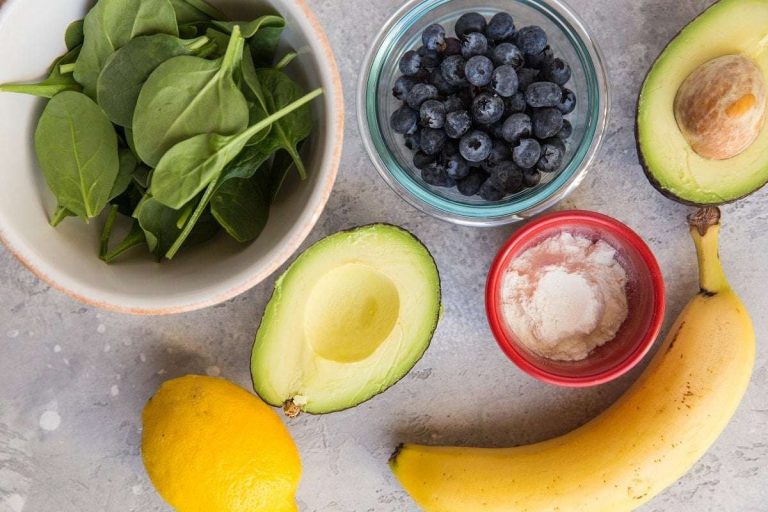
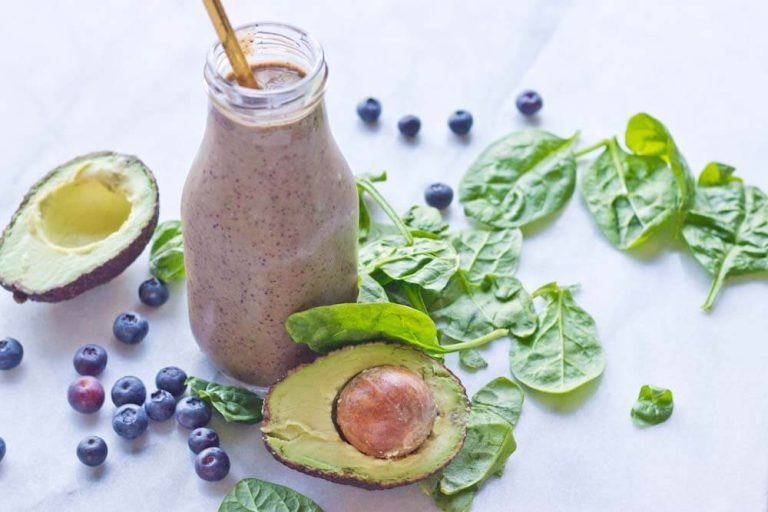
- Smoothies: Smoothies are another great way to get your daily dose of iron. Try blending together leafy green vegetables, fruits, and yogurt for a nutritious and delicious drink.
- Iron-fortified drinks: There are also a number of iron-fortified drinks on the market. These drinks can be a good way to boost your iron intake.
The drinks listed above are all better for people with IDA (iron deficiency anemia) than coffee, they are lower in caffeine and higher in iron.
By drinking coffee alternatives that are lower in caffeine and higher in iron, you can help to improve your iron levels and reduce risks of iron deficiency anemia.
Wrapping Up
While that daily cup of coffee provides a comforting start to your morning, it might not be the best choice if you’re dealing with iron deficiency anemia.
Coffee’s polyphenols can hinder iron absorption, worsen your condition and lead to various problems.
There are other alternatives that provides a comforting ritual without compromising your iron intake.
Opt for tea, fruit and vegetable juices, smoothies, or iron-fortified drinks, as they are lower in caffeine and higher in iron, helping you manage your iron-deficiency anemia more effectively.