Are Fried Eggs Healthy for People with Hypertension?
Are Eggs Bad for Hypertension?
Table of Contents
If you’ve been told by your physician that you have hypertension, you’ve probably heard the usual advice: cut down on salt, avoid certain fried foods, and watch your cholesterol.
But what about fried eggs? They’re quick, tasty, and a breakfast favorite around the world. Should you skip them—or can they actually fit into a heart-healthy diet?
The quick answer: Yes, fried eggs can be safe for people with hypertension—as long as you cook them wisely and eat them in moderation. Let’s break it down together.
Why Food Choices Matter So Much With High Blood Pressure
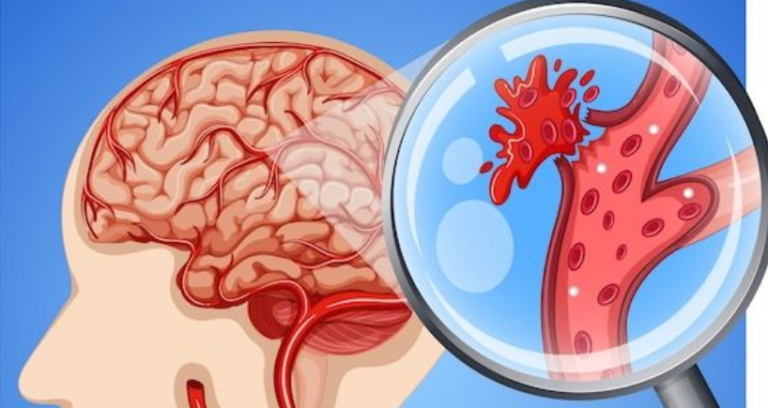
High blood pressure is often called the silent killer because it usually doesn’t cause symptoms until something serious happens—like a stroke, heart attack, or kidney damage. That’s why doctors put so much focus on diet.
One of the top eating plans that is highly recommended is the DASH diet (Dietary Approaches to Stop Hypertension), which emphasizes:
- Plenty of fruits and vegetables
- Whole grains like oats, brown rice, and whole wheat bread
- Lean proteins (fish, chicken, beans, and yes—eggs!)
- Low-fat dairy
- Cutting back on sodium and processed foods
So where do fried eggs fit into this picture? Let’s see.
First, What Makes an Egg Healthy? The Nutrition Breakdown
A large fried egg (cooked with minimal oil) gives you:
- 6 g protein – keeps you full and supports muscle and tissue repair.
- 5 g fat – mostly the good kind, with only 1.5 g of saturated fat.
- 185 mg cholesterol – mostly in the yolk.
- Vitamins & minerals – vitamin B12 (energy & nerves), vitamin D (bones), selenium (antioxidant defense), iron (healthy blood).
- Choline – supports brain and liver health.
The good news: Eggs are rich in nutrients and surprisingly low in calories for the nutrition they provide.
The catch: The egg itself isn’t the issue—it’s how you fry it (oil choice, added salt) and what you serve with it (bacon, sausage, buttered toast) that can turn it into a problem for people with hypertension.
Fried Eggs vs. Hypertension: Where the Concerns Come In
1. Cooking Method Matters
- Boiled or poached eggs require no added fat, making them lower in calories and saturated fat.
- Fried eggs, on the other hand, usually require oil, butter, or margarine. Depending on the cooking fat, this can increase your intake of saturated or trans fats, which are linked to higher blood pressure and heart disease risk.
For example: Frying an egg in butter can add about 7–8 grams of saturated fat, while frying in olive oil adds healthier monounsaturated fats.
2. Sodium Content
People with hypertension are advised to limit salt. Adding table salt while frying or seasoning eggs can raise sodium intake.
Instead: Try black pepper, paprika, turmeric, or herbs like parsley to flavor your fried eggs without adding sodium.
3. Eggs and Blood Pressure: What the Research Says
Older studies suggested eggs raised cholesterol and increased heart disease risk. But newer, large-scale research paints a different picture:
- A 2020 BMJ study (China Kadoorie Biobank, over 500,000 adults): Showed that eating about 1 egg a day was linked to a lower risk of stroke and heart disease [1] [2].
- Meta-analysis of 15 clinical trials: Found that egg consumption had no significant effect on systolic or diastolic blood pressure in adults [3].
- Framingham offspring study: Adults who ate five or more eggs per week actually had lower average blood pressure and a reduced risk of developing hypertension compared to those who rarely ate eggs [4] [5].
- Journal of the American College of Nutrition (2018): Reported that eating eggs in moderation isn’t linked to a higher risk of heart disease in healthy adults [6] [7].
- Egg proteins may lower blood pressure: A Canadian study (Journal of Agricultural and Food Chemistry, 2013) found that a particular peptide from egg whites, called IRW (Ile-Arg-Trp), acts as a natural ACE inhibitor. This is a similar mechanism to some blood pressure medications, which work by blocking the angiotensin-converting enzyme (ACE) that can narrow blood vessels and raise blood pressure [8] [9].
- Moderation is key: Most guidelines (like the AHA) suggest up to one egg per day is safe for most healthy people, even those with high blood pressure.
- Cooking fats make the difference: Studies consistently show that the health risks of fried foods often come from the oils used—not the foods themselves. Using olive oil instead of butter can lower the risk of hypertension and cardiovascular disease.
So, eggs themselves don’t actually raise blood pressure—in fact, they may even have protective effects when eaten in moderation.
The real kicker? It’s not the egg—it’s the cooking oil, salt, and side dishes that matter most.
Fried vs. Boiled vs. Poached: Which Is Best?
Cooking changes how healthy your eggs are:
- Boiled or poached eggs – Best option. No added oil or fat, low calorie, super clean.
- Fried eggs in olive or avocado oil – Still good, as long as you use just a teaspoon. These oils have heart-healthy fats.
- Fried in butter, margarine, or palm oil – Not great. High in unhealthy fats that can raise cholesterol and blood pressure.
- Scrambled eggs with milk, butter, or cheese – Can sneak in extra sodium and fat unless you cook them light.
If you love fried eggs, go for olive oil and don’t overdo the salt.
Read also: Scrambled eggs with avocado: Is it safe for high blood pressure?
Quick Comparison: Cooking Styles
| Cooking Method | Calories | Added Fat | Sodium | Best for Hypertension? |
|---|---|---|---|---|
| Fried in butter | Higher | High saturated fat | Often salted | Not ideal |
| Fried in olive oil | Moderate | Healthy fat | Can be low | Safer option |
| Scrambled with butter/cheese | Higher | High fat & sodium | Often salted | Less ideal |
| Boiled (no salt) | Low | None | None | Excellent |
| Poached | Low | None | None | Excellent |
Bottom line: Boiled or poached are best, but If you love fried eggs, choose heart-healthy oils like olive oil, and limit salt.
Cultural Twist: How People Fry Eggs Worldwide
The way fried eggs are prepared varies across cultures:
- Western style: Sunny-side up or over-easy, often with bacon or sausage (extra sodium alert).
- Asian style: Sometimes deep-fried in oil until crispy. Tasty, but heavy on fat.
- Latin American style: Often served with rice, beans, and plantains—balanced, but watch the oil.
Tip: Deep frying eggs in a lot of oil and pairing them with salty meats can increase health risks. Light pan-frying with olive oil is the best method for people with hypertension.
The Healthiest Way to Enjoy Fried Eggs With Hypertension
Here are some smart swaps:
- Pick the right oil – Olive or avocado oil. Skip butter, lard, margarine.
- Season smart – Black pepper, garlic powder, paprika, turmeric, or fresh herbs instead of salt.
- Choose healthy sides – Pair with veggies, beans, or whole-grain toast instead of bacon or sausages.
- Keep the yolk runny if you like – Sunny-side up or over-easy keeps more nutrients intact.
- Mix it up – Use one whole egg plus extra egg whites for a lighter but still filling meal.
How Many Fried Eggs Can You Eat With High Blood Pressure?
This is the million-dollar question. “How many fried eggs can I eat if I have high blood pressure?” Here’s what science says:
- General guideline: According to the American Heart Association, Up to 1 egg per day is safe for most adults.
- For people with hypertension: Aim for 4–5 eggs per week.
Remember: It’s not just about the eggs. Your diet (lots of veggies, fiber, low sodium) matters far more than whether you eat 4 or 5 eggs in a week.
Final Thoughts
So, are fried eggs healthy for people with hypertension? The answer is: yes—if you cook them right and enjoy them in small quantities.
Here’s the cheat sheet:
- Use olive or avocado oil, not butter.
- Skip salty sides like bacon.
- Add veggies or whole grains.
- Keep it to about 4–5 eggs a week.
- Mix in egg whites for extra protein.
When eaten this way, fried eggs can absolutely be part of a blood pressure–friendly, heart-healthy lifestyle.
References
- Associations of egg consumption with cardiovascular disease in a cohort study of 0.5 million Chinese adults
- Qin C, Lv J, Guo Y, Bian Z, Si J, Yang L, Chen Y, Zhou Y, Zhang H, Liu J, et al. Associations of egg consumption with cardiovascular disease in a cohort study of 0.5 million Chinese adults. Heart 2018;104(21):1756-63.
- Effect of Egg Consumption on Blood Pressure: a Systematic Review and Meta-analysis of Randomized Clinical Trials. Current Hypertension Reports, by Keyhanian, R., Parnianfard, A., Lari, S., et al. (2020).
- Egg Intake Is Associated with Lower Risks of Impaired Fasting Glucose and High Blood Pressure in Framingham Offspring Study Adults
- Egg consumption and risk of cardiovascular disease: three large prospective US cohort studies, systematic review, and updated meta-analysis
- Antihypertensive effect of a chicken egg white protein hydrolysate in spontaneously hypertensive rats