Ferritin Level Below 10 ng/mL: Is it Normal, and How Do I Boost it?
Ferritin Level Below 10 ng/mL: What Does That Mean?
Table of Contents
So, you just got your blood test results back, and your ferritin level is below 10 ng/mL.
Maybe you’re feeling a bit lost or worried, or you’re just trying to figure out what that number even means. You’re probably asking yourself:
- Is this normal?
- Should I be worried?
- What do I do now?
I know how that feels. That number can look pretty intimidating. Don’t worry, a low ferritin level is something we can work on.
I’m here to walk you through what’s going on, what to look for, and a few simple, actionable steps you can take to start feeling better.
What is Ferritin (and Why Does it Matter)?
Ferritin is a protein that stores iron in your body. Think of it like a storage reserve.
Your body pulls from this storage reserve whenever it needs to make new red blood cells.
- If ferritin is high → your storage tank is full.
- If ferritin is low → your tank is almost empty.
Doctors measure the ferritin circulating in your blood to estimate how much iron (fe) you have saved up.
What is a Normal Ferritin Level?
Here’s a quick look at typical reference ranges (they may change slightly by lab):
| Group | Normal Ferritin Range |
|---|---|
| Men | 24 – 300 ng/mL |
| Women | 12 – 150 ng/mL |
| Children | 7 – 140 ng/mL |
| Pregnant women (2nd/3rd trimester) | 10 – 30 ng/mL |
With a result of 10 ng/mL, you’re at the very bottom of the normal range for some women, and below normal for most adults. This points to low iron stores.
Stages of Iron Deficiency (Where 10 ng/mL Fits)
Iron deficiency develops in stages:
| Stage | What’s Happening | Ferritin Level |
|---|---|---|
| Stage 1: Depleted Stores | Body uses up iron reserves | <30 ng/mL |
| Stage 2: Early Deficiency | Ferritin low, hemoglobin may still be normal | <20 ng/mL |
| Stage 3: Iron Deficiency Anemia | Ferritin low + hemoglobin low | <15 ng/mL |
A ferritin below 10 ng/mL means you’re either in early iron deficiency or already in iron deficiency anemia, depending on your hemoglobin.
Why Your Ferritin Might Be Low (10 ng/mL)
Several reasons can cause ferritin to drop this low:
- Blood loss
- Heavy menstrual periods
- Internal bleeding (stomach ulcers, hemorrhoids, colon issues)
- Low dietary intake
- Vegetarian or vegan diets without enough iron-rich foods
- Poor nutrition
- Poor absorption
- Celiac disease
- Inflammatory bowel disease
- Gastric surgery
- Increased demand
- Pregnancy
- Endurance athletes
How Low Ferritin (10 ng/mL) Might Make You Feel
Symptoms can change anytime, but you may notice:
- Constant fatigue or weakness
- Pale skin and brittle nails
- Cold hands and feet
- Dizziness
- Shortness of breath on exertion
- Hair loss or thinning
- Restless legs syndrome
- Frequent headaches
Some people don’t feel symptoms right away, but long-term low ferritin usually catches up with energy levels and health in general.
How to Boost Ferritin if It’s 10 ng/mL
Here’s the good news: you can raise your ferritin through diet and supplements.
1. Eat Iron-Rich Foods
There are two types of iron:
- Heme iron (from animal foods) – absorbed better.
- Non-heme iron (from plants) – absorbed less efficiently.
Best heme iron foods:
- Lean red meat (beef, lamb)
- Chicken, turkey
- Fish (salmon, sardines, tuna)
- Liver (very rich in iron, but not for everyone’s taste)
Best non-heme iron foods:
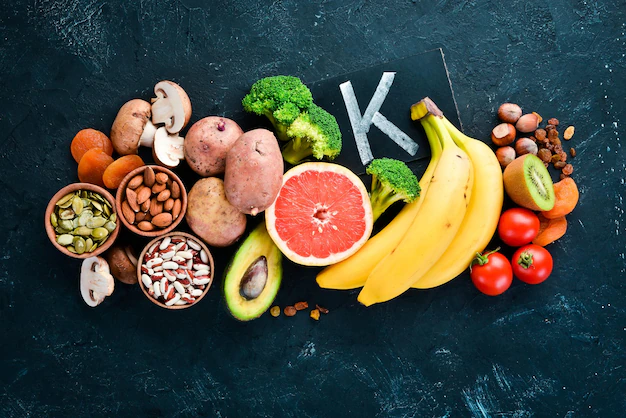
- Lentils, chickpeas, kidney beans
- Spinach, kale, broccoli
- Tofu, tempeh
- Pumpkin seeds, sunflower seeds
- Fortified cereals
2. Boost Absorption Naturally
- Pair iron-rich meals with vitamin C foods (oranges, strawberries, bell peppers).
- Avoid tea, coffee, and calcium supplements around iron-rich meals – they block absorption.
3. Use Iron Supplements (if prescribed)
Sometimes diet isn’t enough, and your doctor may recommend supplements:
- Ferrous sulfate (most common)
- Ferrous gluconate (gentler on the stomach)
- Slow-release iron (for sensitive stomachs)
Don’t self-prescribe – too much iron can be harmful. Always talk to your physician first.
4. IV Iron Therapy — The Fast Track
If your ferritin is extremely low, or if you can’t tolerate supplements, your doctor may suggest IV iron infusions. This bypasses your gut and refills your iron stores much faster.
5. Sample 1-Day Meal Plan to Boost Ferritin
- Breakfast: Oatmeal topped with pumpkin seeds + a glass of orange juice
- Lunch: Lentil soup with spinach + whole-grain bread
- Snack: Apple with almond butter
- Dinner: Grilled salmon with broccoli + roasted sweet potatoes
- Optional: You can also choose to add iron supplement to your meal plan but strictly follow the recommended dosage.
When to Talk to Your Doctor
See your doctor if:
- You feel constantly tired or short of breath.
- You have heavy periods
- You’ve tried boosting iron but ferritin remains low.
- You’re pregnant – low ferritin increases risks for mother and baby.
Doctors may order additional tests:
- CBC (Complete Blood Count)
- Serum iron, TIBC, transferrin saturation
- Stool tests or endoscopy if bleeding is suspected
Key Takeaway: Ferritin Level Below 10 ng/mL
A ferritin level of 10 ng/mL is not normal for most adults – it shows low iron stores.
The good news? With the right mix of diet, absorption hacks, and (if needed) supplements, you can raise your levels and feel better.
Start with food, talk to your doctor, and keep an eye on your ferritin until it climbs back into the healthy range.