8 Causes of Low RBC Count in Adults (and Ways to Improve it)
8 Causes of Low RBC Count in Adults: Learn How I Boosted Mine Naturally
Table of Contents
I used to think feeling exhausted all the time was normal—maybe I was just overworked, not sleeping enough, or getting older. But then, even simple things like walking up the stairs left me out of breath. My skin looked pale, and I had zero energy.
At first, I ignored it. “I’m just tired,” I told myself. But one evening, my wife, Hellen, looked at me and said, “You don’t look okay. You need to see a doctor.”
So, I did. After a quick blood test, my doctor looked at me and said, “Your red blood cell count is low. That’s why you’re so tired—it’s called Anemia.”
Pretty common, actually.”
He explained that red blood cells (RBCs) transport oxygen, and mine were lacking.
That explained the fatigue and paleness.
“What’s causing it?” I asked. “Probably an iron deficiency,” he said. “Lets talk about your diet.“
And that’s when I realized how bad things were. I was a fast-food junkie—burgers, fries, takeout.
I barely touched vegetables or red meat.
He gave me iron supplements and a list of foods to eat:
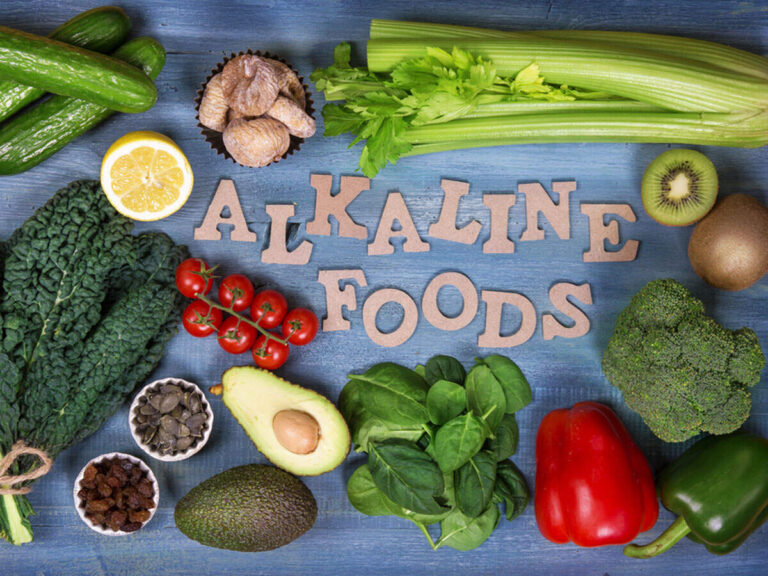
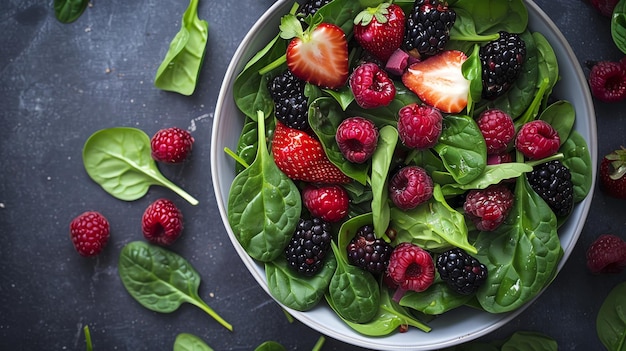
- Spinach, beans, lean red meat
- Fortified cereals
- Vitamin C-rich foods (oranges, bell peppers) to help absorb iron
Changing my diet was hard, but I had help. Hellen, my wife, started cooking iron-rich meals, and we meal-prepped together on weekends.
We made chili with beans and lean beef, roasted veggies, and added more leafy greens to our meals. And you know what? Slowly, I started feeling better.
- The fatigue lifted
- The shortness of breath disappeared
- I regained my color
- My blood tests improved
After a few months, my red blood cell count was back to normal.
I kept up my healthy habits, and felt like a completely different person.
I realized that taking care of myself wasn’t just about avoiding getting sick; it was about feeling good every day.
If you’re struggling with low energy and fatigue, your red blood cell count might be low, and it’s telling you something.
The good news? You don’t have to live like that. In this post, I’ll share:
- 8 common causes of low RBC count
- How I naturally boosted mine
- Easy, science-backed ways to improve your levels
- Myths you need to stop believing about anemia
Here’s what I learned about the causes—and how you can boost your red blood cell count naturally.
Causes of Low RBC Count in Adults
A low RBC count can happen for many reasons. Some are nutritional, some are due to medical conditions, and others result from lifestyle choices.
Here are eight causes of low RBC count you should know, and ways to improve it:
1. Iron Deficiency Anemia
This was my issue, and it’s the most common cause of low RBC count. Your body needs iron to make hemoglobin, the protein in red blood cells that carries oxygen. Without it, you end up exhausted and weak.
Symptoms: Fatigue, dizziness, pale skin, brittle nails.
Solution: I started eating spinach, lentils, red meat, and vitamin C-rich foods to help my body absorb iron better.
2. Folate Deficiency Anemia
Folate (Vitamin B9) is needed for RBC production. A deficiency leads to larger, but fewer, red blood cells that don’t function properly.
Symptoms: Weakness, shortness of breath, tongue swelling.
Solution: Eat leafy green vegetables, beans, oranges, and avocados—they’re loaded with folate.
3. Aplastic Anemia
A rare but serious condition where the bone marrow stops producing enough RBCs.
Symptoms: Frequent infections, bruising, extreme fatigue.
Solution: You’ll need blood transfusions, or a bone marrow transplant.
4. Bone Marrow Disorder
Bone marrow produces healthy red blood cells. Disorders like myelodysplastic syndrome, multiple myeloma, and leukemia, interfere with RBC production.
Symptoms: Frequent infections, easy bruising, unexplained weight loss.
Solution: Treating bone marrow disorder include taking chemotherapy drugs, bone marrow stimulants, or stem cell therapy.
- Chemotherapy Drugs. They’re used to kill abnormal cells in conditions like myelodysplastic syndromes (MDS) and leukemia. Examples:
- Azacitidine (Vidaza)
- Decitabine (Dacogen)
- Cytarabine
- Bone Marrow Stimulants. These medications stimulate the bone marrow to produce more blood cells. Examples:
- Filgrastim (Neupogen)
- Epoetin alfa (Epogen/Procrit)
- Eltrombopag (Promacta)
5. Chronic Kidney Disease (CKD)
Your kidneys produce erythropoietin, a hormone that tells your bone marrow to make RBCs. If your kidneys aren’t working well, your RBC count drops.
Symptoms: Fatigue, swollen legs, difficulty concentrating.
Solution: Treat kidney disease and, in severe cases, EPO injections may help.
6. Inherited Hemolytic Anemia
Some genetic conditions like sickle cell anemia or thalassemia cause RBCs to breakdown faster than the body can replace them.
Symptoms: Jaundice, dark urine, shortness of breath, and spleen enlargement.
Solution: Blood transfusion and medication can help. Here’s a breakdown of commonly used drugs and therapies:
- Corticosteroids: These, like prednisone, are often the first-line treatment for autoimmune hemolytic anemia (AIHA). They suppress the immune system, reducing the destruction of red blood cells.
- Immunosuppressants: If corticosteroids are not effective, other immunosuppressants like rituximab, cyclophosphamide, or azathioprine may be used. These medications further dampen the immune response.
- Folic Acid: This vitamin is essential for making red blood cells. Because hemolysis increases the demand for new red blood cells, folic acid supplements are often prescribed.
- Iron Supplements: In some cases, especially where there is substantial iron loss due to intravascular hemolysis, iron supplements may be used. But, iron therapy is not used for all hemolytic anemias, and must be used with care.
- Pyruvate Kinase-R Activators: Mitapivat is a drug that is used to treat hemolytic anemia in adults with pyruvate kinase deficiency.
- Monoclonal Antibodies: Rituximab, and Sutimlimab are examples of Monoclonal antibodies that are used to treat certain types of hemolytic anemia.
7. Enlarged Spleen
The spleen filters and destroys old RBCs. If it becomes enlarged due to liver disease or infections, it can remove RBCs too quickly.
Symptoms: Feeling full quickly, pain in the left upper abdomen, fatigue.
Solution: Treat infections, liver disease, etc.). In severe cases, spleen removal surgery may be needed.
8. Chronic Blood Loss
Ongoing blood loss from ulcers, heavy periods, or digestive issues can lead to continuous blood loss and low RBC count.
Symptoms: Fatigue, dizziness, dark tarry stools (melena), can indicate bleeding in the upper gastrointestinal tract.
Solution: Find and treat the root cause, and boost your iron levels through iron supplements (oral or intravenous), to replenish iron stores. In cases of severe anemia, blood transfusion may be needed to quickly restore red blood cell levels.
How I Naturally Boosted My RBC Count
1. I Check My Diet
- Iron-rich foods: Red meat, spinach, and lentils
- Folate-rich foods: Leafy greens, beans, and oranges.
- Vitamin B12 foods: Eggs, dairy, and fish.
- Vitamin C foods: Oranges, strawberries, and bell peppers.
My Meal Plan for Red Blood Cell Health:
- Breakfast: Scrambled eggs with spinach and orange juice.
- Lunch: Lentil soup with a side of roasted bell peppers.
- Dinner: Grilled salmon with quinoa and steamed broccoli.
2. I Improved My Daily Habits
- Better sleep – Your body makes RBCs while you sleep. I started aiming for 7-8 hours every night.
- Hydration – Water helps transport oxygen, so I made sure to drink more water throughout the day.
- Exercise – I started doing light cardio and resistance training to boost RBC production.
- Supplements – I take my iron and folate supplements after meals. There are lots of different supplements sold online, I’ve tried a few ones that helped me, and you should try it too. Here’s a list of the supplements I recommend for you:
- Lactoferrin
- Iron blood builder
- Bioactive folate
- Ultra B complex
3. I Avoided Common Mistakes
- Too much iron can be toxic so I stuck to the recommended supplement dose.
- Drinking coffee with meals blocks iron absorption – I waited an hour after eating before having coffee.
Common Myths vs. Facts
Myth: Only vegetarians get iron deficiency anemia.
Fact: Even meat-eaters can develop anemia due to poor absorption or chronic illness.
Myth: Taking iron supplements always fixes anemia.
Fact: Anemia can be caused by kidney disease, bone marrow disorders, or chronic inflammation, where iron alone won’t help.
Takeaway
I never realized how important red blood cells were until I struggled with low levels.
But with the right diet, lifestyle habits, and medical care, I got my energy back.
Want to learn more about iron-rich foods? Check out my guide on 10 iron-rich foods for healthy blood.