10 Foods to Boost RBC Count Naturally
Top 10 Delicious Foods to Boost RBC Count
Table of Contents
Imagine waking up every morning feeling drained, as if you hadn’t slept at all.
You struggle to focus, your skin looks pale, and even climbing a flight of stairs makes your heart race. I was always tired.
Not just “I need a nap” tired, but the kind of bone-deep exhaustion that made daily tasks feel impossible.
Climbing stairs? Forget about it. After weeks of feeling like a walking zombie, I finally went to my doctor.
Blood tests revealed I had anemia—my red blood cell count was dangerously low. I was hesitant about medication, so I asked about dietary changes.
My doctor recommended a combination of iron-rich foods, folate, and vitamin B12, crucial for making red blood cells.
I decided to make a change. What followed was a complete overhaul of my eating habits, and the results were truly transformative. If you’re struggling with low energy, or dizziness, it might be low RBC levels—and your diet could be the key to solving the problem.
Why Red Blood Cells Matter More Than You Think
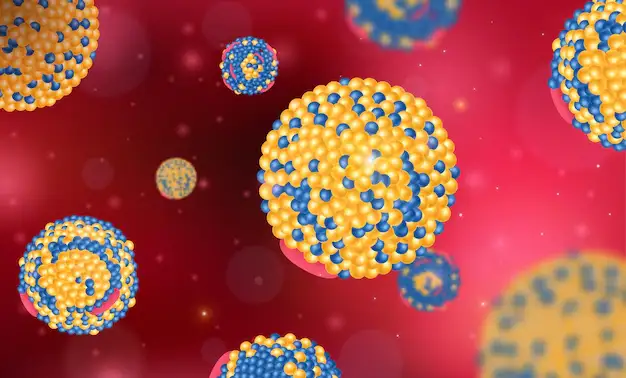
Red blood cells are your body’s oxygen carriers. When you don’t have enough, everything feels harder—your energy plummets, you get dizzy easily, and even normal activities leave you breathless.
But here’s the good news: By eating the right foods, you can naturally increase your RBC count and regain your energy.
The Science Behind It
- Helps your body produce enough hemoglobin.
- Vitamin B12 helps in the formation of RBCs and prevents anemia.
- Folate supports healthy RBC production and prevents abnormal cell formation.
According to the American Society of Hematology, iron deficiency is the leading cause of anemia worldwide, affecting more than 1.6 billion people.
A study in the Journal of Hematology found that eating foods that are rich in iron alongside vitamin C increased iron absorption by 30%, leading to improved RBC levels within 8 weeks.
Medical experts also emphasize that vitamin B12 and folate are critical for preventing anemia.
10 Foods to Boost RBC Count
Here’s how I incorporated ten powerful foods into my diet to boost my RBC count—plus easy recipe ideas so you can do the same.
1. Beef Liver
I’ll have to admit, this one was the most challenging. I’d never been a fan of organ meats. But after learning it’s packed with iron, folic acid, and vitamin B12, I gave it a shot. I found a pan-seared liver with caramelized onions, which, surprisingly, was delicious spread on whole-grain crackers.
The high iron content in beef liver is a game changer. It’s like a concentrated shot of what your body needs for making RBCs.
Why It’s Good for RBCs: Beef liver has 5 mg of iron, 147 mcg of folate, and 70 mcg of vitamin B12.
Recipe: Pan-Seared Liver with Caramelized Onions
- Slice beef liver, dredge in seasoned flour, and sear in olive oil.
- Add sliced onions and cook until caramelized.
- Deglaze with balsamic vinegar for extra flavor.
2. Turkey
Turkey became my go-to lean protein. I started grilling turkey burgers and adding slices of turkey breast to my salads.
It’s a great source of heme iron, which is more easily absorbed by the body than non-heme iron found in plant-based foods. It was a comforting, familiar food that I could easily incorporate into my daily meals.
Why It’s Good for RBCs:
- Iron: 1.5 mg (8% DV)
- Vitamin B12: 1.5 mcg (63% DV)
I started making turkey meatballs and turkey chili, which were easy to batch-cook and freeze.
Recipe: Turkey & Black Bean Chili
- Brown ground turkey, add black beans, diced tomatoes, onions, garlic, chili powder, and cumin.
- Simmer until thickened.
3. Clams
Since I already loved seafood, adding clams to my diet was easy. Clams are another excellent source of heme iron, and they’re also packed with vitamin B12.
I made steamed clams in garlic white wine sauce and felt a difference in my energy within a few weeks.
Why It’s Good for RBCs:
- Iron: 24 mg (133% DV)
- Vitamin B12: 22 mcg (917% DV)
Recipe: Linguine with Clams
- Sauté garlic and red pepper flakes in olive oil.
- Add canned clams (with juice), white wine, and cooked linguine.
- Toss with fresh parsley.
4. Black Beans
I’m not a vegetarian but I wanted to make sure I was getting a diverse range of iron sources. Black bean chili became a staple in my kitchen.
Black beans are a great source of non-heme iron, and they’re also high in fiber.
I learned that pairing them with vitamin C-rich foods significantly improved iron absorption.
Why It’s Good for RBCs:
- Iron: 2 mg (11% DV)
- Folate: 128 mcg (32% DV)
I started making black bean chili, black bean salads, and black bean burgers.
Recipe Idea: Black Bean Burgers
- Mash cooked black beans, mix with breadcrumbs, onions, garlic, spices, and an egg.
- Form into patties and pan-fry.
5. Yogurt
I always had yogurt in my fridge, but I never realized it contained vitamin B12 and small amounts of iron.
Why It’s Good for RBCs: Yogurt contains 1.3 mcg of vitamin B12.
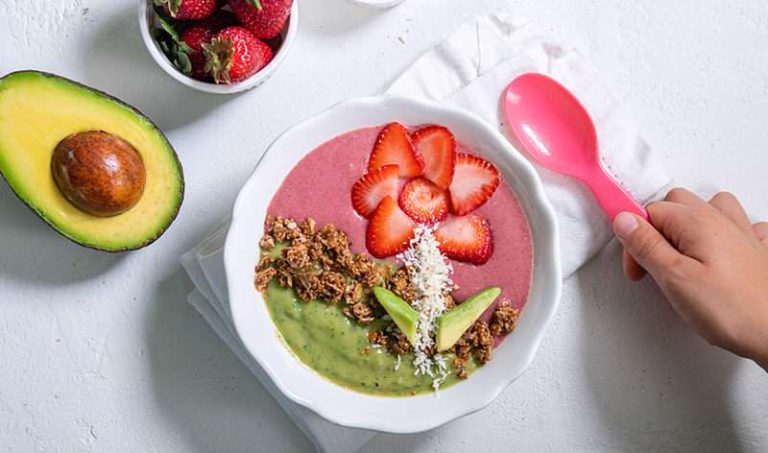
I add yogurt to smoothies, mix it with berries and a drizzle of forever bee honey for a satisfying snack or breakfast.
Yogurt Parfait Recipe: Layer yogurt, berries, and granola in a glass.
6. Eggs
Eggs are a versatile and readily available source of iron and other nutrients.
I started making omelets with spinach and tomatoes, and I also enjoyed hard-boiled eggs as a mid-afternoon snack.
The iron in the yolk, along with the other vitamins and minerals, helped to give me a sustained energy boost.
Why It’s Good for RBCs:
- Iron: 1 mg (6% DV)
- Vitamin B12: 0.6 mcg (25% DV)
Spinach & Feta Omelet Recipe: Sauté spinach, add beaten eggs, and crumble feta cheese.
7. Oranges
I made sure to include a daily dose of vitamin C, I learned that pairing vitamin C with iron helps absorption. Oranges were my go-to fruit. I’d drink a glass of fresh orange juice with my breakfast.
Why It’s Good for RBCs: An orange has about 70 to 100 mg of vitamin C, which helps iron absorption.
Recipe: Orange & Avocado Salad
- Combine sliced oranges, avocado, red onion, and a light vinaigrette.
8. Salmon
I always loved salmon, but I had no idea it contained iron. So I started grilling salmon and roasting it with asparagus.
Salmon is not only a good source of iron but also rich in omega-3 fatty acids.
Why It’s Good for RBCs:
- Iron: 0.8 mg (4% DV)
- Vitamin B12: 2.6 mcg (108% DV)
I loved making baked salmon with roasted asparagus—simple, healthy, and delicious.
Recipe: Baked Salmon with Asparagus
- Season salmon fillets, arrange asparagus on a baking sheet, drizzle with olive oil, and bake.
9. Asparagus
I never paid much attention to asparagus, but once I learned it’s rich in folate, I started roasting it with olive oil and garlic, and I also added it to stir-fries. The mild, earthy flavor and nutrient density made it a valuable part of my diet.
Why it’s Good for RBCs: Asparagus has about 70 mcg of Folate.
Recipe: Roasted Asparagus
- Toss asparagus with olive oil, salt, and pepper.
- Roast until tender.
10. Cashews
For a snack that satisfied my cravings and provided a boost of iron, I turned to cashews. A handful of cashews became my favorite snack. I even made cashew butter to spread on toast.
Why It’s Good for RBCs: Cashews contain 1.9 mg of iron.
Cashew Butter Recipe: Blend roasted cashews until smooth.
Try This Simple One-Day Meal Plan
Here’s a simple meal plan to help you start boosting your RBC count today.
- Breakfast: Scrambled eggs with turkey and spinach.
- Lunch: Black bean salad with grilled salmon and orange slices.
- Dinner: Beef liver stir-fry with asparagus.
- Snack: Greek yogurt with cashews.
Final Thoughts
If you’re feeling constantly tired, foggy, or weak, your red blood cells may need a boost. But before turning to supplements, try adjusting your diet. These 10 foods are not only delicious and easy to add into your meals, they naturally support RBC production. So start incorporating these ten powerful foods today.