10 Causes of Low HB (and What to Do About It)
Learn the Causes of Low HB
Table of Contents
Do you often feel exhausted, lightheaded, or short of breath even after a full night’s sleep? Do simple tasks—like climbing stairs—leave you gasping for air? These could be signs that your hemoglobin (HB) levels are too low.
When there’s a shortage of Hemoglobin, your body’s energy supply chain also slows down, leaving you drained, dizzy, and unable to function at your best.
But why does this happen? And more importantly—what can you do about it?
Let’s break it down.
When Low HB Took Over My Life
It started with this nagging tiredness. I figured I was just overworked, maybe not sleeping enough. But even after a full weekend of rest, I still felt like a zombie.
This was like dragging myself through mud all day, even after a weekend of trying to catch up on sleep.
I just thought I was stressed from work, you know? Everyone feels run down sometimes. But it didn’t let up. It just kept getting worse. Suddenly, climbing the stairs to my apartment felt like I was scaling a mountain. I’d be gasping for air at the top, my heart going crazy.
I started making excuses to avoid going out with friends. The truth was, I was just too tired.
Evenings I used to spend at the gym or hanging out with people were now spent just plopped on the couch, staring at the TV but not really paying attention.
My head felt fuzzy, like I couldn’t think straight. I was snappy with my girlfriend, even though I knew I shouldn’t be. I knew something was definitely wrong.
So, I finally went to the doctor. After a blood test, she told me my “hemoglobin” was low.
She explained it meant my blood wasn’t carrying enough oxygen around my body.
That made so much sense! That explained why I was so tired and out of breath all the time. It was a relief to finally know what was going on, but it was also kind of scary.
I started with iron supplements. They tasted disgusting and gave me a terrible stomach ache, but I stuck with it.
For a little while, I thought they were helping. I had a tiny bit more energy, but it wasn’t nearly enough. I still felt like I was running on fumes.
So, back to the doctor I went. More tests, more confusing medical terms. We tried changing the dose, different kinds of iron.
Nothing seemed to make a difference.
After months of feeling like a zombie, my doctor sent me to a hematologist.
This guy ran a bunch of tests and figured out that my body wasn’t absorbing the iron properly.
Turns out, there was something going on in my gut that was messing things up.
Finally! We knew what the problem was. He told me I needed to get iron through an IV.
The thought of a needle freaked me out, but I was so desperate, I would have tried anything. Those IV iron treatments have been life-changing.
It’s not like I’m suddenly Superman, and I still have days where I’m more tired than others, but I can actually live my life now.
I can climb those stairs without feeling like I’m going to collapse. I’ve even started going back to the gym, just taking it easy.
This whole thing has taught me a lot. It’s taught me to pay attention to my body and not ignore how I’m feeling. It’s also taught me that I need to speak up at the doctor’s office.
If something doesn’t feel right, you have to keep asking questions. And the biggest thing I’ve learned is that I’m tougher than I thought. I’m still dealing with this, but I’m finally starting to feel like myself again.
And through it all, I learned a powerful lesson: never ignore what your body is trying to tell you.
Do You Have Low HB? A Quick Self-Check
Check if you have these symptoms:
- Unexplained fatigue
- Shortness of breath (even with minimal activity)
- Frequent headaches
- Pale or yellowish skin
- Dizziness when standing up
- Cold hands and feet
- Irregular heartbeat
- Brittle nails or hair loss
If you checked 3 or more, it’s time to have your hemoglobin levels tested. Read also: 7 weird Signs of Low Hemoglobin Levels
Let’s take a look at the causes of low HB and what to do about it.
10 Causes of Low Hemoglobin (HB)
In this post, we’ll talk about the 10 causes of low HB, how they affect your body, and what you can do to restore healthy levels.
1. Iron Deficiency
Iron is the building block of hemoglobin, and without iron, your body struggles to produce more red blood cells.
Iron deficiency anemia is one of the most common causes of low HB levels.
Why it happens:
- Poor dietary intake of iron (not eating enough red meat, leafy greens, or legumes).
- Blood loss from surgery, or ulcers.
- Poor iron absorption due to Celiac disease or Crohn’s disease.
Who’s at Risk?
- Women with heavy periods
- Pregnant women
- Vegetarians and vegans
- Athletes with intense training
What to Do:
- Eat iron-rich foods like spinach, lentils, lean meats, fish, tofu, and fortified cereals.
- Pair iron-rich foods with vitamin C sources (like oranges, bell peppers, and strawberries) to improve absorption.
- Avoid drinking tea or coffee with meals, as they inhibit iron absorption.
- Take an iron supplement.
2. Heavy Menstrual Periods
Excessive blood loss during menstruation can significantly lower hemoglobin levels, leading to fatigue and weakness.
Why it happens:
- Hormonal imbalances.
- Fibroids or endometriosis.
- Blood clotting disorders.
What to Do:
- Track your menstrual cycles and discuss heavy bleeding with your doctor.
- Eat iron and folate-rich foods to replenish lost nutrients.
- Consider birth control pills to regulate menstrual flow.
3. Internal Bleeding
Bleeding slowly inside your body might not be obvious, but it can cause your HB count to drop to a dangerously low level over time.
Why it happens:
- Ulcers, gastritis, or inflammatory bowel disease (IBD).
- Colon polyps or cancers.
- Chronic use of NSAIDs (like ibuprofen), can cause stomach bleeding.
What to Do:
- Pay attention to symptoms like dark stools, abdominal pain, and unexplained fatigue.
- Get screened for ulcers, gastritis, or digestive disorders.
- Avoid overuse of painkillers like ibuprofen and aspirin.
4. Blood Donation
Regular blood donation is beneficial for others, but it temporarily reduces your HB levels.
Why it happens:
- Your body needs time to replace lost red blood cells after donation.
- Frequent donations without proper recovery can lead to low iron stores.
What to Do:
- Space out donations by at least 8 to 12 weeks.
- Eat iron-rich foods before and after donation.
- Drink plenty of water to support blood production.
5. Kidney Disease
Your kidneys produce a hormone called erythropoietin (EPO), which signals your bone marrow to create red blood cells.
When your kidneys are damaged, they may not produce enough EPO, leading to low HB levels.
Why It Happens:
- Chronic kidney disease (CKD).
- Diabetes or hypertension-related kidney damage.
- Kidney infections
- Kidney inflammation.
What to Do:
- Check your kidney function with regular blood tests.
- Stay hydrated and limit salt intake to support your kidneys.
- Discuss EPO therapy with your doctor if you have CKD.
6. Rheumatoid Arthritis (RA) and Chronic Inflammation
Autoimmune diseases like RA cause chronic inflammation, which suppresses red cell production and shortens their lifespan.
Why it happens:
- Inflammatory cytokines interfere with bone marrow function.
- Chronic diseases like lupus, IBD (inflammatory bowel disease), and cancer can have similar effects.
What to Do:
- Manage inflammation with anti-inflammatory foods (like turmeric, omega-3 fatty acids, and green tea).
- Follow prescribed medications for autoimmune conditions.
- Check HB levels regularly if you have a chronic disease.
7. Exposure to Toxins
Some toxins can directly damage the cell membrane of red cells, causing them to rupture prematurely. This reduces the number of circulating red blood cells and hemoglobin levels. Examples of toxins include lead, arsenic, cadmium, and other industrial chemicals.
Why It Happens:
- Lead poisoning from contaminated water, old paint, or industrial exposure.
- Pesticides and heavy metals interfering with blood cell production.
What to Do:
- Limit exposure to chemicals by using safer household products.
- Eat antioxidant-rich foods like berries, nuts, and leafy greens to support detoxification.
- Get tested for heavy metal toxicity if you suspect exposure.
8. Sickle Cell Anemia
Sickle Cell Disease is a genetic disorder where red blood cells become disoriented and break down more quickly, leading to chronic low hemoglobin levels.
Why it happens:
- Abnormally shaped RBCs don’t carry oxygen efficiently.
- SCD patients often have hemoglobin levels below the normal range.
What to Do:
- Stay hydrated to reduce the risk of a sickle cell crisis.
- Avoid high altitudes and extreme temperatures.
- Follow hydroxyurea and blood transfusions if prescribed.
9. Infections
Severe infections can lower HB levels by suppressing bone marrow function. Infections can interfere with the bone marrow’s ability to produce new red blood cells. This can be due to inflammation, which can suppress the production of erythropoietin.
Why it happens:
- Chronic infections like HIV, tuberculosis, or hepatitis.
- Prolonged inflammation affecting RBC production.
What to Do:
- Boost your immune system with a healthy diet, enough sleep, and hydration.
- Get vaccinated and take precautions to prevent infections.
- Seek treatment for chronic infections that may be affecting your blood health.
10. Chemotherapy Drugs
Chemotherapy drugs are designed to kill rapidly dividing cells, like cancer cells.
But, they can also damage healthy cells, including those in the bone marrow that produce red blood cells. When these cells are damaged, the body can’t produce enough red cells, leading to a decrease in hemoglobin levels.
Why it happens:
- Chemo drugs target fast-growing cells, including red blood cells.
- Radiation therapy can also damage bone marrow function.
What to Do:
- Check your HB during treatment.
- Eat a nutrient-dense diet to support red blood cell production.
- Get a blood transfusion.
- You can also take erythropoietin-stimulating agents.
How to Boost Hemoglobin Naturally (7-Day Plan)
If you have low HB, here’s a 7-day plan that can help you boost it naturally:
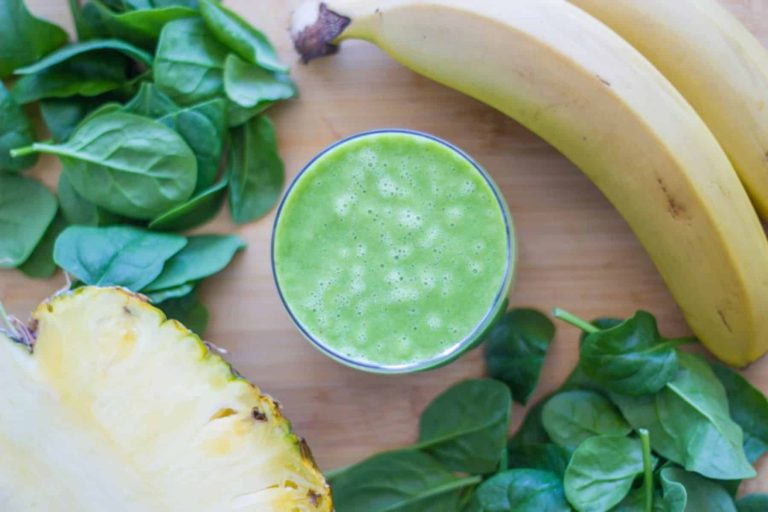
- Day 1: Iron-rich smoothie: Spinach, banana, and orange juice.
- Day 2: Drink beetroot + pomegranate juice for a natural iron boost.
- Day 3: Lean red meat + vitamin C (steak + bell peppers).
- Day 4: Avoid drinking coffee with meals to prevent iron-blocking.
- Day 5: Have lean red meat or a plant-based iron source (lentils, tofu).
- Day 6: Legumes + quinoa (plant-based iron boost).
- Day 7: Probiotic foods: Yogurt, sauerkraut, kimchi (helps absorption).
Debunking Myths About Low HB
Myth 1: “Only vegetarians get low hemoglobin.”
Fact: Even meat eaters can have low HB due to poor absorption.
Myth 2: “If I take an iron pill, I’ll be fine.”
Fact: Not always! You need vitamin C, a healthy gut, and the right type of iron.
Takeaway
Low hemoglobin isn’t just about feeling tired—it can affect your entire life. So if you’re experiencing symptoms, don’t brush them off. Get your levels checked and take action.