10 Ways to Slow Down Sugar Spikes After Eating
Simple Ways to Slow Down Sugar Spikes After Meals
Table of Contents
I used to hit a wall every afternoon. Right after lunch, I’d feel completely drained, like I needed a nap. And what did I reach for? Something sugary—maybe a cookie or a sweet coffee—to get a quick boost.
But that little pick-me-up never lasted long. Before I knew it, I was crashing again, feeling even worse than before.
Then, a friend told me about blood sugar spikes and how certain foods cause a sudden sugar rush, followed by an energy crash. That got me curious.
I started making small changes—switching out white bread for whole wheat, adding protein and healthy fats, and tweaking the order I ate my food.
The difference? Huge! No more afternoon crashes, no more constant cravings. I had steady energy throughout the day.
And the best part? These changes were simple—things anyone can do!
If you’re tired of sugar crashes and energy dips, here are 10 ways to slow down glucose absorption and keep your blood sugar level normal.
1. Eat More Fiber-Rich Foods
Fiber slows down how fast glucose enters your bloodstream so you don’t get a big spike.
Easy swaps:
- Instead of white bread, choose whole-grain or sprouted bread.
- Instead of sugary cereal, try oatmeal with nuts and berries.
- Instead of regular pasta, use whole wheat or lentil pasta.
Bonus Tip: Adding flaxseeds or chia seeds to your smoothie gives you extra fiber and helps keep you full longer!
Common Mistake: Eating fiber without enough water. Fiber needs water to do its job—so drink up!
2. Add Healthy Fats to Your Meals
Fats help slow down digestion, which means sugar doesn’t flood your system all at once.
Healthy fat options:
- Avocados (add slices to your toast or salads)
- Nuts and seeds (sprinkle them on your meals or eat as a snack)
- Olive oil (use it for cooking instead of vegetable oils)
- Fatty fish like salmon (great for dinner)
Example: Instead of just eating toast with jam, spread almond butter on whole-grain bread for a steadier energy boost.
Common Mistake: Thinking all fats are good—avoid trans fats found in fried foods and packaged snacks.
3. Pair Carbs with Protein
Carbs break down into glucose, but when you eat them with protein like fish or egg, glucose is absorbed more slowly.
Easy meal ideas:
- Apple + peanut butter
- Whole wheat toast + eggs
- Greek yogurt + cashew nuts
Why it works: Protein keeps you full longer and helps balance your blood sugar levels.
Common Mistake: Eating carbs alone, which can lead to a quick sugar spike.
4. Try Apple Cider Vinegar Before Meals
Apple cider vinegar (ACV) slows down glucose absorption and improves insulin response.
How to use it. Mix 1 tablespoon of apple cider vinegar in a glass of water and drink it before meals.
Science Fact: A study published in the journal Diabetes Care in 2007 found that consuming 2 tablespoons of apple cider vinegar at bedtime lowered fasting blood sugar levels in people with type 2 diabetes by up to 6%. Another study, published in the European Journal of Clinical Nutrition in 2004, found that consuming apple cider vinegar with a meal reduced post-meal blood sugar levels by up to 30%.
Common Mistake: Drinking it straight—it can damage your teeth! Always dilute it with water.
5. Eat Your Food in the Right Order
Did you know the order in which you eat your food can affect blood sugar levels?
Best eating order:
- Start with veggies.
- Eat protein and healthy fats.
- End with carbs (digests slower this way).
Example: If you’re having grilled chicken, salad, and rice, eat the salad first, then the chicken, and finish with the rice.
Why it works: A study published in the Journal Diabetes Care in 2014 found that people with type 2 diabetes (T2DM) who consumed a high-fiber meal before a high-carbohydrate meal had a 37% lower blood sugar spike than those who ate the carbohydrate meal first.
Common Mistake: Eating carbs first, can cause a sugar rush and crash later.
6. Move Around After Eating
Sitting down after a meal? That’s a big mistake! Moving helps your muscles use up glucose before it builds up in your blood.
Best post-meal activities:
- Take a 10 to 20-minute walk
- Do some light stretching
- Clean up around the house
Quick Fact: A study found that three short walks (15 minutes each) after meals were as effective at reducing blood sugar over 24 hours as a single 45-minute walk.
Read article: Faculty Research Highlights Potential Benefits of Walking to Prevent Type-2 Diabetes
Common Mistake: Lying down or sitting for hours after eating—it makes sugar spikes worse!
7. Eat More Resistant Starch
Resistant starch is a special type of carb that digests slower and keeps your blood sugar normal.
Best sources:
- Cooked and cooled rice or potatoes
- Lentils and beans
- Green bananas
Example: Cook potatoes, let them cool overnight, then reheat them—this makes them lower in sugar-spiking carbs!
Common Mistake: Eating only freshly cooked rice or potatoes—cooled versions have more resistant starch.
8. Cut Back on Processed Foods
Processed foods digest faster, leading to sugar spikes.
Foods to avoid:
- White bread & pasta
- Sugary cereals
- Packaged snacks (chips, cookies)
Better choices:
- Whole grains
- Fresh fruits and veggies
- Homemade snacks
Example: Instead of a bag of chips, grab some almond nuts or carrot sticks with hummus.
Common Mistake: Thinking “low-fat” foods are healthy—many of them are packed with sugar!
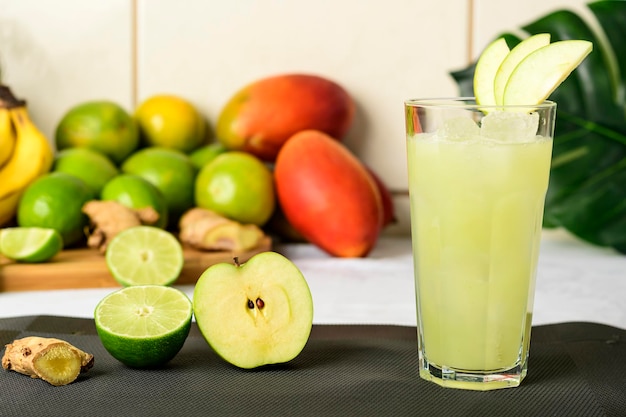
9. Drink Vegetable Juice
Drinking fresh vegetable juice (without added sugar) helps slow down sugar spikes by providing fiber, antioxidants, and essential nutrients.
Best vegetable juices for glycemic control:
- Aloe cucumber kale juice (hydrates and stabilizes blood sugar)
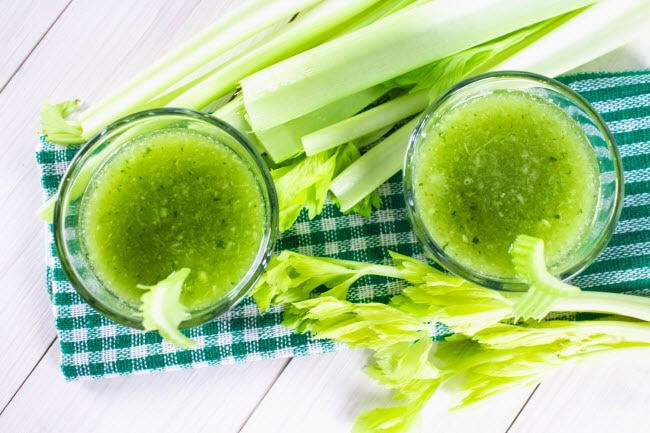
- Celery lime juice (helps prevent sugar spikes after meals)
- Carrot, beet, and ginger juice (rich in fiber and antioxidants)
Example: Instead of fruit juice (which can spike blood sugar), opt for a fresh veggie juice with some lemon and ginger.
Try these:
- Pear spinach lemon juice
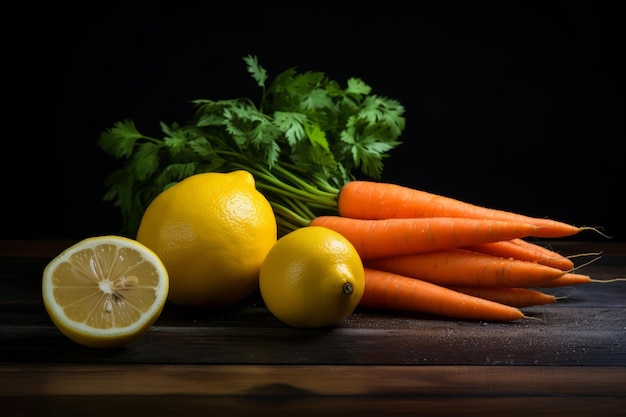
- Carrot lemon juice
- Cucumber pear lemon juice
- Beet ginger juice
- Aloe vera ginger lime juice
Common Mistake: Buying store-bought vegetable juice with added sugars—always go for fresh homemade juice.
10. Get Enough Sleep and Manage Stress
Not getting enough sleep (rest) or feeling stressed raises cortisol, which messes with blood sugar levels.
Best habits for stable blood sugar:
- Get 7–9 hours of sleep per night
- Try deep breathing or meditation
- Do regular exercise
Quick Fact: Chronic stress makes your body release more sugar into your blood, even if you’re not eating sweets. A study looked at how stress leads to diabetes, both type 1 and type 2. They found that stress, whether it’s emotional or physical, can be significant triggers for the onset of type 1 and type 2 diabetes.
Read article: Stress-Induced Diabetes: A Review
Common Mistake: Relying on caffeine and sugar to fight fatigue—it makes blood sugar worse.
Take the 7-Day Challenge
Now that you know these 9 simple ways, I challenge you to try at least 3 of them for the next 7 days.
Here’s what to do:
- Pick 3 tips that seem easiest for you.
- Try them consistently for a week.
- Notice how your energy and cravings change!