14 Best Green Juices for Diabetes (& Foods to Eat With Them)
14 Green Juices for Diabetes (& What to Eat With Them)
Table of Contents
When I first started trying green juices, I honestly thought they were just another passing health trend. But after watching a few of my friends with type 2 diabetes include these drinks in their routines—and actually see their blood sugar stabilize—I got curious. I decided to give them a try myself.
What I learned is, the right green juice, especially when paired with the right food, can do more than just refresh you.
It can help balance your blood glucose, boost your energy, and fit perfectly into a diabetic-friendly lifestyle.
Below, I’m sharing 14 green juice recipes I’ve tried myself and recommended them to diabetic friends—along with why they work, what to eat with them, and some science-backed notes to help you get the most out of each one.
Why Green Juice Can Be Good for Diabetes
Here’s why I believe green juices deserve a spot in a diabetic meal plan:
- They’re rich in micronutrients like magnesium, folate, vitamin C, and iron.
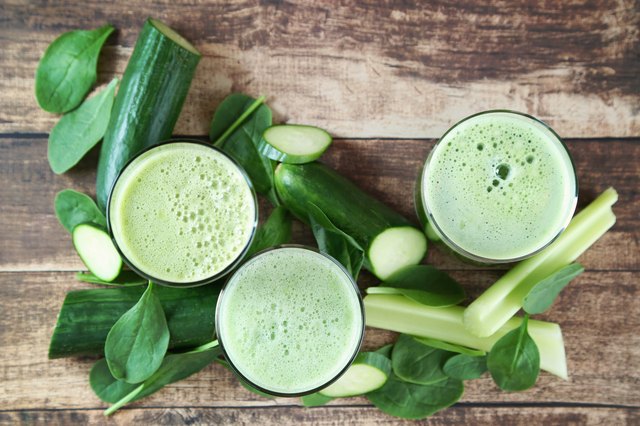
- They’re made mostly with low-glycemic vegetables, not sugary fruits.
- Ingredients like bitter melon, aloe vera, spinach, kale, cucumber, celery, and ginger have been studied for their effects on blood sugar and insulin sensitivity.
- When you drink them alongside protein or healthy fats, your body digests them more slowly—helping prevent sudden glucose spikes.
A Quick Note on Safety
Before you start juicing, keep these tips in mind:
- Stick to 1 cup (8–10 oz) per day.
- Always pair your juice with protein and fiber to slow sugar absorption.
- Monitor your blood sugar when trying new juice recipes to see how your body reacts.
- If you’re on Insulin or Metformin, check with your doctor first.
The 14 Green Juices for Diabetes
1. Aloe Carrot Bitter Melon Juice
I’ll be honest — bitter melon has a strong flavor. But when I blend it with carrot and aloe, it turns into a drink that’s not only tolerable but surprisingly good.
- Why it helps: Bitter melon contains charantin, a compound known to help lower blood sugar. Aloe vera supports insulin sensitivity, and carrot adds fiber and beta-carotene.
- Best time to drink: Morning, before breakfast.
- Pair with: A boiled egg or a handful of almonds.
- Nutrition snapshot: ~65 calories | 13g carbs | Low GI
A study published in the Journal of Ethnopharmacology shows that bitter melon may lower fasting blood glucose in people with type 2 diabetes. The study compared the Hypoglycemic effect of bitter melon with metformin in newly diagnosed type 2 diabetes patients [1].
The study used newly diagnosed patients with Type 2 diabetes who were between 35 and 70 years of age.
They were selected based on having high glucose levels (Fasting Plasma Glucose ≥126 mg/dL or a 2-hour postprandial glucose ≥200 mg/dL after a 75-g oral glucose tolerance test).
Participants were randomized into four groups for the 4-week trial:
- Bitter Melon: 500 mg/day
- Bitter Melon: 1000 mg/day
- Bitter Melon: 2000 mg/day
- Metformin: 1000 mg/day (the active-control group)
The primary findings were:
- The bitter melon 2000 mg/day group showed a significant reduction in fructosamine levels (a measure of average blood sugar over a few weeks) [2].
- The metformin 1000 mg/day group also showed a significant, and more pronounced, decline in fructosamine.
- The two lower doses of bitter melon (500 mg/day and 1000 mg/day) did not result in a significant decrease in fructosamine levels [3].
The study concluded that bitter melon at a dose of 2000 mg/day had a modest hypoglycemic effect in newly diagnosed Type 2 diabetes patients, but its effect was less than that of metformin 1000 mg/day.
Read: Aloe Carrot Bitter Melon Juice: A Natural Remedy to Help Balance Glucose Levels in Women Over 30
2. Aloe Cucumber Bitter Melon Juice
This one feels like a cool breeze on a hot day — light, hydrating, and refreshing.
- Why it helps: Cucumber hydrates, aloe supports glucose control, and bitter melon helps lower blood sugar naturally.
- Best time to drink: Mid-morning.
- Pair with: Whole-grain toast topped with avocado.
- Nutrition snapshot: ~40 calories | 9g carbs | Low GI
3. Apple Aloe Vera Lime Juice
I make this when I’m craving something sweet and tangy. The lime keeps the sweetness in check, while aloe balances the mix. The apple adds just enough sweetness without spiking sugar levels.
- Why it helps: A small amount of apple gives mild sweetness, aloe supports insulin sensitivity, and lime adds vitamin C for antioxidant protection.
- Best time to drink: Afternoon pick-me-up.
- Pair with: Plain Greek yogurt or cottage cheese.
- Nutrition snapshot: ~70 calories | 16g carbs | Medium GI
Read: Apple Aloe Vera Lime Juice: A Post-Dinner Detox for Stable Blood Sugar
4. Aloe Vera Celery Ginger Juice
Whenever I feel bloated or heavy, this is my go-to. I often recommend this to friends too. It’s light, soothing, and helps with digestion.
- Why it helps: Celery helps with hydration and potassium balance, ginger improves insulin response, and aloe supports blood sugar regulation.
- Best time to drink: Before meals.
- Pair with: A chickpea salad or roasted nuts.
- Nutrition snapshot: ~30 calories | 6g carbs | Very Low GI
Read: Diabetic-Friendly Delight: This Refreshing Aloe Vera Celery Ginger Juice Balances Your Blood Sugar
5. Broccoli Spinach Ginger Juice
This one tastes green — but in the best way. I like it after workouts because it feels like I’m refueling my cells.
- Why it helps: Broccoli and spinach are rich in magnesium, which supports insulin function. Ginger helps improve digestion and reduces inflammation.
- Best time to drink: Midday, especially before lunch.
- Pair with: Lentil soup or grilled chicken.
- Nutrition snapshot: ~45 calories | 7g carbs | Very Low GI
Read: Relax Before Bedtime: This Soothing Broccoli Spinach Ginger Juice Helps Balance Your Blood Sugar
6. Celery Broccoli Apple Juice
This one’s great if you’re new to green juices — it’s mild with a little sweetness from the apple. The apple makes this juice more approachable if you’re not a fan of pure greens.
- Why it helps: Celery and broccoli help regulate blood sugar and support detox, while apple adds just enough sweetness without overloading carbs.
- Best time to drink: Morning or pre-workout.
- Pair with: Boiled egg or hummus with veggie sticks.
- Nutrition snapshot: ~60 calories | 13g carbs | Medium GI
Read: Beat the Heat & Balance Blood Sugar: Hydrate with Celery Broccoli Apple Juice During Summer Holidays
7. Aloe Celery Spinach Juice
A simple blend, but very effective for normal glucose levels.
- Why it helps: Spinach offers magnesium for blood sugar balance, celery hydrates, and aloe improves glucose control.
- Best time to drink: Early morning, before meals.
- Pair with: A small handful of walnuts or almonds.
- Nutrition snapshot: ~35 calories | 5g carbs | Very Low GI
Read: Done Eating Sweets? Stabilize Your Blood Sugar with Aloe Celery Spinach Juice to Avoid Crashes
8. Aloe Orange Spinach Juice
I make this juice and save it for mornings, especially after a workout when I need a little vitamin C boost.
- Why it helps: Orange provides antioxidants and vitamin C, aloe vera supports insulin balance, and spinach adds minerals for glucose control.
- Best time to drink: After workout.
- Pair with: Cottage cheese or a boiled egg.
- Nutrition snapshot: ~70 calories | 16g carbs | Medium GI
Read: Stabilize Your Glucose Levels with Aloe Orange Spinach Juice After Eating Sugary Sweets
9. Spinach Pear Celery Juice
Mild and hydrating — great for afternoons when you want to skip sugary snacks. This one tastes naturally sweet without any added sugar.
- Why it helps: Pear gives fiber and natural sweetness, spinach offers magnesium, and celery keeps you hydrated.
- Best time to drink: Afternoon.
- Pair with: A handful of sunflower seeds.
- Nutrition snapshot: ~75 calories | 17g carbs | Medium GI
Read: Men Over 30, Balance Your Glucose Level with Spinach Pear Celery Juice After Lunch
10. Aloe Cucumber Kale Juice
When I need something cleansing and light, this is my pick. I love this one at night because it feels alkalizing.
- Why it helps: Kale provides antioxidants and vitamin K, cucumber cools and hydrates, aloe vera supports blood sugar regulation.
- Best time to drink: Morning detox.
- Pair with: Whole-grain toast and peanut butter.
- Nutrition snapshot: ~40 calories | 8g carbs | Low GI
Read: Stabilize Your Blood Sugar with Aloe Cucumber Kale Juice After Eating Sugary Treats
11. Romaine Lettuce Ginger Juice
This juice is gentle — perfect if you’re not into strong green flavors. It is lighter than kale or spinach, so I usually make it when I want something mild.
- Why it helps: Romaine is rich in minerals but low in sugar. Ginger adds anti-inflammatory and glucose-stabilizing benefits.
- Best time to drink: Evening refreshment.
- Pair with: Roasted chickpeas or a veggie omelet.
- Nutrition snapshot: ~20 calories | 4g carbs | Very Low GI
Read: Reduce Sugar Spikes: Drink This Romaine Lettuce Ginger Juice After Breakfast
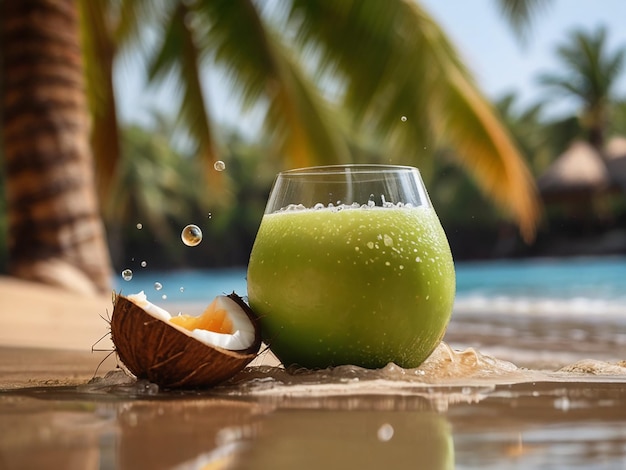
12. Cucumber Coconut Ginger Juice
I call this my natural electrolyte drink, it’s perfect for hot days. This one reminds me of a natural sports drink — hydrating and refreshing after a workout.
- Why it helps: Coconut water replaces electrolytes, cucumber cools you down, and ginger helps improve blood sugar control.
- Best time to drink: After workouts or on hot days.
- Pair with: A boiled egg or grilled salmon.
- Nutrition snapshot: ~50 calories | 11g carbs | Low GI
Read: Curb Sugar Cravings with Cucumber Coconut Ginger Juice: The Perfect Post-Lunch Pick-Me-Up
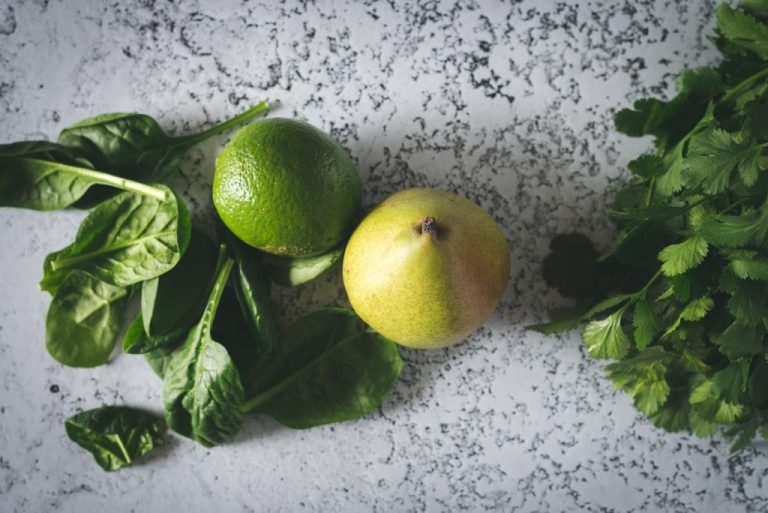
13. Pear Spinach Lemon Juice
I love the sweet-tart flavor — it wakes you right up.
- Why it helps: Pear provides fiber, spinach gives magnesium, lemon supports liver detox and vitamin C levels.
- Best time to drink: Morning or midday.
- Pair with: A handful of mixed nuts.
- Nutrition snapshot: ~70 calories | 15g carbs | Medium GI
Read: Stabilize Your Blood Sugar with Pear Spinach Lemon Juice: A Refreshing Drink for Men Over 30s
14. Kale Apple Ginger Juice
If I could only pick one juice to make weekly, it would be this one. This is a classic green juice and it’s one of my go-tos.
- Why it helps: Kale offers antioxidants, apple adds mild sweetness, and ginger keeps inflammation down while supporting digestion.
- Best time to drink: Post-workout or late morning.
- Pair with: Greek yogurt or cottage cheese.
- Nutrition snapshot: ~80 calories | 18g carbs | Medium GI
Read: Don’t Let Blood Sugar Spikes Ruin Your 40s! This Kale Apple Ginger Juice Can Help
Green Juices vs. Regular Fruit Juices
Here’s why green juices are smarter for diabetes:
- Green juices = Lower glycemic index, more fiber (if pulp is kept), richer in minerals like magnesium and potassium.
- Fruit juices = Higher sugar content, fewer nutrients per calorie, and more likely to spike blood sugar.
If you crave something fruity, use small portions of apple, pear, or orange — and balance it with greens and forever aloe vera juice.
When’s the Best Time to Drink Green Juice?
- Morning (fasting): Bitter melon or aloe blends — great for blood sugar control.
- Midday: Spinach or broccoli juices — to keep energy stable.
- After workout: Kale or orange-based juices — to help muscles recover.
- Evening: Cucumber or romaine-based juices to relax and cool down digestion — light and soothing before bed.
Takeaway
From bitter melon’s glucose-lowering effects to spinach and kale’s mineral power, these green juice recipes are a delicious, natural way to support healthy blood sugar.
The real secret? It’s not just what’s in the juice — it’s what you eat with it and when you drink it. Try one recipe this week, pair it with a protein-rich snack, and track how you feel. You might just find your energy more steadier, your sugar levels normal, and your mornings a little brighter.
References
- Hypoglycemic effect of bitter melon compared with metformin in newly diagnosed type 2 diabetes patients
- Published in: Journal of Ethnopharmacology. Volume 134, Issue 2, 24 March 2011, Pages 422-428
- Novel nutraceutic therapies for the treatment of metabolic syndrome
- Beneficial Role of Bitter Melon Supplementation in Obesity and Related Complications in Metabolic Syndrome