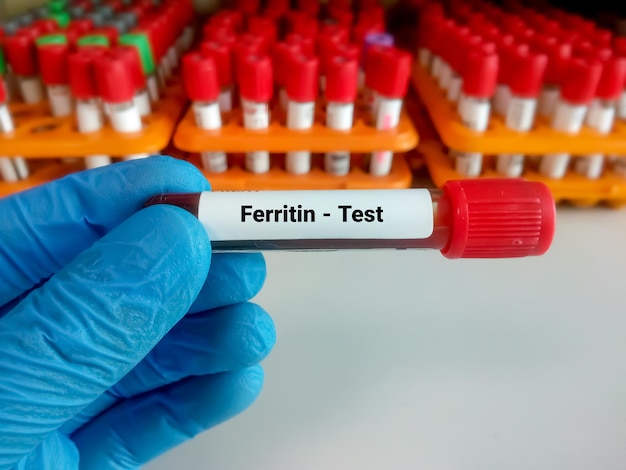
Why Your Blood Needs Oleic Acid (Know the Benefits)
Why Your Blood Needs Oleic Acid
Table of Contents
Oleic acid is an essential fatty acid that plays a key role in maintaining a healthy blood.
It helps to regulate cholesterol levels and is also necessary for digestion and nutrient absorption.
In this article, we’ll explore why oleic acid is important for your blood and how to get enough of it through food.
What is oleic acid and what does it do?
Oleic acid is a monounsaturated fatty acid that has an 18-carbon backbone with one double bond at the 9th position (18:1n9).
Oleic acid’s main dietary source is olive oil, and it is also available as a supplement.
Oleic acid is important in cell membrane fluidity and has attracted a lot of positive attention due to the amount of olive oil found.
The anti-inflammatory and immunomodulatory effects of oleic acid have been largely studied and found to be beneficial in many conditions such as:
- Cancer
- Inflammation
- Autoimmunity
- Cardiovascular disease
- Diabetes
- Wound healing
- Infection
Oleic acid can lower blood lipids mainly total cholesterol, bad cholesterol, and triglycerides.
Health functions of oleic acid
Oleic acid is the most common monounsaturated fatty acid in human cells and the blood.
A sufficient intake of oleic acid is important for:
- Cell membrane fluidity
- Hormone response
- Infectivity of pathogens
- Immune function
- Mineral transport
- Decreasing bad cholesterol
- Providing energy to cells
- Reducing inflammation
- Improving insulin sensitivity
Is oleic acid good for your blood?
Yes. Oleic acid has beneficial effects on our health and plays a positive role in maintaining blood cholesterol levels, inflammatory response, and insulin sensitivity.
Here are the reasons why your blood needs this essential fatty acid.
Cardiovascular disease
When consumed as part of a healthy diet, oleic acid can help to lower LDL cholesterol, also known as “bad” cholesterol.
High levels of LDL cholesterol can increase the risk of heart disease and stroke, so it is important to keep it within a healthy range.
Inflammatory response
Oleic acid has anti-inflammatory effects and helps to reduce the risk of heart disease, and cancer.
Diabetes
Some research suggests that oleic acid may help improve insulin sensitivity and may be beneficial for individuals with type 2 diabetes.
Energy
In addition to it’s potential health benefits, oleic acid is also a good source of energy. It is used by the body to produce energy and can help to support physical activity.
What foods provides oleic acid?
Dietary sources rich in oleic acid include:
- Canola oil
- Olive oil
- Avocado oil
- Almond oil
- Avocado
- Sunflower oil
- High oleic safflower oil
Are you getting enough oleic acid in your blood?
Most people get sufficient amounts of oleic acid from the foods they eat. Some people are likely to have problems getting enough oleic acid, including:
- People with low dietary intake of oleic acid foods
- People with low stearic acid
- People who lack vitamin and mineral cofactors for delta-9-desaturase
What happens if you don’t get enough oleic acid in your blood?
No deficiency symptoms are clearly defined for oleic acid since a dietary intake is not absolutely essential.
Oleic acid intake may be beneficial for reducing high blood cholesterol levels. A need for oleic acid may possibly reflect a need for omega-3 fatty acids.
What happens if you have too much oleic acid in your blood?
Oleic acid can be seen in diets high in olive oil, nuts, and seeds. Higher levels are beneficial to your health, and no studies has shown any side effects related to higher oleic acid intake.
How much oleic acid do you need?
The daily recommended intake (DRI) for oleic acid has not been established by the european health authorities yet.
However, the American Heart Association recommends that adults consume at least two servings of monounsaturated fats per day as part of a healthy diet.
Monounsaturated fats found in olive oil, avocado, nuts, and sunflower seeds contains oleic acid.
Is oleic acid harmful to the blood?
No. Oleic acid is not harmful, however, you should talk to your health care provider if you are taking any medication with oleic acid supplement.
Conclusion
Oleic acid is important for cell membrane fluidity, hormonal response, insulin sensitivity, mineral transport, reducing bad cholesterol in the blood and energy production.
Adequate intakes of oleic acid is found to be beneficial to our cardiovascular health, preventing diabetes, cancer, and a good source of energy for the body.
Extreme amounts of oleic acid in the blood has not shown any serious health problems, and no studies has concluded on oleic acid deficiency.
More studies are needed to fully understand the relationship between oleic acid and other factors linked to certain diseases.