Why Your Blood Needs CoQ10 (Know The Benefits)
Why Your Blood Needs CoQ10
Table of Contents
Coenzyme Q10, also known as CoQ10, is a vital nutrient that keeps our blood healthy. This antioxidant is found in small amounts in certain foods, but it can also be taken in supplement form.
In this blog post, we will talk about the benefits that CoQ10 provides, such as energy production in our cells, and protecting blood vessels.
So let’s delve into the details of why CoQ10 is essential for keeping your blood healthy.
What is CoQ10 and what does it do in the blood?
Coenzyme Q10 (CoQ10) is a nutrient that is found in every cell of the body. It is a coenzyme which helps enzymes in the body to function well.
CoQ10 is involved in the production of ATP in cells, the body’s main energy carrier.
It is also an antioxidant, meaning it protect cells from damage caused by harmful molecules known as free radicals.
In the blood, coenzyme Q10 keeps the cardiovascular system healthy by protecting the blood vessels from damage and inflammation, lowers blood pressure and improve circulation.
Benefits and functions of CoQ10
CoQ10 plays several roles in the blood and cardiovascular system. A sufficient intake of this nutrient helps to:
- Protect blood vessels
- Improve circulation
- Lower the risk of heart disease and stroke
- Maintain healthy cholesterol levels
- Improve the function of endothelial cells
- Prevent endothelial dysfunction
Is CoQ10 good for your blood?
Yes. Adequate intakes of CoQ10 from food and supplements are beneficial to your health. Here are the reasons why your blood needs CoQ10.
Cardiovascular health
A meta-analysis of clinical trials found that supplementing with CoQ10 may lower blood pressure, reduce the risk of cardiovascular diseases and improve heart function in individuals with heart failure.
Increases good cholesterol levels
A randomized, double-blind, placebo-controlled study found that CoQ10 supplementation reduced total cholesterol and LDL cholesterol levels in individuals with hypercholesterolemia.
Blood clotting
CoQ10 prevents the formation of blood clots. Some studies have suggested that CoQ10 may have a blood-thinning effect, potentially reducing the risk of blood clots.
Endothelial function
CoQ10 improves the function of endothelial cells, which line the blood vessels, regulates blood flow and blood pressure.
A number of studies have found that CoQ10 supplementation can improve endothelial function, which is important for maintaining healthy blood vessels.
Endothelial dysfunction
Low CoQ10 in the blood have been linked to endothelial dysfunction, which is a major risk factor for cardiovascular disease, taking CoQ10 supplement may reduce the risk of endothelial dysfunction.
What foods provides CoQ10?
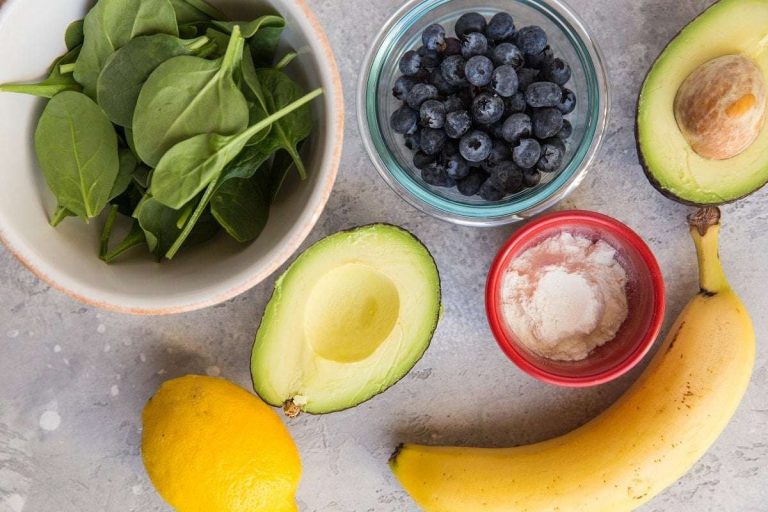
Coenzyme Q10 (CoQ10) is found in small amounts in a variety of foods, Here are some examples of foods that contain CoQ10:
- Meat
- Salmon
- Herring
- Brown rice
- Barley
- Broccoli
- Spinach
- Cauliflower
- Oranges
- Strawberries
Are CoQ10 supplements available?
Yes, CoQ10 supplements are available. They are often used to increase the levels of CoQ10 in the blood for those who may not be able to produce enough CoQ10 on their own.
One supplement is forever cardiohealth, it contains advanced heart-promoting ingredients, combined with vitamin B to help the basic functioning of cells, and supports the cardiovascular system.
Which groups of people don’t get enough CoQ10?
There are certain groups of people who may not get enough coenzyme Q10 from their diet or may have difficulty producing enough CoQ10 on their own:
- People taking statins
- People with heart disease
- People with diabetes
- People with Parkinson’s disease
- Elderly people
- Vegetarians and vegans
- People with nutrient deficiencies
Deficiency symptoms of CoQ10
Deficiencies in CoQ10 can lead to a variety of symptoms, which may include fatigue, muscle weakness, heart problems, and cognitive decline.
CoQ10 is good for oral health, a deficiency may be linked with periodontal disease, gingivitis, and tooth loss.
It’s worth noting that CoQ10 deficiency is relatively rare, as the body can produce the nutrient on it’s own and is found in some foods.
However, certain factors such as aging, medications, and medical conditions can increase the risk of deficiency.
How much CoQ10 do you need?
The recommended daily intake of CoQ10 varies depending on a person’s age and sex, as well as their specific dietary needs.
CoQ10 is not essential nutrient and there is no official recommended daily intake for it. However, some dietary supplement manufacturers recommend the following daily doses for these age groups:
- Infants 0-12 months: 3-5 mg
- Children 1-8 years: 10-30 mg
- Teens 9-18 years: 30-50 mg
- Adults: 30-200 mg
- Pregnant and breastfeeding women: Not established
Which medications interferes with CoQ10 in the blood?
Some medications can lower CoQ10 levels in the blood, examples include:
- Pravastatin
- Enalapril
- Ramipril
- Metoprolol
- Amitriptyline
- Imipramine
- Chlorpromazine
- Haloperidol
- Clozapine
- Warfarin
Is CoQ10 harmful to the blood?
CoQ10 is safe for most people when taken as a dietary supplement in recommended doses. However, as with any supplement, it can have side effects as well. High doses of CoQ10 can cause nausea, stomach upset, loss of appetite, diarrhea, and headaches.
Taking CoQ10 in combination with certain medications, such as blood thinners could increase the risk of bleeding.
More research is needed to fully understand the interactions between CoQ10 and blood-thinning medications.
Conclusion
CoQ10 is an essential component of mitochondria, the powerhouse of cells in the blood, and is necessary for producing energy in our bodies.
Adequate levels of CoQ10 in the blood can support cardiovascular health, blood pressure, blood sugar levels, and may even have anti-aging effects.
Dietary sources of CoQ10 can be found in leafy greens and whole grain foods, you can also get it from supplements. CoQ10 is beneficial for some people, especially those with heart related problems.
It is always important to consult with a doctor before taking CoQ10 supplement, especially if you are pregnant, breastfeeding, or taking any medications.
Related Post: Why Your Blood Needs Lycopene