Why Your Blood Is Thin and What You Can Do About It
Why Your Blood is Thin
Table of Contents
If you’ve ever wondered why your blood is thin, you’re not alone. Thin blood is caused by certain medical conditions and lifestyle choices.
In this blog post, we will discuss the causes of thin blood and the treatments available. We will also look at lifestyle changes that can help to improve your health and the thickness of your blood.
What Causes Thin Blood?
There are several factors that can cause thin blood, also known as hypocoagulability. These include:
- Medications. Taking too much blood thinners such as heparin and anti-inflammatory drugs like ibuprofen, can thin the blood and decrease the body’s ability to form blood clots.
- Nutrient deficiency. Vitamin and mineral deficiencies such as iron and vitamin K affect the body’s ability to produce blood clots and cause thin blood.
- Chronic conditions. Severe medical conditions, such as liver disease, kidney disease, and cancer, can affect the production of clotting factors and lead to thin blood.
- Genetic disorder. Some people have a genetic predisposition to thin blood due to inherited disorders of the clotting system.
- Low platelet count. When you have low platelets, your blood becomes thin. Normal platelets in the blood ranges between 150,000–450,000 per milliliter (mL). If platelets level falls below 150,000/mL, it indicates thin blood.
Symptoms of thin blood
The symptoms of thin blood may vary depending on the cause and severity of the condition. Some common symptoms of thin blood include:
- Easy bruising
- Excessive bleeding
- Bleeding gums
- Prolonged bleeding from cuts
- Blood in the urine
- Heavy menstrual periods
- Purple spots on the skin
What makes your blood thinner?
Your blood is made up of a mixture of cells, proteins, and other substances suspended in a liquid called plasma.
The thickness of your blood is determined by the amount of red blood cells and other substances.
There are several reasons why your blood may be thinner, and this may include:
Dehydration
When you are dehydrated, your body doesn’t have enough fluids, which can lead to a decrease in the volume of your blood. As a result, your blood becomes thicker and more viscous.
Anemia
A condition in which you don’t have enough hemoglobin, a protein that carries oxygen in your blood.
Anemia is caused by a variety of factors, including a deficiency in iron or other nutrients, bleeding, or certain medical conditions.
Drugs
Medications such as blood thinners are used to prevent blood clots from forming, which can help reduce the risk of heart attacks, strokes, and other serious health problems.
How Do I Treat Thin Blood?
There are several things you can do to help improve the thickness of your blood to the normal level. Here are some lifestyle changes that can help you restore it.
Stay hydrated
Drinking enough fluids can help increase the volume of your blood and improve it’s viscosity. Aim for at least 8 ounces of water per day.
Healthy well-balanced diet
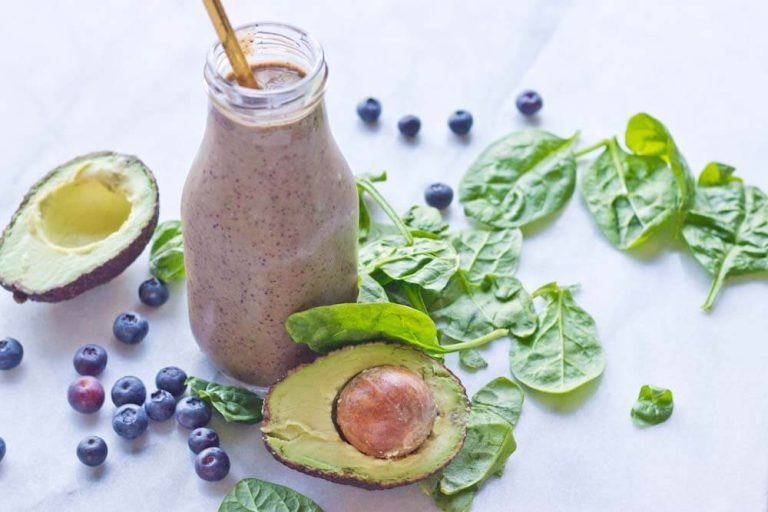
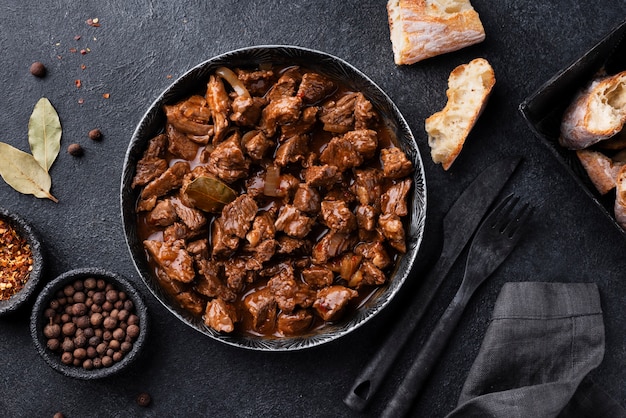
A diet rich in iron, folate, and vitamin K helps increase the production of red blood cells and improve the thickness of your blood.
Foods like red meat, poultry, beans, seafood, and leafy green vegetables are good sources of these nutrients.
Exercise regularly
Regular physical activity can help improve circulation and increase the production of red blood cells.
Your target should be at least 150 minutes of moderate-intensity aerobic activity per week.
Avoid smoking and excessive alcohol intake
Both smoking and excessive alcohol consumption can increase the risk of anemia and other conditions that can lead to thin blood.
Talk to your doctor
If you are taking medications that may be causing your blood to be thin, your healthcare provider may be able to switch you to a different medication.
Takeaway
There are many different factors that affects the thickness of a person’s blood, including genetics, age, diet, medication, and certain medical conditions.
However, if you are concerned about the thickness of your blood, consult a healthcare professional for proper diagnosis and treatment plan.
Depending on the cause your doctor may recommend lifestyle changes such as adjusting the diet, exercise routine, and prescribed medication to help improve the thickness of blood.
Related Post: Why Your Blood is Thick (6 Good Reasons)