16 Things to Avoid If You Have Hyperglycemia (High Blood Glucose Levels)
Living with hyperglycemia can be difficult, but learning how to take care of yourself first can help you stay healthier and live a happier life.
If you have hyperglycemia, it’s important to know what can affect your blood sugar levels and your health in general.
Hyperglycemia is when the body can’t control sugar properly due to insufficient amount of insulin. This problem occurs in people with diabetes, and other related conditions.
Managing hyperglycemia and the lifestyle choices you make every day plays a big role in keeping your blood glucose levels stable.
When it comes to managing high blood glucose levels, there are many things to keep in mind, such as what you eat and how you live your life.
Our list of 18 things to avoid will help you understand common mistakes to steer clear of, giving you confidence and all the knowledge on your journey.
By avoiding these triggers, you can lower the chances of blood sugar fluctuations, which can lead to better health.
Now, let’s talk about the 18 things you should avoid if you have hyperglycemia.
Things to Avoid If You Have Hyperglycemia
Table of Contents
If you have high glucose levels in your blood, avoid certain foods and behaviors that contributes to further spikes in blood sugar. Here are some things to avoid:
1. Sugary Foods and Beverages
To keep things simple, avoid eating foods that contains lots of sugar, and drinks like sodas, sweet candies, cookies, cakes, and desserts. These sugary treats can cause your blood sugar levels to rise quickly.
2. Refined Carbohydrates
Try to limit your consumption of white bread, white rice, pasta, and processed cereals. These foods quickly turn into sugar in your body, which can cause your blood sugar levels to go up.
3. High-Glycemic Index Foods
Certain foods can make your blood sugar levels rise quickly, these are foods with a high glycemic index (GI).
Avoid eating too much of white potatoes, dates, and white bread because they are high-GI foods. Instead, choose foods that have low glycemic index.
Examples of low-GI foods include whole grains, beans and lentils, and non-starchy vegetables.
4. Sugary Condiments and Sauces
Be careful with condiments and sauces that have extra sugar, such as ketchup, barbecue sauce, and sweet marinades.
Look at the labels and choose options without sugar.
5. Sweetened Beverages
Cut down on energy drinks, flavored coffees, sweet teas, and sugary sports drinks. Instead, go for water.
Drinking water daily keeps you hydrated, your blood sugar level is balanced, and no energy crashes.
6. Processed and Fast Foods
Processed and fast foods usually have lots of refined sugars, unhealthy fats, and refined carbs.
You should limit these foods because they can raise your blood sugar and cause other health problems.
7. Sedentary Lifestyle
Involving in a sedentary lifestyle like sitting and lying down too much, with very little to no exercise can build up more glucose in your body when it’s not used.
Actively engaging in regular exercise such as running, press ups, and squats, helps keep your blood sugar in check.
Avoid sitting around too much and try to include exercise in your daily routine.
8. Sweetened Breakfast Cereals
Many breakfast cereals are loaded with added sugars. Choose those that are sugar-free, or opt for whole grain cereals with no added sugars.
9. Dried Fruits
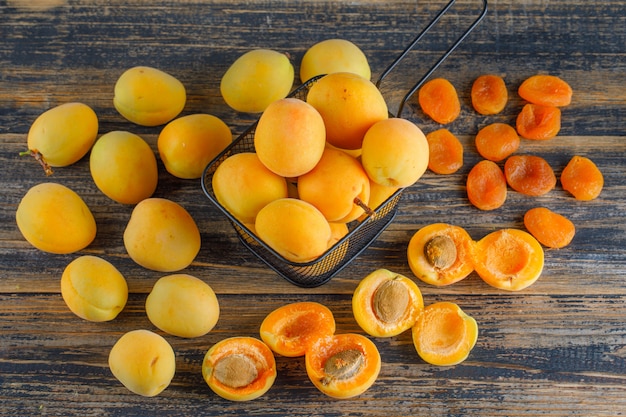
Although fruits are good for you, dried fruits contain higher amounts of natural sugars because the water is removed during the drying process.
So be mindful of how much dried fruit you eat. Try to limit dried fruits like raisins, dates, and apricots to keep your sugar level in check.
10. Sweetened Yogurts
When you buy flavored yogurt, it contains extra sugars added to make them taste sweet. It’s better to go for unsweetened yogurt instead.
Then, you can add berries if you want to add sweetness to it. That way, you have more control over how much sugar you consume.
11. Sweetened Coffee and Tea
When it comes to your coffee, be careful about adding sugar, flavored syrups, or sweetened creamers.
These things can make your drink higher in sugar and less healthy. It’s better to go for unsweetened versions.
By doing this, you can enjoy your coffee or tea without going overboard on sugar.
12. High-Fat Foods
Fats don’t affect your blood sugar directly, but eating too much fatty foods can make you gain weight, and your body will find it difficult to use insulin properly.
Try to have less of fried foods, fatty meats, whole-fat dairy, and unhealthy snacks with lots of fats.
13. Hidden Sugars
Pay attention to the sugars that are hidden in packaged foods like sauces, processed snacks and canned soups.
Read the food labels carefully and watch out for ingredients such as corn syrup, dextrose, fructose, and other sweeteners.
14. Stress
When you’re stressed, your body releases a stress hormone called cortisol, which causes an increase in blood sugar levels.
Implement stress-reducing techniques like meditation, deep breathing exercises, or engaging in hobbies and activities you enjoy.
15. Lack of Sleep
Not getting enough sleep makes it harder for your body to control blood sugar, this leads to insulin resistance. It’s important to try and get the right amount of sleep and make sure it’s good quality sleep.
This will help you stay healthy and keep your blood glucose levels in check.
16. Excessive Portion Sizes
Eating lots of foods high in carbohydrates elevates your blood sugar levels.
You should check your portion sizes and avoid overeating, when it comes to foods with lots of carbs. To prevent eating too much, it’s good to practice portion control and mindful eating.
This means being aware of how much you’re eating and paying attention to your body’s signals of hunger and fullness.
Takeaway
When you have high blood sugar levels and want to live well with this condition, you need to take some steps and make changes to your lifestyle.
You can do things like avoiding sugary foods, refined carbs, and high-glycemic index foods, while opting for low-GI foods.
Lifestyle choices such as regular exercise, reducing stress, and sleeping are good for managing high blood sugar levels.
Practicing portion control and mindful eating is also recommended to prevent overeating, this helps keep your blood sugar levels healthy.
Applying these effective strategies can help reduce the risks, so that you can have better control over your condition.