Differences Between Ferritin and Hemoglobin (& How to Maintain Healthy Levels)
What Are The Differences Between Ferritin and Hemoglobin?
Table of Contents
Ferritin and hemoglobin are two vital parts of your blood, they perform different roles in your body.
Understanding how they work can help you take better care of your health, especially if you’re dealing with issues like fatigue and anemia.
In this post, we’ll explain what ferritin and hemoglobin are, why they’re important, and how you can keep them at healthy levels.
What is Ferritin?
Ferritin is like your body’s iron storage reserve. It holds extra iron and releases it when your body needs it.
Most of your ferritin is stored in places like your liver, spleen, and bone marrow, but a small amount is found in your blood.
What Does Ferritin Do?
- Stores Iron: Think of ferritin as a safety net, keeping iron ready for when your body needs it.
- Reflects Iron Levels: A blood test can measure ferritin to show how much iron your body has in reserve.
What Do Ferritin Levels Tell Us?
- Low Ferritin: Means your body doesn’t have enough stored iron, which can cause tiredness or lead to anemia.
- High Ferritin: Could mean your body has too much iron or is dealing with inflammation.
What is Hemoglobin?
Hemoglobin is a protein in your red blood cells that carries oxygen from your lungs to the rest of your body.
It helps bring carbon dioxide back to your lungs so you can breathe it out.
What Does Hemoglobin Do?
- Carries Oxygen: Hemoglobin (HB) transport oxygen to your muscles and organs.
- Removes Waste: It also picks up carbon dioxide, a waste product, and takes it back to your lungs.
What Do Hemoglobin Levels Tell Us?
- Low Hemoglobin: May mean you have anemia, which can make you feel tired and weak.
- High Hemoglobin: Can happen if you’re dehydrated or living at high altitudes.
Ferritin vs Hemoglobin: What’s the Difference?
Ferritin and hemoglobin are two essential proteins, and they perform different roles in your body. Here’s how they differ:
Functions:
- Ferritin. Stores and regulates iron in the body.
- Hemoglobin. Transports oxygen from lungs to tissues and removes carbon dioxide.
Structure:
- Ferritin. A protein shell that stores iron in the form of ferric hydroxide.
- Hemoglobin. A protein composed of globin and heme, with iron at its core.
Location:
- Ferritin. Found in various tissues, including the liver, spleen, and bone marrow.
- Hemoglobin. Exclusively found in red blood cells.
Normal Ranges:
- Ferritin: 20-250 ng/mL (adult men), 10-150 ng/mL (adult women).
- Hemoglobin: 13.5-17.5 g/dL (adult men), 12-16 g/dL (adult women).
Abnormal Levels:
- Low Ferritin. Iron deficiency anemia, chronic bleeding.
- High Ferritin. Iron overload, hemochromatosis, inflammation.
- Low Hemoglobin. Anemia, blood loss.
- High Hemoglobin. Polycythemia, dehydration.
Relationship:
- Ferritin and Hemoglobin. Ferritin stores iron, which is then used to produce hemoglobin. Low ferritin levels can lead to low hemoglobin levels.
Why Both Ferritin and Hemoglobin Matter
Ferritin and hemoglobin work together to keep you healthy. Ferritin makes sure that your body has more iron (Fe) to produce hemoglobin.
If your ferritin level is low, your body can’t make enough hemoglobin, which leads to anemia.
Here are some common scenarios:
- Low Ferritin, Normal Hemoglobin: Early signs of iron deficiency.
- Low Ferritin, Low Hemoglobin: Severe iron deficiency anemia.
- High Ferritin, Normal Hemoglobin: This could mean your body has too much iron, or it might be responding to inflammation.
Checking Your Ferritin and HB Levels, Is it Necessary?
Testing your ferritin and hemoglobin (HB) levels is simple, it gives you a clear picture of how healthy your blood is.
Ferritin Test:
- A simple blood test that measures how much iron your body has stored.
- Helps diagnose iron deficiency or conditions like iron overload.
Hemoglobin Test:
- Part of a complete blood count test that checks your hemoglobin levels.
- Helps determine if you have anemia or if your blood is carrying enough oxygen.
So, How Do You Maintain Healthy Ferritin and Hemoglobin Levels?
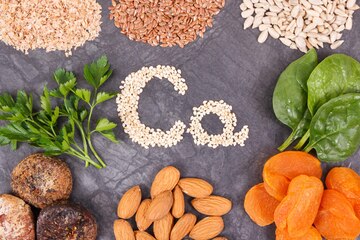
For Ferritin. Eat iron-rich foods like beans, spinach, lentils, and beef. Pair iron-rich foods with vitamin C sources like oranges or bell peppers, and don’t overload on iron supplements.
For Hemoglobin. Eat foods rich in iron, folate, and vitamin B12, like eggs, beans, and leafy greens. Drink plenty of water to keep your blood volume healthy, and avoid smoking—It lowers oxygen levels in your blood, which reduces hemoglobin performance.
Takeaway
Ferritin and hemoglobin are both vital for keeping your body healthy. While ferritin stores iron, hemoglobin uses it to deliver oxygen.
Understanding their differences—and how they work together—can help you stay on top of your health.
If you’re feeling tired, weak, or suspect you have a blood issue, check your ferritin and hemoglobin levels.
With the right foods, lifestyle, and medical guidance, you can easily keep a healthy balance and feel your best.