Fatigue, Paleness, & More: 7 Signs of Low HB and What to Do About it
Learn the Signs of Low HB, and What to Do About It
Table of Contents
In the hustle and bustle of our daily lives, it’s easy to overlook some little signs that our bodies might be telling us. One such crucial aspect is our hemoglobin levels.
Ever felt like you’re running low on energy, or noticed your skin is looking a bit paler than usual? Your body may be trying to tell you something about its hemoglobin levels.
In this blog article, we’re looking into the everyday signs that your body may be low in hemoglobin levels – we’ll talk about the signs that suggest your blood might be craving for iron to boost its hemoglobin levels, and more importantly, give you a few practical steps on what to do about it.
Ready to feel energized and refreshed?
Grab a comfy seat, we’ll give you tips to help you regain your energy and get that rosy glow back in your cheeks.
But first of all, you need to understand iron deficiency and how it occurs in the body. So let’s begin!.
What is Iron Deficiency and How Does it Occur in Your Body?
Iron deficiency is a state where your body doesn’t have enough iron stores to make red blood cells and hemoglobin.
How it occurs:
There are two ways iron deficiency can happen:
- Poor iron intake. Your body gets iron from foods rich in iron, like red meat, poultry, seafood, beans, lentils, fortified cereals, and dark leafy greens. If you don’t eat these foods, your body might not get the right amount of iron it needs. This is common in vegetarians and vegans who don’t eat meat, or people with restrictive diets.
- Increased iron loss. Even if you get enough iron from your diet, you can still become iron deficient if you lose too much iron. This can happen through:
- Blood loss. Heavy menstrual periods, chronic bleeding conditions like ulcers, or frequent blood donations.
- Pregnancy. During pregnancy, the body needs more iron for both the mother and baby. If the mother’s iron intake is not sufficient, she can become iron deficient.
- Poor absorption. Medical conditions like celiac disease, Crohn’s disease, or gastric bypass surgery also affect how your body absorbs iron from food.
After all these things happen, your body begins to show signs of low hemoglobin.
Some common symptoms include:
- Fatigue and tiredness
- Pale skin
- Shortness of breath
- Dizziness
- Headaches
- Cold hands and feet
- Brittle nails
- Hair loss
Here’s a short summary of the points:
- Iron deficiency is more prevalent than we might think, affecting people of all ages.
- It occurs when the body doesn’t have enough iron to produce more red blood cells.
- Everyday causes, such as a lack of iron in the diet or difficulty with iron absorption.
7 Signs of Low HB
When your hemoglobin level is low, it can show up in many different ways. Here are ten signs to watch out for.
1. Fatigue that Lingers
Ever experienced days when the simplest tasks feel like climbing a mountain?
Fatigue is the first sign that shows when your body is having low hemoglobin levels. If you find yourself reaching for an extra cup of coffee just to make it through the day, check your hemoglobin first.
2. Pale Skin that Speaks Volumes
Have you noticed paleness in your skin that doesn’t seem to fade away? This could be another sign.
Hemoglobin gives blood its red color, and when there’s a shortage of iron, it results in paler skin tones.
Checking the inside of your lower eyelids – if they appear less red than usual, it is time to pay attention to your iron intake.
3. Shortness of Breath
Do you find yourself catching your breath after climbing just a few stairs? When iron is in short supply, your hemoglobin becomes deficient of oxygen so it’s not able to reach the muscles and tissues.
This results in increased short breaths even during light physical activity.
If your usual activities leaves you gasping for air, it could be a sign that your body needs iron to produce more hemoglobin for better breathing. Just take a moment to think about how iron affect the way you breathe.
4. Rapid Heart Beat
Your heart works harder to compensate for the lack of oxygen. This increased effort leads to faster heartbeat. You may notice a pounding heart, even when you’re resting.
5. Difficulty Concentrating
Reduced oxygen supply to your brain can impair cognitive function. If you ever find yourself struggling to concentrate, feeling mentally foggy, or experiencing memory lapses, low hemoglobin levels could be a contributing factor.
6. Headaches
A lack of oxygen can affect blood flow to your brain, leading to headaches. It can range from mild to severe and may be accompanied by symptoms like nausea or sensitivity to light.
7. Cold Hands and Feet
Do you find your extremities feeling cold? Low hemoglobin levels affect blood flow, leading to cold hands and feet. Since iron is essential for oxygen (O2) transport, low levels results in reduced blood flow to extremities, leaving you with a perpetual chill in your hands and feet.
What to Do About It
Now that we know these signs that your body might be signaling low hemoglobin, let’s figure out some steps to address and prevent shortage of hemoglobin.
Eating Iron-Rich Foods: Incorporate iron-rich foods into your diet, and consume them alongside vitamin C-rich foods, this enhances iron absorption. Here are a list of foods with high iron (heme iron) content per serving:
- Beef liver (3 oz) – 3.24 mg
- Oysters (3 oz) – 2.49 mg
- Canned sardines (3.75 oz) – 1.2 mg
- Beef chuck roast (3 oz) – 2.7 mg
- Lamb leg (3 oz) – 2.1 mg
- Chicken thigh (3 oz) – 0.8 mg
- Turkey drumstick (3 oz) – 0.7 mg
- 2 large eggs – 0.6 mg
Supplements: If dietary changes alone aren’t enough, consider iron supplements:
-
Lactoferrin (200mg): Supports iron level balance and the immune system. High dosage with 200 mg of lactoferrin per capsule, and its made from 100% fresh swiss alpine milk.
-
Iron Blood Builder (180 tablets): MegaFood Blood Builder is shown in an 8-week clinical study to increase iron levels in individuals with low iron, without causing nausea or constipation. Real foods like beets and oranges are added, with key nutrients like folate, iron and B12, that help to improve energy levels and combat fatigue. Vitamin C is included to support iron absorption.
-
Floravital Iron + Herbs, 23 fl oz (700 ml): This liquid herbal supplement is a yeast-free, gluten-free, and vegan alternative to Floradix liquid iron supplement, which is the best-selling natural liquid iron supplement in the U.S. today. Containing nutritional iron in a gentle-to-digest and easily absorbed formula with vitamin C, essential B complex vitamins, and herbal extracts to help you live your best life.
-
Floradix Iron + Herbs, 120 Liquid Phyto-Caps: This Floradix Iron + Herbs extension is different from other iron offerings as it combines a clinically studied iron form, Ferrochel, in a liquid phyto-capsule along with herbs traditionally used to support healthy blood and blood flow.
Blood Tests: You can do iron profile tests to check your iron levels. The iron profile test includes:
- TIBC (total iron binding capacity)
- Serum iron test
- Ferritin test
- Transferrin saturation test
- Anemia test
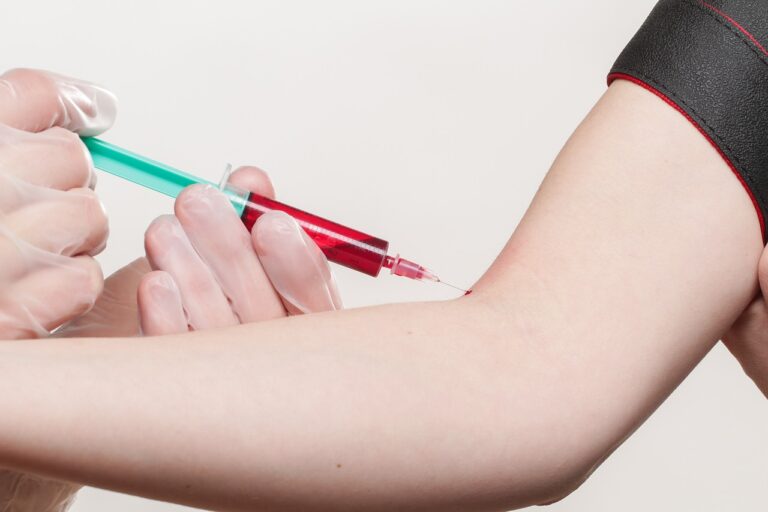
You can also add complete blood count (CBC). This could also tell you whether your red cell count (RBC count) is normal, as well as other blood parameters like hemoglobin.
If your RBC count and hemoglobin levels are low (they fall out of the normal range), this could be a sign of iron deficiency anemia.
Want to do all the lab tests above? Go to healthlabs now!
Wrapping Up
Our body has an remarkable way of communicating to us, paying attention to these little signs can make a significant difference in our health and well-being.
If you notice any of these signs, run some tests to check your iron and hemoglobin levels.
Addressing these issues involves dietary changes, supplements, or other medical interventions, all aimed at restoring the balance that keeps our body functioning at their best.
So take your time to listen to what your body is telling you, it is a powerful step towards a healthier and more vibrant life.