6 Reasons Why Your Body Needs Zinc (& How to Boost It)
Why Your Body Needs Zinc (and How to Boost it)
Table of Contents
Did you know how much zinc is in your body? It’s a lot. Most people don’t get enough of this nutrient because they’re not eating the right foods. Research has found that one in five people have low levels of zinc.
Some people are likely to be deficient in zinc if they’re dieting, expecting a baby, breastfeeding, on a vegan diet, or if they have; a celiac disease, Crohn’s disease, type 2 diabetes, alcoholic liver disease, and chronic pancreatitis.
Zinc is one of those minerals that doesn’t usually make headlines, but it’s quietly doing some of the most important work in your body.
From strengthening your immune system to supporting the production of vital cells in the blood, zinc is essential for keeping the body healthy.
Yet, many people aren’t aware of just how critical zinc is, especially when it comes to blood health.
In this blog post, we’ll talk about why your body needs zinc, signs that you might be running low, and ways to boost your zinc levels naturally.
Whether you’re looking to improve your energy, strengthen your immune system, or just understand more about how your body works, you’ll find valuable insights here.
What is Zinc and What Does it Do in The Body?
Zinc is a vital micronutrient that is found abundantly in the human body. It helps the body to make new cells and enzymes.
Even though you only need a little bit of zinc, it also acts as a catalyst for over 300 enzymatic reactions in your body, working in different physiological processes that keeps your body functioning well.
Zinc is needed for certain functions and biochemical processes, including:
- Activating and catalyzing enzymes
- Helps in the production and activation of immune cells to fight off infections
- Supporting cell division, making DNA, and protein synthesis, which are important for the growth and repair of tissues, bones, and muscles
Although zinc is found in several foods, it’s absorption is poor. This is because zinc is not easily soluble in water and is therefore not readily available to the body.
In addition, zinc availability may be further limited by phytate and calcium.
For this reason, include foods that are rich in bioavailable forms of zinc into your diet.
Reasons Why Your Body Needs Zinc
Zinc has several incredible benefits, and here are some of the reasons why your body needs this nutrient:
1. Red Blood Cell Production
Zinc is an essential mineral for making red blood cells in the body. It helps produce hemoglobin (HB), the protein that binds and transports oxygen.
Low zinc levels can affect red blood cell production, resulting in reduced oxygen-carrying ability and health problems.
2. Keeps Hemoglobin Levels Balanced
Zinc ensures that there’s good amount of hemoglobin in your blood, this facilitates the movement of oxygen (O2) to all parts of your body.
To stay healthy and avoid anemia, you should eat enough zinc to help the blood circulate properly throughout your body.
3. Anemia
Zinc deficiency is linked with different types of anemia, such as iron deficiency and sideroblastic anemia. When your zinc levels are low, the body’s ability to use iron to make red blood cells is affected.
As a result, hemoglobin levels decrease and oxygen transport is impaired, causing symptoms like fatigue, weakness, and anemia-related symptoms.
4. Blood Clotting and Cardiovascular Health
Zinc is good for blood clotting, which prevents excessive bleeding and helps heal wounds.
It activates platelets and clotting factors, by making sure that there’s coagulation after injury.
In addition, zinc supports heart health by strengthening your blood vessels and making them flexible, helping to regulate blood pressure and circulation.
5. Hormonal Balance
Zinc is responsible for the production of hormones. It creates different hormones such as testosterone, thyroid, and insulin.
Having the right amount of zinc is key to keeping your hormones balanced, which leads to more energy, a stable mood, and feeling healthy.
6. Boosting Immune System
The body’s immune system needs zinc to do it’s job. White blood cells, which fights infection, contain large amounts of zinc.
When you don’t have enough zinc, your white blood cells can’t function well, and you’re more likely to get infections.
How to Boost Zinc Levels
One of the best ways to boost zinc levels naturally is through diet. Adding zinc-rich foods into your meals increases your zinc levels.
Example, a serving of oysters gives you more zinc than the daily recommended amount, pumpkin seeds are also a great plant-based source of zinc.
You can get the recommended amounts of zinc by eating these foods listed below, based on a 100g serving:
- Oysters: 74.1mg
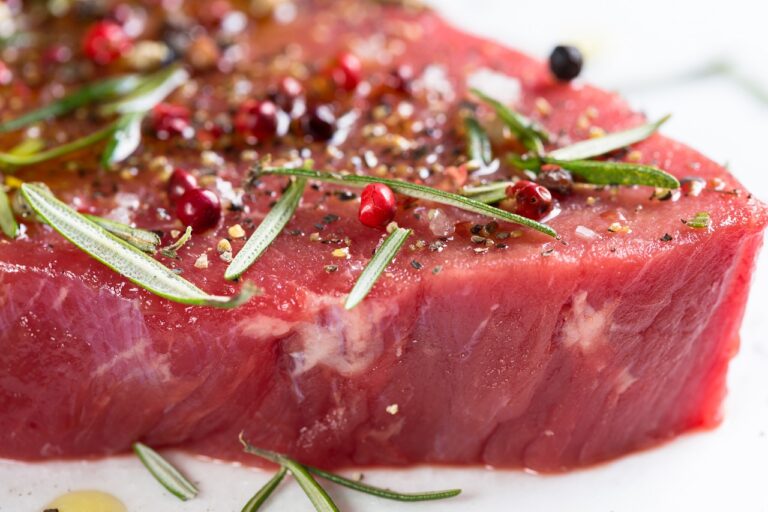
- Red meat (beef): 4.4mg
- Crab: 3.5mg
- Lobster: 3.3mg
- Chicken: 2.5mg
- Lentils: 3.7mg
- Beans: 1.5-2.5mg
- Cashew: 2.2mg
- Tofu: 0.6mg
Just six oysters provide more than 500% of the reference daily intake (RDI) of zinc.
Bear in mind that the RDI of zinc varies based on age and gender. For adults and old age, the RDA (recommended dietary allowance) ranges from 8 mg to 11 mg, depending on gender.
If you’re incorporating foods that are rich in zinc into your diet, make sure you’re meeting your daily zinc needs to support your health.
The amount of zinc you need each day depends on your age and specific needs.
Here are the recommended daily intake of zinc for different age groups:
- Birth to 6 months: 2mg
- Infants 7–12 months: 3mg
- Children 1–3 years: 3mg
- Children 4–8 years: 5mg
- Children 9–13 years: 8mg
- Teens 14+years: 9mg–11mg
- Adults: 8mg–11mg
- Pregnant teens: 12mg
- Pregnant women: 11mg
- Breastfeeding teens: 13mg
- Breastfeeding women: 12mg
Boosting Zinc Levels with Supplement
For some people, getting zinc from food is the best option for them, but for many, zinc supplements are a convenient and effective way of meeting their nutritional needs.
This is important if you have restrictions on your diet or there’s a health condition that makes it difficult for your body to absorb zinc from food.
Certain zinc supplements come in various forms such as zinc gluconate, zinc citrate, zinc acetate, and zinc picolinate. All these supplements keeps your blood cells and immune system healthy.
Just imagine feeling more energetic and having a stronger immune system by just simply adding a good zinc supplement to your daily routine.
When choosing a zinc supplement, make sure it’s the right amount for you and that your body can absorb it well.
Look for a brand that is known for quality and has good reviews, so you can trust what you’re buying.
Where to buy the best zinc supplements?
If you want to buy zinc supplements, don’t worry, we got you covered. Here are some of the best ones we’ve selected for you:
Zinc and Selenium Complex FORTE
- Highly dosed formula with 15 mg zinc and 100 µg selenium
- Optimized with the co-factors vitamin C, B6 and biotin
- In the ideal ratio for a holistic effect
- For synergistic support of the immune system
- For comprehensive protection against oxidative stress
Zinc Complex 25 mg (120 capsules)
- Highly dosed with 25 mg of elemental zinc per capsule
- 9 synergistic zinc sources in the ideal ratio
- With added vitamin C for optimum bioavailability
- To support the immune system and metabolism
- To protect cells from oxidative stress
If you’re struggling with sleep, recovery, and tough workouts, your body might be deficient in zinc and magnesium.
Many of us don’t get enough of these mineral nutrients from diet alone, right?
Here’s where Zinc Bisglycinate comes in:
- Zinc Bisglycinate: This gentle, high-absorption form of zinc supports a healthy immune system, testosterone production, and wound healing.
Why Choose Zinc Bisglycinate Supplement?
- High-quality ingredients: Only the best and most bioavailable forms of zinc and magnesium are used.
- Easy to swallow: No more chalky aftertaste.
- Trusted brand: Committed to providing effective and safe supplements. Ready to experience the benefits of optimal zinc and magnesium levels? Get your high-quality zinc bisglycinate supplement today.
What Causes Zinc Deficiency?
Several factors can contribute to zinc deficiency, including:
- Not getting enough zinc from food
- Kidney disease
- Chronic diarrhea
- Alcoholism
- Medications; such as hydrochlorothiazide, omeprazole and famotidine.
Vegetarians and vegans may also be at higher risk of zinc deficiency since plant-based sources of zinc are not as readily absorbed by the body.
Side Effects of Taking Too Much Zinc
Taking high amounts of zinc supplement can be harmful. Signs of high zinc levels include nausea, vomiting, loss of appetite, stomach cramps, headache, and diarrhea.
When you take high-doses of zinc for a long time, you’ll see signs like low copper levels, lower immunity, and low levels of HDL cholesterol.
The tolerable upper intake level (UL) of zinc for adults 19 years and older is about 40 milligrams (mg) per day.
Takeaway
Zinc is a mineral that can be obtained from beverages, dairy, and supplements.
Zinc helps facilitates enzymatic reactions, cell development, repair, healing, protein binding and interaction, and boosting the body’s immune system to fight infections.
Daily intake of zinc from supplement and diet should be in moderate quantities, and must not exceed the upper limits.